
This page may contain affiliate links; you can read our full disclosure.
Most survival advice online assumes you planned ahead. You packed the perfect kit. You bought the right gear. You watched the right YouTube channel.
Real life doesn’t work like that.
Real survival situations happen when:
- Something breaks
- Weather turns faster than expected
- You’re underprepared, tired, cold, or wet
- You’re stuck making do with whatever junk happens to be around
I’ve been camping long enough to know this truth: improvisation beats gear every time. So here are seven survival hacks I’ve personally used or tested — built around ordinary items people already carry, ignore, or forget about.
No fantasy scenarios. No movie nonsense. Just stuff that actually works.
1. Trash Bags = Emergency Shelter, Insulation, and Water Protection
If I could only add one “random” item to every pack, it’d be a heavy-duty trash bag.
Not because it’s fancy — because it does three critical jobs.
Emergency Shelter
Cut a head hole, tear arm holes, and you’ve got:
- A rain shell
- A wind barrier
- A heat trap
Slip it under your jacket and your core temperature stays up dramatically in wind and rain.
Ground Insulation
Lay it flat under your torso when sleeping:
- Keeps moisture off
- Blocks heat loss to the ground
- Makes leaves or pine needles actually useful
Water Protection
- Line your pack
- Wrap electronics
- Collect rainwater by weighting the center
I’ve used trash bags during surprise storms more times than I can count. They’re ugly. They’re loud. They work.
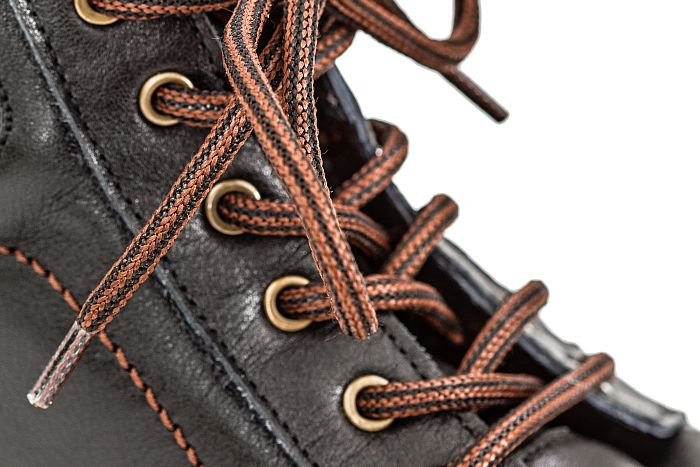
2. Shoelaces Are Stronger Than You Think (And Way More Useful)
People underestimate shoelaces because they’re always there.
That’s exactly why they matter.
Uses I’ve Personally Used
- Broken pack strap repair
- Emergency tarp tie-down
- Firewood bundle carrier
- Splint tie for fingers and wrists
- Replacing snapped boot laces
Survival Bonus
- Braided nylon
- Shock-resistant
- Stronger than cheap paracord knockoffs
If you carry spare boots or hiking shoes, that’s four lengths of cord you didn’t have to pack.
3. Aluminum Cans Can Become Tools, Not Trash
Empty drink cans are surprisingly useful when things go sideways.
Emergency Cooking Cup
Rinse it, crush the top edge smooth, and you can:
- Boil water
- Heat soup
- Melt snow
Set it near coals, not directly in flame.
Cutting Tool
- Create a sharp scraping edge
- Shave tinder or cut cord in a pinch
Signal Reflector
- Flash sunlight
- Reflect firelight
- Attract attention
Survival tools don’t have to look tactical. They just have to work.
4. Lip Balm Isn’t Just for Lips
Lip balm is one of the sneakiest multi-use items out there.
Fire Starter
- Coat cotton
- Rub into dry grass
- Smear on paper
It burns longer and hotter than you’d expect.
Skin Protection
- Prevents cracked skin in cold
- Seals small cuts temporarily
- Reduces friction hot spots before blisters form
Gear Maintenance
- Lubricates zippers
- Protects metal short-term
- Keeps plastic from sticking in freezing temps
I keep lip balm in my pack year-round because it earns its weight.
5. Duct Tape Fixes More Than Gear — It Fixes You
Duct tape belongs in every survival discussion.
Medical Uses
- Blister prevention
- Securing bandages
- Temporary wound closure
- Splint reinforcement
Gear Repair
- Tent tears
- Jacket rips
- Broken straps
- Leaking water bottles
Wrap duct tape around a trekking pole or lighter before a trip. You’ll always have it.
6. A Bandana Is a Survival Swiss Army Knife
Water Pre-Filter
- Strain debris
- Catch sediment
- Protect purification methods
Sun and Cold Protection
- Neck wrap
- Face covering
- Sweat control
Emergency Uses
- Sling for injured arm
- Pressure bandage
- Tourniquet (last resort)
7. Your Phone Is a Survival Tool — If You Use It Right
Offline Uses
- Compass
- Flashlight
- Trail marking camera
- Stored maps
Battery Preservation
- Airplane mode
- Dim screen
- Kill background apps
- Use text over calls
Final Thought: Survival Is a Mindset
Most problems can be solved with what you already have if you stop waiting for perfect conditions.
Survival favors the person who can think clearly with limited tools — not the one who packed the most gear.
That mindset keeps you warm, dry, and moving forward when things go sideways.
