
This page may contain affiliate links; you can read our full disclosure.
Believe it or not, you can survive on insects for weeks — maybe even months — if you absolutely have to. Bugs aren’t just last-resort Bear Grylls snacks. They’re packed with protein, fat, and micronutrients. That said, they’re not a perfect long-term food source, and some survival realities catch up fast.
Here’s the real breakdown of how long you can live on bugs — and what eventually works against you.
The Short Answer
You can survive on insects alone for several weeks to a few months, depending on:
- The types of insects available
- How much you can gather each day
- Whether you have consistent water
- Your overall health going in
Insects provide calories — just not enough of everything you need to thrive long-term.
What Insects Actually Provide
Most edible insects offer:
High Protein
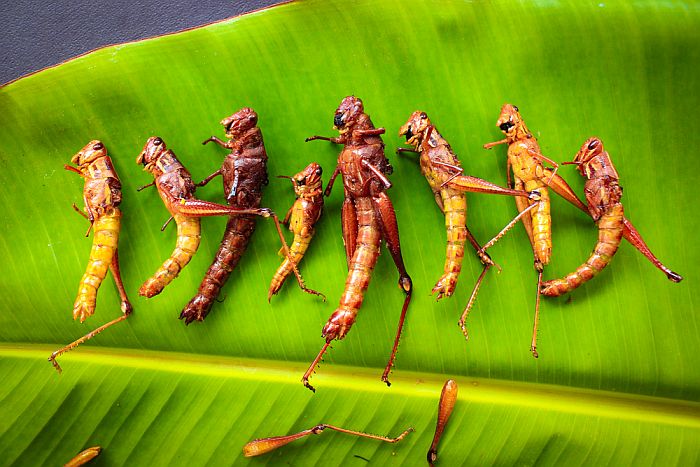
Grasshoppers, crickets, and larvae often contain 40–70% protein by dry weight.
Good Fats
Grubs like mealworms provide valuable fat — which matters because fat is the hardest wilderness macronutrient to find.
Micronutrients
Iron, zinc, calcium, and B vitamins are all present in insects.
If the world ended tomorrow, you could absolutely keep yourself alive by eating bugs.
What Insects Don’t Provide Long-Term
Enough Calories
You’d need to eat a massive volume of insects to hit 2,000–3,000 calories a day.
- One grasshopper ≈ 5 calories
- One cricket ≈ 1 calorie
You’re basically doing CrossFit just to stay fed.
Enough Fat (Depending on the Insect)
Lean insects offer great protein, but protein alone leads to rabbit starvation. Your body must have fat.
Complete Micronutrient Coverage
Close — but not perfect.
Psychological Sustainability
Eventually your brain taps out and says, “I’m done. Bring me something that doesn’t chirp.”
Which Insects Are Best for Survival?
High-Calorie Options
- Grubs (mealworms, waxworms, palm weevil larvae) — fatty and the MVPs of survival insects
- Termites — surprisingly nutritious
- Ant larvae — excellent fat and calorie density
High-Protein Options
- Crickets
- Grasshoppers
- Locusts
- Adult beetles (less fat, more protein)
Avoid These
- Brightly colored insects
- Furry or spiky insects
- Fireflies (toxic)
- Centipedes (venomous)
- Unknown aquatic insects
Rule of thumb: If it looks like it wants to ruin your day, don’t eat it.
How Long Could You Realistically Last?
1–2 Weeks
Easy. Hunger wins, your brain adapts, and insects keep you alive.
3–6 Weeks
Still doable, especially if you find fatty grubs or combine insects with plants or fish.
2–3 Months
Possible, but only if:
- You have consistent water
- You find enough fat-rich insects
- You avoid major nutrient deficiencies
Your biggest enemy isn’t the bugs — it’s the effort required to collect enough every single day.
Beyond 3 Months
Malnutrition starts creeping in:
- Vitamin deficiencies
- Electrolyte imbalances
- Loss of body fat reserves
- Muscle breakdown
You’d survive, but you’d be running on fumes.
Combining Insects With Other Wild Foods Improves Survival
Add in:
- Fish
- Small game
- Nuts
- Edible wild plants
- Roots and tubers
Now you’re building a real survival diet that could last many months.
Insects are supplemental nutrition — extremely valuable, but best used as part of a bigger strategy.
Final Takeaway
You can survive on insects for a surprisingly long time — weeks to months — but it’s not a perfect long-term diet. Calories are hard to come by, and gathering enough food becomes exhausting.
If you’re stranded, bugs are absolutely worth eating. Just don’t plan on living like that forever unless a rescue helicopter is scheduled for next season.
