
This page may contain affiliate links; you can read our full disclosure.
When you’re out in the wild, nothing matters more than clean water. You can push through sore legs, tired feet, and a long uphill climb, but dehydration will shut you down fast. The tricky part is that natural water, no matter how clear it looks, can still carry bacteria, parasites, or viruses that turn a good trip into a miserable one. Even fresh-looking mountain streams aren’t guaranteed safe. That’s why knowing how to purify water in the wild isn’t just a survival skill — it’s something every hiker and camper should understand.
Purifying water isn’t complicated. You don’t need to drink out of puddles with heroic intensity or rely on questionable TikTok hacks. You just need a method that fits your situation and the gear you have on hand. Whether you’re using a stove, a filter, chemicals, sunlight, or improvising with nothing but your wits, there’s always a way to make water safe. Here’s how purification actually works and how to choose the right approach every time.
Start by Choosing the Cleanest Source You Can
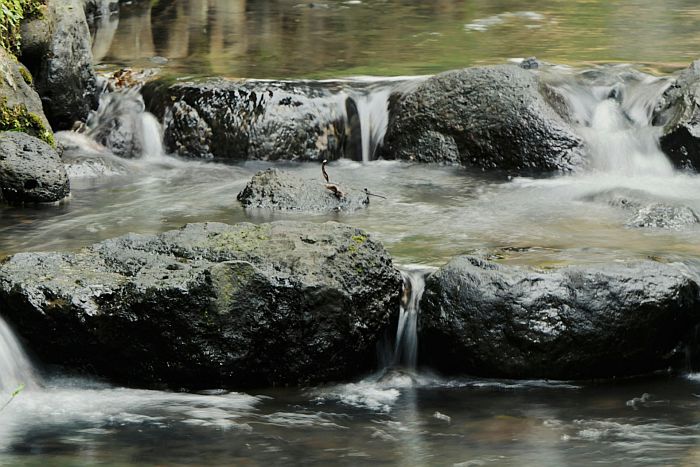
Before you purify anything, it makes a huge difference to choose the cleanest available water. Clear, flowing water is always better than stagnant ponds or muddy pools. A shallow creek running over rocks is ideal because moving water stays oxygenated and tends to hold fewer contaminants. Anything with algae, scum, or a strange smell is worth skipping unless you have no other choice.
Boiling: The Most Reliable Method You Can Use
Boiling water is the classic, foolproof method of purification. As long as the water reaches a rolling boil, harmful microorganisms like bacteria, protozoa, and viruses are destroyed. One minute at a rolling boil is enough at lower elevations; in high mountains, three minutes is safer.
Boiling is dependable because there’s no guesswork. The downside is that it requires fuel, time, and a pot. Boiled water may still look cloudy if the source wasn’t pristine — that’s where filtration shines.
Filtration: Clean, Fast, and Easy
Modern water filters make purification incredibly convenient. A good filter traps bacteria and protozoa, leaving you with clean, fresh-tasting water. Filters don’t usually remove viruses, but viruses in North American backcountry water are extremely rare.
This is where popular tools like the LifeStraw and Sawyer Squeeze come in. LifeStraw is simple and lightweight for drinking straight from a stream. Sawyer Squeeze attaches to bags or bottles and filters quickly, making it a favorite for backpackers.
The downside is maintenance. Filters can clog in silty water and can be ruined if they freeze. But when they’re working, they’re fast and easy.
Chemical Treatment: Simple, Lightweight, and Great for Backup
Chemical purification uses iodine or chlorine dioxide tablets or drops to neutralize harmful organisms. It’s incredibly convenient because it works while you do something else.
The trade-off: time. Most treatments take 30 minutes to several hours, depending on temperature and contaminants. Taste can vary, too. But as a backup method, chemicals are unbeatable.
UV Purification: High-Tech and Fast
UV purifiers use ultraviolet light to disable microorganisms. Devices like the SteriPEN are fast, effective, and don’t change water taste. You swirl the wand in a bottle for about a minute and the water becomes safe to drink.
However, UV doesn’t work well in murky water, and the device needs functioning batteries.
Solar Disinfection: Slow, but Works in a Pinch
If you don’t have gear but have sunlight, SODIS (solar disinfection) can help. Fill a clear plastic bottle with water, shake it, and leave it in direct sunlight for at least six hours. UV radiation and heat kill many microorganisms.
It’s slow and unreliable during cloudy weather — best for emergencies.
Improvised Filtration: Better Than Nothing
Improvised filters made from sand, gravel, charcoal, and cloth won’t purify water completely, but they remove sediment and make it safer to treat with boiling or chemicals afterward.
Snow and Ice: Safe, But It Needs Treatment Too
Melting snow or ice is a valid winter water source. Clean, white snow or clear ice typically contains fewer contaminants than surface water, but it still needs purification. Melt it slowly — adding a little liquid water helps speed things up.
Avoid High-Risk Water Sources
Areas with heavy wildlife traffic, beaver ponds, marshes, muddy puddles, stagnant lakes, and anything downstream of campsites should be last-resort sources. Purification helps, but starting with clean water matters.
Layer Methods When You Need Extra Safety
If a water source seems questionable, combine methods. Filter first, then use chemicals. Filter and then boil. UV works best after pre-filtering. Redundancy reduces risk when you’re deep in the backcountry.
Final Thoughts
Purifying water in the wild isn’t complicated once you understand each method’s strengths. Boiling is the most reliable. Filters like LifeStraw and Sawyer Squeeze are practical and fast. UV purifiers like SteriPEN offer speed and convenience. Chemical tablets are perfect backups. Solar and improvised methods work when you have no gear.
Once you know how to pick the cleanest source and apply the right technique, water purification becomes simple — and you stay hydrated without gambling with whatever microscopic nonsense is lurking in the stream.
