
Propane feels simple: screw on the tank, fire up the stove, cook your breakfast. But behind that simplicity is a whole safety system built around pressure, tank integrity, and how propane cylinders age over time. Most campers never think about expiration dates on propane tanks until someone at a fill station refuses to refill one — or worse, a valve fails at a campsite.
This page may contain affiliate links; you can read our full disclosure.
Propane tanks do expire, and understanding how long they last, how to identify the date, and what to do with old tanks saves you money, avoids hassle, and keeps you safe on the trail.
Before getting into timelines, it’s important to know that “camping propane tanks” actually come in two very different categories: refillable tanks (like your classic 20-lb grill-style cylinder) and disposable 1-lb tanks. The rules for each are completely different, and mixing them up causes a lot of confusion.
Disposable 1-lb Tanks Do Not Have an Expiration Date
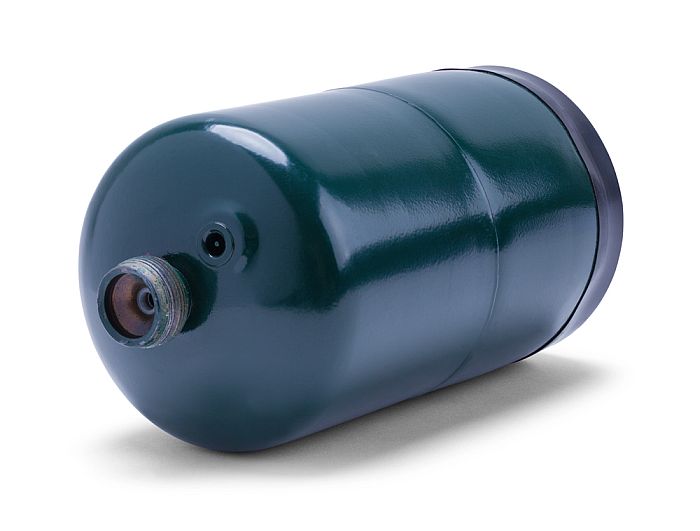
Those small green 1-lb canisters you use for lanterns, heaters, and stoves? They do not expire in the same sense that refillable tanks do. Because they’re classified as DOT-39 cylinders — a single-use, non-refillable container — they were never designed to be recertified or refilled.
They aren’t stamped with an expiration date because the government expects them to be used once, emptied, and properly disposed of. There is no legal system for “renewing” them, because they were never meant to live long enough for that.
However, they can degrade. Rust, dents, corrosion, or valve wear can make them unsafe over time. Even though they don’t technically expire, old or damaged 1-lb cylinders should be discarded. The older the canister, the more likely the valve seal has dried out or weakened.
So while they don’t have expiration dates, they aren’t immortal, and using a severely aged canister can be risky.
Refillable Propane Tanks Do Expire — Usually After 12 Years
The larger refillable tanks — 5 lb, 11 lb, 20 lb, 30 lb — are a different story. These are made from much thicker steel and are intended to be pressurized over and over again. Because of that, the Department of Transportation (DOT) requires periodic testing to make sure they’re still safe.
A new refillable propane tank is typically good for 12 years from the manufacture date. After that, it cannot legally be refilled unless it’s recertified.
And refill stations enforce it. If you show up with an expired tank, they’ll either refuse to fill it or offer to swap you for a certified one.
This is why it’s important for campers to check their tanks long before a big trip — especially those using refillable camping-sized cylinders like the 5-lb or 11-lb models.
How to Find the Manufacture Date on Your Tank
Every refillable propane tank has its manufacture date stamped on the collar (the round metal ring around the valve). It looks like:
MM-YY
Example: 06-18 means June 2018.
Count 12 years from that date to determine when it expires.
Manufactured: June 2018
Expires: June 2030 (unless recertified)
If the tank has been recertified, you’ll see an additional marking, usually a letter followed by a date — that’s your new certification period.
What Happens After the First 12 Years?
Once the tank hits the 12-year mark, it doesn’t automatically become unsafe. It just can’t be refilled legally without inspection. Recertification extends the tank’s life by 5 years at a time, depending on the testing method used.
Recertification includes:
- checking the valve
- testing pressure integrity
- inspecting for corrosion or dents
- verifying structural soundness
A tank that passes can re-enter service for another five years. A tank that fails is permanently removed from circulation.
Most campers simply swap expired tanks at exchange stations, but if you’re using a smaller refillable camping tank (like a 5-lb), recertification is sometimes cheaper than buying new.
Why Propane Tanks Have Expiration Dates
Propane cylinders are constantly pressurized, and over time, metal fatigue is inevitable. Tanks are exposed to harsh environments, temperature swings, physical impacts, and corrosion. The expiration system is designed to ensure tanks remain strong enough to withstand pressure without failures.
A propane rupture is no joke — it’s violent, unpredictable, and dangerous. That’s why refillers follow expiration dates strictly.
What About Rusty or Damaged Tanks?
A tank doesn’t have to reach its official expiration to become unsafe. Any of the following are red flags:
- deep rust
- large dents
- warped bases
- leaking valves
- corrosion around the collar
- hissing when connected
- soft spots in the metal
These tanks should be immediately retired. Even if they’re within the 12-year window, structural weakness is a bigger concern than age.
Using Camping Propane Tanks Safely Even Before They Expire
Expiration dates are only part of the story. Safe use matters just as much. Tightly secure connections, avoid storing tanks in direct sunlight, keep them upright, and never leave them near heat sources. Check for leaks with soapy water before every trip.
Disposable 1-lb tanks should never be stored in extremely hot vehicles or near campfires. Their valves are small and not designed for prolonged pressure fluctuations.
What to Do With Expired Tanks
Expired refillable tanks have a few options:
Exchange Them
Tank exchange services (like Blue Rhino) accept expired tanks and replace them with recertified or newer ones. This is the easiest route.
Recertify Them
A local propane dealer may offer recertification for a fee. This is ideal if you use a tank size that exchange programs don’t carry — such as 5-lb or 11-lb camping tanks.
Recycle Them
If a tank is too damaged for reuse, many recycling centers accept them, but you’ll need to confirm that the tank is fully empty before dropping it off.
Never Abandon Them in Campsites
Campgrounds constantly deal with people leaving old propane cylinders behind — especially the green 1-lb bottles. These create hazards and environmental waste. Always pack them out and dispose of them properly.
Do Small Camping Propane Tanks Suddenly “Go Bad”?
Not typically. Propane itself doesn’t degrade. It can sit in a tank for years without losing potency. What does degrade is the container — specifically:
- the valve
- the threads
- the seal
- the metal integrity
That’s why age matters even if the propane inside is still usable. Tanks don’t expire because of the fuel — they expire because of safety.
How Long Should You Personally Keep a 1-lb Tank?
Most campers use 1-lb tanks quickly enough that age doesn’t become a huge issue. But if you have a stash in your garage, rotate them. Tanks that sit for a decade, especially in humidity or heat, can develop valve issues.
A good rule of thumb:
If a 1-lb tank looks rusted, swollen, dented, or crusty around the valve — ditch it.
The Bottom Line
Do camping propane tanks expire?
Disposable 1-lb tanks don’t have an official expiration date, but they can degrade and should be discarded when damaged or old.
Refillable propane tanks absolutely expire — typically after 12 years — and must be recertified to stay in use.
Understanding those rules keeps you safe, saves you money, and prevents a rude surprise when a refill station refuses your tank. Check your tank dates now, long before your next camping trip. Your stove — and your nerves — will thank you.