
This page may contain affiliate links; you can read our full disclosure.
Camping is supposed to be relaxing — fresh air, crackling fire, stars overhead. But mess up a few basics and you’ll turn a peaceful weekend into a long series of poor decisions you can’t undo until Sunday.
Here are the ten biggest mistakes beginners make, why they matter, and how to avoid learning these lessons the hard way.
1. Showing Up Without Checking the Weather
Weather affects everything — where you camp, what you wear, how you cook, and whether you sleep comfortably or lie awake listening to rain soak through bad gear.
Check the forecast for temperature, wind, and precipitation before you leave, not after you’ve committed to the drive. A little planning lets you pack the right clothing, choose a better campsite, and avoid setting up in miserable conditions.
Optimism is not a weather strategy.
2. Bringing a Cheap, Mystery-Brand Tent
A bad tent doesn’t just leak — it traps condensation, flaps all night, and collapses when the wind picks up. Bargain-bin tents often skip important features like sealed seams, full rainflies, and durable poles.
You don’t need an expensive expedition tent, but you do need something proven. Read real reviews, make sure it’s rated for the weather you expect, and avoid anything that sounds like it was named by a marketing intern.
3. Not Learning How to Set Up the Tent Before You Arrive
Trying to learn tent setup in fading daylight is a guaranteed way to raise your blood pressure. Poles look identical. Instructions are vague. Everyone is tired.
Set your tent up once at home. You’ll learn how it actually works, spot missing parts, and save yourself frustration at the campsite. Five minutes of practice beats an hour of confusion in the dark.
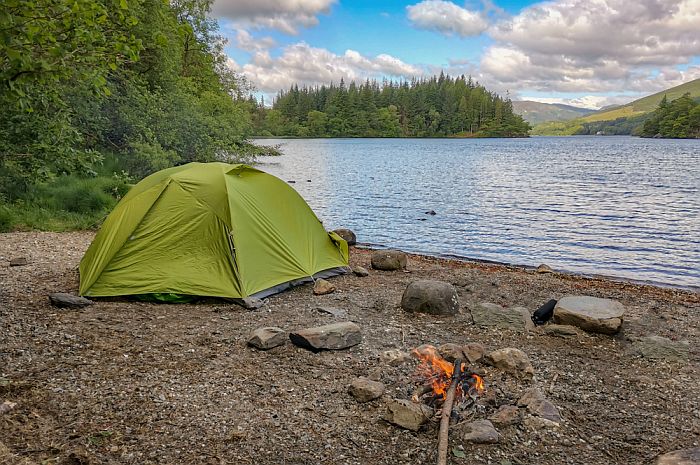
4. Camping Too Close to the Water
Waterfront campsites look great in photos, but they’re colder, windier, and attract insects. Moist ground also increases condensation inside your tent.
Camp slightly uphill and back from the shoreline. You’ll stay warmer, drier, and sleep better — and you can still walk down to the water when you want.
5. Bringing Way Too Much Stuff
Overpacking turns camping into logistics management. You spend more time unloading, organizing, and searching through bins than actually relaxing.
Stick to essentials. If an item doesn’t clearly improve comfort, safety, or meals, it probably doesn’t need to come. Lighter packing means faster setup, easier cleanup, and less stress.
6. Forgetting That Fire Is Not a Toy
Campfires are for warmth, cooking, and atmosphere — not for building the biggest blaze possible. Oversized fires burn through wood fast and become dangerous in dry conditions.
Keep fires small and controlled. Clear the area, respect local fire rules, and fully extinguish the fire before leaving or going to bed. If it’s warm to the touch, it’s not out.
7. Leaving Food Out Like You’re Feeding the Woodland Buffet
Food left out attracts animals quickly, and once they learn a campsite means easy meals, they come back. This creates safety risks and ruins future campers’ experiences.
Store food in sealed containers, coolers, or your vehicle. Clean up after meals and don’t leave snacks unattended. You’re a guest in their home — don’t train wildlife to associate people with food.
8. Wearing the Wrong Clothing
Weather changes fast outdoors, especially overnight. Cotton clothing absorbs moisture and dries slowly, which can lead to cold, discomfort, or worse in cooler temperatures.
Wear layers, choose moisture-wicking fabrics, and always pack rain protection. Extra socks are never wasted space.
9. Not Bringing Enough Light
Once the sun sets, campgrounds get dark fast. Relying on a phone flashlight drains your battery and leaves you without communication when you need it.
Bring a headlamp or lantern and spare batteries. Good lighting prevents trips, falls, and late-night frustration.
10. Going to Bed Without Checking Your Sleeping Setup
Most nighttime discomfort comes from heat loss to the ground, not air temperature. A sleeping bag alone isn’t enough.
Use a sleeping pad or mattress to insulate yourself and add comfort. Take a few minutes before bed to adjust your setup — it’s much easier than fixing it at 3 a.m.
Final Thoughts
Camping is enjoyable when you respect the basics. Check the weather, use reliable gear, pack intentionally, and treat the environment responsibly.
A little preparation turns camping from a stressful experiment into the relaxing escape it’s supposed to be.
