
This page may contain affiliate links; you can read our full disclosure.
Zero waste camping sounds great on paper, but most of the advice you find online is written by people who seem like they’ve never camped outside their backyard. They’ll tell you to bring glass jars, compost tea bags, hand-wash everything in a bucket made of ethically sourced moonlight, and carry your trash home in a woven basket of unicorn hair. Real campers don’t want that. Real campers want simple, low-stress ways to cut down waste without ruining the trip.
The good news is you can go “low waste” without feeling like an environmental monk. It’s not about perfection. It’s not about being judged by the couple in matching Patagonia jackets across the campground. It’s just about making smarter choices, creating less trash, and keeping your campsite cleaner and easier to deal with. These ideas are practical, realistic, and don’t suck — and if anything, they’ll make camping easier.
Pack Food the Smart Way
Most of the waste generated on a camping trip comes from food packaging. The trick is to prep what you can at home so you don’t bring a mountain of wrappers, boxes, and containers out into the woods. Instead of hauling store packaging, portion your food ahead of time. Snacks can be loaded into reusable containers. Meat can be moved into sealed bags rather than thick styrofoam trays. Vegetables can be chopped ahead of time so you aren’t tossing onion skins or carrot ends around camp. When you eliminate bulky packaging before you leave home, you cut down on trash immediately — and you also make packing and unpacking a whole lot easier.
Bring Reusable Water Bottles and a Large Jug
If there’s one thing that fills campground trash cans faster than anything, it’s disposable water bottles. They multiply like gremlins. The better approach is to bring a large water jug — five to seven gallons is ideal — and refill your reusable bottle throughout the trip. If you’re camping at a site with potable water, you’re basically operating on an endless tap. If not, the big jug still replaces an entire pile of waste and keeps everyone hydrated without contributing to the landfill.
Use Real Plates and Utensils Instead of Disposable Ones
Paper plates feel easy, but they turn into soggy, greasy garbage that you still have to deal with later. Using real plates, cups, and utensils might sound like extra work, but once you go that route, you never go back. A few simple, durable items wash quickly, don’t blow away in the wind, and actually make the eating experience better. Plus, you don’t end up with a smelly trash bag full of half-chewed paper plates that look like raccoons auditioned for “American Ninja Warrior” inside them.
Keep Your Cookware Simple
Zero waste camping doesn’t mean bringing half your kitchen. In fact, the fewer items you bring, the less mess you create. One pot, one pan, and one solid knife will handle almost every camp meal you’ll ever cook. When you minimize your cookware, you minimize the amount of cleaning, wiping, and waste that usually comes from a cluttered campsite kitchen. Less gear also means less chance of leaving something behind or dealing with a pile of dirty dishes when you just want to relax.
Cut Back on Paper Towels
Paper towels are convenient until you realize you’ve filled half a bag with soggy disposable wads. You don’t have to swear them off entirely, but switching to reusable towels for most things dramatically cuts down trash. A couple of designated “camp towels” for spills and cleanup and a small dish towel for washing up handle most jobs perfectly fine. They dry quickly if you hang them under a tarp, and you won’t find yourself packing out a grocery-bag wad of damp paper later.
Use Biodegradable Soap — But Use It Smart
One tiny bottle of biodegradable soap goes a long way, whether you’re cleaning hands, dishes, or even the occasional piece of clothing. The key is to use it away from streams, lakes, and water sources. A surprising number of people think biodegradable soap means “safe anywhere,” but that’s not actually how it works. Just wash things at your campsite, dump the gray water on absorbed ground, and keep nature’s waterways clean. It keeps your gear clean, keeps your waste minimal, and protects the places you’re enjoying.
Avoid Single-Use Items Whenever Possible
Camping is easier when you ditch things that are designed to be thrown away immediately after use. Disposable tablecloths, condiment packets, tiny chip bags, plastic forks, and similar items all create unnecessary trash. Swapping these for reusable versions isn’t just environmentally friendly — it makes your campsite feel more organized. Reusable items don’t rip, blow away, or crumble like styrofoam coolers. They just work better.
Bring a Real Cooler Instead of a Foam One
If you’ve ever watched a styrofoam cooler fall apart in real time, you know exactly why this matters. They shed tiny white beads everywhere and leave your campsite looking like it snowed polystyrene. A real cooler lasts for years, keeps ice much longer, and doesn’t explode into environmental confetti every time someone bumps it. You cut down on waste dramatically, and you save time, money, and aggravation.
Use Reusable Fire Starters
Instead of buying chemical fire starters that come wrapped in plastic, try simple reusable or homemade options. Cotton balls dipped in petroleum jelly or dryer lint tucked inside a small cardboard tube both work much better than the store-bought stuff. You create less waste, carry less packaging, and get a fire going faster — especially in damp conditions. It’s one of those small habits that makes camping smoother without feeling like a sacrifice.
Pack Out Everything — Even the Stuff You Didn’t Bring
One of the easiest ways to reduce waste at campsites is to leave the place cleaner than you found it. That doesn’t mean doing a full-scale cleanup. It just means grabbing the random trash left behind by previous campers. A leftover bottle cap here, a candy wrapper there — small things that don’t take any effort but make a huge difference. When everyone does this, campsites stay beautiful. And honestly, it feels good knowing you left the spot better than it was when you arrived.
Choose Durable Gear That Lasts
Zero waste camping is more about durability than minimalism. Cheap gear breaks, rips, leaks, and eventually ends up in the trash. Investing in high-quality items — good tent stakes, a sturdy tarp, stainless steel utensils, a reliable stove, solid storage containers — means you buy once and use the gear for years. You create less trash and enjoy camping more because your stuff actually works. Durable gear is the real “zero waste” hack people overlook.
Use Reusable Containers for Food
Zip-top bags are handy, but there are better, longer-lasting options. Silicone bags, plastic containers, and reusable wraps all work well for storing snacks, leftovers, and ingredients. They don’t tear, they pack better, and they keep food fresher. They also reduce the number of small wrappers and disposable bags that end up in the trash. It’s a simple switch that immediately cuts down waste.
Burn Burnable Paper When Allowed
If the campground rules allow it, burning any clean paper waste in the fire is an easy way to keep your trash bag from bulging. Things like paper towels, cardboard sleeves, and food boxes burn quickly and safely when tossed into a healthy fire. Just avoid throwing in anything plastic, metal, or foil. It reduces what you have to pack out and keeps the campsite tidy.
Repackage Condiments and Ingredients Before You Leave
Bringing full-size bottles of ketchup, mustard, oil, salt, and spices is a guaranteed way to end up with extra trash and clutter. Instead, pack only what you need into small reusable bottles or containers. Not only does this reduce waste, but it makes prepping meals faster and keeps your camp kitchen organized. There’s nothing worse than digging through a cooler full of half-frozen, full-size bottles that you didn’t even need in the first place.
Don’t Forget a Clothesline
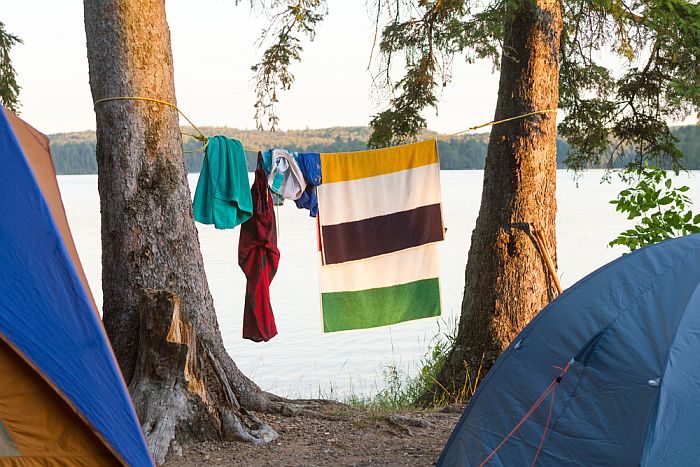
A simple rope tied between two trees is one of the most underrated zero-waste tools you can bring. Instead of using tons of paper towels to mop up wet clothes, you just hang them to dry. Towels, socks, jackets, and even sleeping bag liners dry much faster in the open air, and you avoid creating a pile of wet stuff that ends up smelling like a swamp.
Final Thoughts
Zero waste camping doesn’t mean turning into a minimalist survivalist or following complicated environmental rituals. It’s simply about making a handful of smarter choices that reduce trash, make camp life easier, and keep the outdoors clean. Packing food more efficiently, using durable items, avoiding single-use junk, and keeping the campsite clean are all simple habits anyone can adopt. These ideas don’t require extra effort, and you don’t need to change your personality or camping style to use them.
When done right, low-waste camping actually improves the experience. Your campsite stays cleaner, your packing stays lighter, and you spend less time dealing with trash bags and soggy wrappers. And best of all, you walk away knowing your trip didn’t leave a mess behind.
