
This page may contain affiliate links; you can read our full disclosure.
When you’re camping, staying clean isn’t about smelling nice for Instagram — it’s about staying healthy, comfortable, and keeping your gear (and tent mates) from suffering. Dirt, sweat, bacteria, bug spray, sunscreen, and campfire smoke all build up fast when you’re outdoors, especially if you’re moving, sweating, and living without plumbing. Good hygiene prevents rashes, infections, irritated skin, chafing, and bad odors that make sleeping in a tent feel like punishment.
The good news? Staying clean in the woods isn’t complicated. With a few smart habits and simple items, you can maintain legit hygiene even miles away from running water.
Start With Your Hands: Clean Them More Than You Think
Your hands are the number one thing that will get you sick outdoors. You touch dirt, gear, wood, fish, firewood, straps, and then you eat with those same hands. Even minor contamination can ruin an entire trip with stomach issues or infections. If you do nothing else on this list, keep your hands clean.
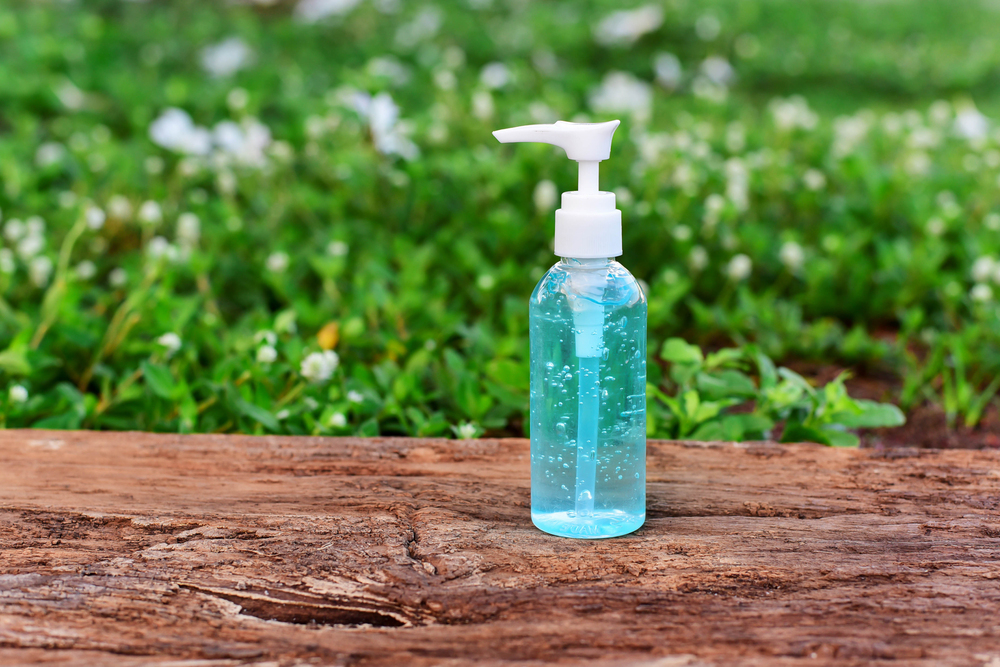
A small bottle of biodegradable soap and a collapsible bowl works wonders, but many campers rely on hand sanitizer for convenience. The key is consistency — before meals, after bathroom breaks, after dealing with raw food, and anytime you touch something questionable.
Hand hygiene is your first line of defense, and it’s one of the easiest habits to maintain.
Baby Wipes: The Shower Replacement That Actually Works
One of the biggest camping myths is that you need a shower every day to stay fresh. Not true. Baby wipes keep you shockingly clean when used right. Focus on the areas that get the sweatiest and collect the most bacteria: armpits, groin, feet, and behind the knees. A full wipe-down takes two minutes and keeps odors under control.
If you’re camping in cold weather or want to conserve energy, warm a pack of wipes by placing them near the campfire (but not too close — they melt) or keeping them inside your sleeping bag for a few minutes.
For many campers, the “baby wipe bath” becomes part of the nightly routine and is more than enough to feel refreshed.
Biodegradable Soap and a Wash Basin
When you do need a deeper clean, biodegradable soap is your best friend. But here’s the part everyone forgets: biodegradable soap still needs to be used at least 200 feet from lakes, rivers, and streams. It’s safer for the environment, but not harmless.
A collapsible bucket or even a cooking pot works as a wash basin. Heat a little water over the fire, mix it with cold water to a comfortable temperature, and wash the essentials. Full-body baths aren’t necessary unless you’ve been sweating heavily, swimming in saltwater, or coated in sunscreen.
Soap is most important for hands, pits, feet, and anywhere clothing rubs repeatedly.
Dry Shampoo = Clean Hair Without the Hassle
Hair gets greasy fast outdoors, especially with sweat and campfire smoke mixed in. Dry shampoo helps absorb oil, eliminate odors, and make hair manageable again. For people with long or thick hair, this can be a game changer.
If you don’t have dry shampoo, a little cornstarch or baby powder works in a pinch. Rub it in, let it sit a minute, then shake or brush it out. It’s quick, simple, and doesn’t require water.
Foot Hygiene: The Most Underrated Camping Priority
Feet take a beating when you’re hiking and camping. Neglect them for a day and you’re in trouble. Blisters, fungus, cracked skin, and friction sores all show up fast when sweat and dirt mix inside a warm boot.
At camp, take your shoes and socks off, let your feet breathe, and wipe them clean. If socks are damp, dry them by the fire or swap them out. Moisture breeds bacteria and makes blisters worse.
Healthy feet make everything about camping easier. Treat them well.
Change into Clean Sleep Clothes
Never sleep in the same clothes you hiked or sweated in. Dirty clothing traps moisture and bacteria, creating odors and increasing the risk of skin irritation. Changing into clean sleep clothes also keeps your sleeping bag fresh — which you’ll appreciate after multiple trips.
A simple base layer top and bottom is all you need. They act like pajamas and improve sleeping comfort instantly.
Deal With Bathroom Hygiene Like a Pro
Whether you’re using a campground bathroom or digging cat holes in the backcountry, hygiene is essential. Keep toilet paper in a waterproof bag. Bring a small trowel for burying waste when required. Pack out used wipes — even the biodegradable ones. They do not break down quickly in the wild.
Hand sanitizer after every bathroom break is mandatory, no exceptions.
For women, a pee funnel or a dedicated pee rag can make hygiene in the woods significantly easier. Pee rags, when washed and dried properly, are a popular low-waste solution among experienced backpackers.
Manage Sweat and Odor Even Without Showers
Sweat itself isn’t the problem — bacteria breaking down the sweat are what cause odor. If you’re sweating heavily, wipe down frequently, avoid cotton, and wear moisture-wicking layers. Pay attention to friction points like the inner thighs, armpits, and waistband areas. Chafing happens fast when moisture builds up, and hygiene reduces the risk dramatically.
Some campers carry small packets of body powder to absorb moisture and prevent rubbing. Just don’t overdo it — powders can clump in humid environments.
Keep Your Sleeping Bag Clean With a Liner
A sleeping bag liner acts like a bedsheet for your sleeping bag. It absorbs your sweat and oils so the bag itself stays clean. This not only improves hygiene but extends the life of your expensive sleeping bag and helps regulate heat. Liners are lightweight, easy to wash, and pack small. If you tend to feel sticky after long days outdoors, a liner makes sleeping much more pleasant.
Keep Your Tent Fresh and Clean
Tents get dirty fast. Dirt, dust, sweat, and condensation all accumulate on tent floors and walls. To stay hygienic:
- Shake out your sleeping area daily
- Keep muddy boots outside
- Store food well away from sleeping gear
- Let the tent air out with the door open when weather allows
A clean tent feels better, smells better, and reduces the chance of mold or mildew forming inside.
Know When You Actually Need a Bath
A lot of campers think they need to fully bathe every single day, but in reality, you only need a thorough wash when you’ve built up enough sweat, sunscreen, or grime that your skin starts to feel irritated. Most people can comfortably go two to three days with wipe-downs and targeted cleaning before needing a real bath.
If your skin starts itching, chafing, or feeling sticky beyond what wipes handle, that’s your cue for a deeper wash.
Stay Hydrated to Stay Clean
This one surprises people, but hydration affects hygiene. When you’re dehydrated, your sweat becomes saltier and stickier, which increases odor and irritation. Drinking water keeps your skin healthier and reduces the buildup that leads to smells and discomfort. Good hygiene starts internally as much as externally.
Clothes Management: Rotate, Rinse, Repeat
You don’t need a suitcase of clothes. You just need to rotate smartly. Wear one set during the day, air it out at camp, swap socks daily, and rinse shirts or underwear when they start to feel grimy. Even a simple rinse in a bucket removes sweat and bacteria. Dry clothes completely before storing them to prevent mildew.
Sun and Air Are Powerful Cleaners
UV light kills bacteria, and fresh air removes odors. Hanging gear, socks, or shirts in direct sunlight for a short period helps sanitize them. Just don’t leave clothing or tents in the sun too long, as UV can degrade fabrics over time. Airflow alone does wonders for freshness.
Respect Wildlife and Nature While Staying Clean
Hygiene isn’t just a personal matter — it affects the environment. Don’t wash in lakes or streams, even with biodegradable soap. Pack out wipes and hygiene items. Use catholes responsibly when required. Being clean in the woods is good; being clean while respecting the woods is even better.
The Bottom Line
Camping hygiene doesn’t require showers, fancy gear, or a dozen different products. It’s about staying ahead of sweat, bacteria, and moisture with simple routines. Clean your hands regularly, wipe down daily, take care of your feet, rotate clothing, use biodegradable soap properly, and keep your sleeping area dry and organized.
Stay consistent with those habits and you’ll feel fresh, comfortable, and confident no matter how long you’re in the woods. Clean enough to enjoy the trip — rugged enough to still feel like you’re camping.
