
This page may contain affiliate links; you can read our full disclosure.
When you want your food to stay frozen for days — not hours — dry ice is the heavyweight champion of the cooler world. It stays cold far longer than regular ice, keeps food rock solid, and can even turn a cheap cooler into a multi-day freezer. The trick is knowing how to handle it safely and pack your cooler correctly so you don’t turn your weekend trip into a foggy science experiment.
Dry ice isn’t hands-off like regular ice. It’s colder, more powerful, and behaves differently as it sublimates. But when you use it right, it’s one of the most effective tools for long trips, hot weather, or any adventure where keeping food cold actually matters.
Let’s break down how to use it, how to store it, and how to keep everything (and everyone) safe in the process.
What Exactly Is Dry Ice?
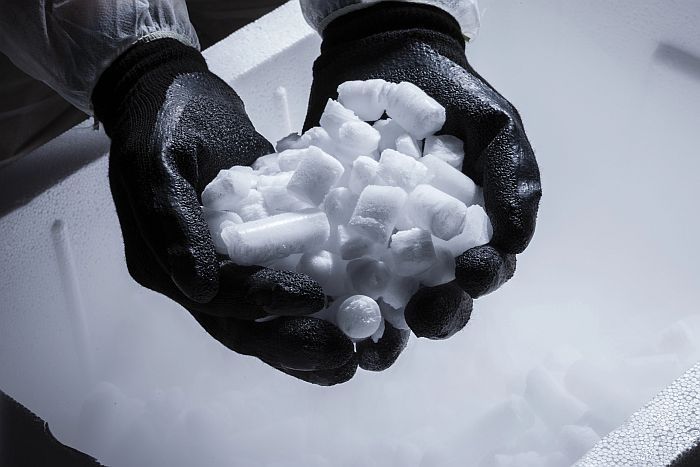
Dry ice is frozen carbon dioxide (CO₂). Instead of melting into a liquid like regular ice, it skips straight from solid to gas in a process called sublimation. This means:
- no melting
- no water mess
- no soggy cooler disasters
- no diluted drinks
It also means it’s extremely cold — −109°F — cold enough to freeze anything it touches. That’s great for preserving food but can be hazardous without proper handling.
Because it releases CO₂ gas as it warms, you also need to be mindful of ventilation, cooler type, and how tightly everything is sealed.
How Long Does Dry Ice Last in a Cooler?
Several factors affect longevity:
- cooler quality
- amount of dry ice
- ambient temperature
- how often you open the cooler
- how much regular ice or frozen food is inside
On average:
- A standard camping cooler: 18–24 hours
- A high-end insulated cooler: 36–72 hours
- Large amounts in a premium cooler: up to 4 days
Dry ice doesn’t “last” — it disappears. When it’s gone, it’s gone. So plan accordingly.
Safety First: How to Handle Dry Ice
Dry ice is safe when used properly, but careless handling can cause problems fast.
Don’t Touch It Bare-Handed
Contact with dry ice can cause instant frostbite. Always use:
- insulated gloves
- tongs
- a towel or thick cloth
Never grab it like a handful of frozen peas.
Keep It Ventilated
Dry ice releases CO₂ gas. In small enclosed spaces — like cars, tents, or small coolers sealed airtight — that gas can build up.
Always:
- keep the cooler slightly vented
- transport with windows cracked
- never store dry ice in a closed tent
CO₂ buildup = oxygen displacement = dangerous.
Don’t Store It in an Airtight Cooler
Pressure from sublimation can warp a cooler or blow the lid open. Leave the drain plug cracked or allow a small vent.
How to Pack Dry Ice in Your Cooler
This is where most beginners get it wrong. The way you layer your cooler determines whether your food lasts a day or the full weekend.
Step 1: Pre-Chill the Cooler
A warm cooler kills dry ice quickly. If possible:
- store the cooler in a cold room before the trip
- add a bag of regular ice the night before
- dump the ice right before packing
Cold cooler = longer dry ice life.
Step 2: Decide What You Want Frozen vs. Just Cold
Dry ice will freeze anything it touches.
So think of your cooler like zones:
- freezer zone = near the dry ice
- refrigerator zone = further away
This matters more than people think.
Step 3: Wrap the Dry Ice
Don’t just toss the block in bare. Wrap it in:
- newspaper
- a paper bag
- cardboard
- a towel
Why? It slows sublimation and prevents freezer burn.
Step 4: Bottom or Top? Depends on Your Goal
If you want to freeze food:
Put the dry ice on top.
Cold air sinks — it will push freezing temps downward.
If you want to keep food cold but not frozen:
Put the dry ice on the bottom under a barrier layer.
Frozen items go closer; delicate items go higher.
Step 5: Add Regular Ice
Dry ice keeps the cooler ultra-cold, but regular ice extends cold life after the dry ice disappears.
The combination performs better than either alone.
Step 6: Fill Empty Air Space
Air warms faster than ice. Fill gaps with:
- extra ice
- towels
- newspaper
- frozen water bottles
Your cooler should be like a loaded freezer — not an empty fridge.
How to Keep Food Frozen for Days
For deep freezing:
- Use a premium cooler if possible.
- Place dry ice at the top.
- Store frozen meats low, directly underneath.
- Double-bag everything.
- Open the cooler as little as possible.
Separating Food: Cooler Zones Matter
If you’re mixing dry ice with regular camp food, consider using two coolers:
- one for frozen items
- one for drinks and frequently accessed items
Every time a cooler opens, warm air rushes in. Drinks kill ice longevity fast.
The dry-ice cooler should be the “do not touch” cooler.
Can You Use Dry Ice in a Soft Cooler?
Usually, no. Most soft coolers are not insulated well enough and can be damaged by extreme cold. The dry ice may:
- crack lining
- ruin stitching
- cause brittleness
- void the warranty
Stick to hard-sided coolers.
Fog Effect: Why Your Cooler Smokes
That fog rolling out when you open the lid is just water vapor hitting the cold air. Totally normal — and honestly, kind of awesome.
Transporting Dry Ice Safely
- Never carry it in the trunk — CO₂ gas needs ventilation.
- Keep windows cracked if it’s inside the cabin.
- Don’t leave it in a sealed car.
Dry ice sublimates faster in heat, so transport it in the original packaging until you reach camp.
How Much Dry Ice Should You Bring?
General rough guideline:
- 5–10 lbs: Short overnight trips
- 10–15 lbs: Weekend camping
- 20+ lbs: Multi-day or extreme heat
Cooler size also matters:
- Small coolers: 5 lbs
- Medium coolers: 10 lbs
- Large coolers: 15–20 lbs
Can You Touch Food Directly to Dry Ice?
You can, but it will freeze solid and may get freezer burn. Wrap food if you only want it cold.
Using Dry Ice in Hot Weather
Dry ice shines in scorching heat. For best results:
- wrap your cooler in a reflective blanket
- keep it shaded
- avoid opening it during peak heat
- store it in the car at night if temps drop
Disposing of Dry Ice
Never throw dry ice in a sink, trash can, or fire. Just let it sublimate naturally outdoors in a safe area.
Keep it away from kids, pets, and curious adults.
The Bottom Line
Dry ice is one of the most effective ways to keep food and drinks cold — or frozen — while camping. It lasts longer than regular ice, doesn’t create puddles, and turns even a basic cooler into deep-cold storage.
But it demands respect. Handle it carefully, store it properly, use the right cooler, and pack your layers intentionally. Once you understand how it behaves, dry ice becomes a powerful tool for multi-day camping trips and hot-weather adventures.
