
This page may contain affiliate links; you can read our full disclosure.
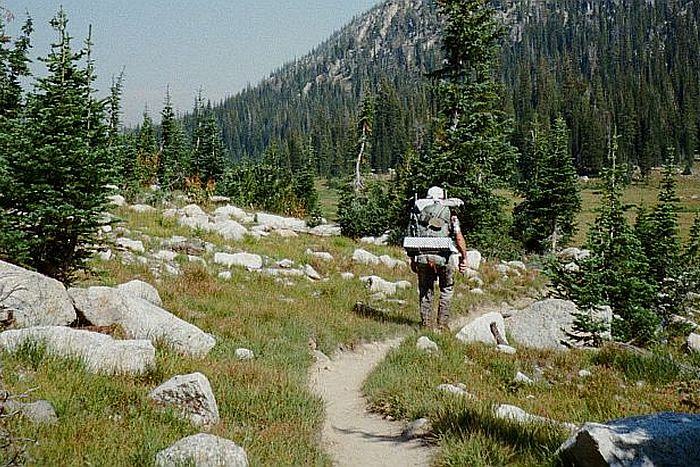
Backpacking alone hits different. There’s something almost addictive about it — the quiet, the freedom, the pace that’s entirely your own. No waiting on slow hikers, no pushing to keep up with fast ones, no negotiations about when to stop or where to camp. It’s just you, your pack, and whatever the trail decides to throw at you. For some people, solo backpacking becomes their preferred way to explore. For others, it’s a bucket-list challenge that feels both exciting and intimidating. And honestly, both feelings are valid.
Going alone doesn’t mean going unprepared. A solo trip magnifies every decision: your route, your gear, your food, your safety, and how you handle unexpected moments. The good news is that anyone can backpack alone if they approach it with the right mindset and preparation. You don’t need to be a wilderness expert or someone who knows how to trap squirrels with dental floss. You just need to know how to plan well, pack smart, move safely, and trust yourself.
If you’ve ever considered heading out alone and want to make sure you do it right, here’s how to go solo on the trail without turning the adventure into a stress marathon.
Start With a Realistic Route
Solo backpacking doesn’t need to begin with a challenging multi-day loop through rugged terrain. Starting small is the smartest path — choose a trail you already know, or a route with moderate elevation changes and well-marked markers. Familiarity builds confidence, and confidence is what lets you gradually expand to more remote areas later.
When you’re alone, the difficulty level of everything increases slightly. A steep downhill feels steeper, a river crossing feels deeper, and a wrong turn feels much more significant than it would in a group setting. Keeping the first trip simple ensures you get used to the solo rhythm without being overwhelmed.
Tell Someone Your Plan and Stick to It
One of the most important safety habits for solo backpackers is leaving a detailed plan with someone you trust. This includes your route, the trailhead you’ll start at, where you expect to be each night, and when you plan to return. If something goes wrong — you sprain an ankle, a storm rolls in, or you take a wrong turn — someone back home knows when to worry and where to send help.
The key is sticking to your plan. Wanderlust can kick in hard on the trail, but big last-minute changes complicate things if someone needs to find you. You’re still free to explore, but staying within the general outline you shared keeps things safe.
Pack Light but Pack Smart
Solo backpackers don’t have the luxury of splitting gear like tents, food, or cookware with partners. Everything you need goes on your back, which means pack weight matters more than ever. The trick is to pack light without packing stupid — shaving weight in the wrong place makes the trip miserable.
Bring gear that’s reliable and multipurpose. Your sleep system should keep you warm, not barely warm. Your shelter should be easy enough to set up when you’re exhausted. Your food should be simple and calorie-dense. And your pack shouldn’t feel like a medieval punishment device after a few miles.
You don’t need ultra-expensive gear, but you do need gear you trust. The mental confidence that comes from solid gear is one of the biggest advantages solo hikers have.
Solo backpacking isn’t the time to rely on “vibes” for directions. Even well-marked trails can get confusing, especially after long days or in bad weather. Carry a map and know how to read it. A GPS app helps, but don’t treat it as a magic crutch. Phones die, signals drop, and electronics fail exactly when you wish they wouldn’t.
Navigation doesn’t need to be complicated — just consistent. Check your route regularly, make sure you’re still on the right trail, and avoid making assumptions when a junction looks unclear. Small mistakes become bigger when you’re alone, but they’re almost always preventable with steady awareness.
Learn to Be Comfortable With the Quiet
A lot of people fear solo backpacking not because of wildlife, weather, or getting lost, but because of the silence. When you’re used to always having chatter, noise, music, or conversation filling your day, the quiet of the forest can feel too big, too empty, or too unfamiliar.
That feeling goes away. In fact, many solo hikers say the quiet becomes their favorite part. You start to notice things you normally miss — wind patterns, distant birds, subtle shifts in the air before a storm, and the way sunlight moves across the ground as the day changes. Solo hiking turns the outdoors into something personal, almost meditative, once you settle into it.
Trust Your Instincts, but Don’t Ignore Logic
You will occasionally feel uneasy on the trail when you’re alone. That’s normal. Instinct has kept humans alive for thousands of years. The key is knowing the difference between legitimate concern — like hearing something large moving close to your tent — and the brain’s tendency to invent mountain lions every time a twig snaps.
If something feels genuinely off, trust your gut. Move campsites, turn around, change your pace, or wait things out. But also lean on logic: wildlife typically avoids humans, most noises are harmless, and fear often flares up precisely because solo backpacking pushes you out of your comfort zone.
Experience is what teaches you what’s real and what’s just adrenaline talking.
Keep a Steady, Manageable Pace
Solo backpackers often push themselves too hard because there’s no one around to slow them down. But hiking alone is a marathon, not a sprint. When you go too fast, you burn energy, lose focus, and increase your risk of injury — especially ankle twists and missteps. A steady, comfortable pace keeps your body strong and your mind alert.
You’re not trying to impress anyone. Your goal is to enjoy the trail safely, comfortably, and consistently. Save the hero miles for a time when you have a partner and a bailout plan.
Be Smart About Wildlife
Solo backpacking doesn’t make wildlife encounters more dangerous — it just makes your reaction more important. Know the basics for the region you’re hiking in. Store food properly. Make noise when moving through dense brush. Keep a balanced awareness without spiraling into fear.
Most animals want nothing to do with humans. Bears, mountain lions, and wolves typically avoid you long before you know they’re there. Your job isn’t to be scared — just informed.
Understand That Solitude Brings Surprising Benefits
Something happens on a solo trip that doesn’t happen in groups: you start noticing the internal shift. The longer you hike, the more the chatter in your head quiets down. The usual daily stressors — work, bills, responsibilities — fade into the background, replaced with a rhythm that’s much more primal and grounding.
You discover how capable you are. You learn how to solve problems calmly. You gain a sense of independence most people never experience in their normal routines. Solo backpacking grows you, whether you go out for one night or a week.
Expect the First Night to Feel Weird — and Then It Gets Better
For most people, the first night alone in the backcountry feels strange. Every noise sounds louder. Every breeze around your tent feels suspicious. That’s just the body reacting to a new environment.
By the second night, your brain relaxes. You get used to the sounds. You sleep better. And you settle into the rhythm of being out there alone. Once that shift happens, solo backpacking becomes one of the most comfortable and rewarding experiences out there.
Final Thoughts
Backpacking alone isn’t about proving toughness. It’s about freedom, clarity, and discovering how strong and capable you are when everything depends on you. Solo hiking teaches self-trust, awareness, resilience, and calm decision-making in a way group trips never can. With proper planning, smart gear choices, reasonable routes, navigation skills, and a willingness to adapt, anyone can go solo safely.
You don’t need to be fearless to go alone. You just need to be prepared — and a little curious about what you’ll learn out there.
