
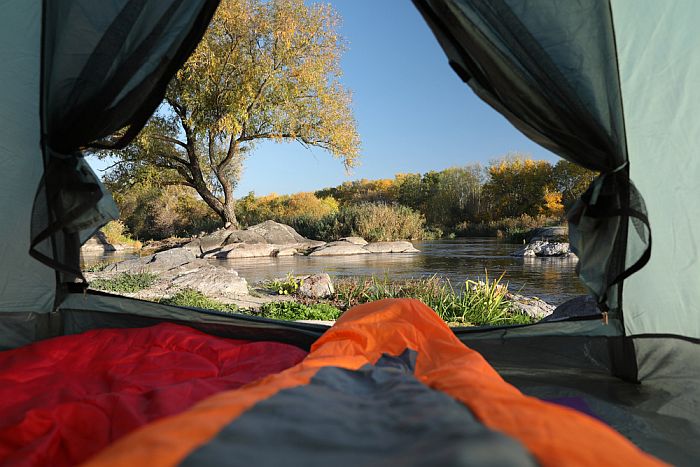
The best time to go camping isn’t the same for everyone. Some people want warm nights and easy comfort. Others want crisp air, quiet campgrounds, and zero neighbors blasting Bluetooth speakers at 11 p.m. The “right” season depends on weather, crowds, bugs, daylight, gear, and what kind of trip you actually want.
This page may contain affiliate links; you can read our full disclosure.
The truth is, every season can be the best season—just for different reasons. Here’s a deeper look at what each one offers, the real pros and cons, and how to match the time of year to your ideal style of camping.
Spring: Mild Weather, New Scenery, and Manageable Crowds
Spring is the unofficial start of camping season for many people. Temperatures begin warming up, plants revive, animals come out, and the world stops looking like a grayscale photograph.
Spring is perfect if you want variety without the summer crowds—but you need to be ready for unstable weather.
Why Spring Works Well
- Comfortable daytime temperatures in most states
- Fresh scenery, wildflowers, and wildlife movement
- Popular parks less crowded
- Great time for hiking-heavy trips
It’s a sweet spot where you get decent weather without feeling like you’re baking in a canvas oven.
Downsides to Expect
- Rain is almost guaranteed
- Nights can still drop into freezing temps
- Flooded trails and muddy campsites
- Bugs begin waking up
If you want spring camping to go right, you absolutely need a waterproof tent and warm sleeping gear. Otherwise, you’re gambling with misery.
Best for:
- Hikers
- Photographers
- Campers who prefer cooler temps
- Anyone avoiding summer crowds
Summer: The Easiest and Most Beginner-Friendly Season
Summer is the classic camping season. Kids are out of school, lakes are warm enough to swim in, and you don’t need to pile on layers like you’re dressing for an arctic expedition. Everything about summer camping is simpler—except the crowds.
Why Summer Is the Most Popular
- Longest daylight hours of the year
- Warm evenings and easy sleeping temps
- Perfect for swimming, kayaking, and fishing
- Less gear required for comfort
If you have kids or beginners with you, summer is usually the least complicated season for a successful trip.
Summer Drawbacks
- Crowded campgrounds (especially weekends)
- Mosquitoes, ticks, flies—basically a small kingdom of things trying to bite you
- Hot, humid weather in many states
- Harder to keep food cool without packing half a convenience store’s worth of ice
It’s the best season for convenience and activities, but the worst for finding calm, quiet campsites.
Best for:
- Families
- New campers
- Water-related trips
- Long weeklong or multiweek outings
Fall: The Best Overall Time to Go Camping (For Most People)
When experienced campers are asked about the best time of year, fall wins almost every time. You get the comfort of summer without the heat, the beauty of spring without the mud, and the calm that comes when crowds thin out.
Why Fall Is the Champion Season
- Cool, stable weather ideal for hiking and sleeping
- Virtually no bugs after early fall
- Campgrounds dramatically less crowded
- Peak scenery—arguably the best of the year
- Ideal campfire season
Fall hits the perfect middle ground: warm days, cool nights, great colors, and very little hassle.
Fall Drawbacks
- Shorter daylight hours
- Nights can get cold fast, especially in northern states
- Sudden storms and early cold fronts are common
- Some campgrounds close early in higher elevations
Still, even with those downsides, this is the most comfortable mix of weather and solitude you’ll find.
Best for:
- Experienced campers
- Couples
- Quiet weekend getaways
- People who want the best scenery
Winter: Quiet, Rewarding, and Demanding
Winter camping is either magical or miserable depending on your gear and skill level. For people who want solitude, photography opportunities, or a challenge, winter is unbeatable. But it’s also the season that will punish you hardest for mistakes.
Why Winter Can Be Incredible
- Total solitude—no crowds anywhere
- No bugs
- Snow transforms everything into a different world
- Campfires feel genuinely rewarding
- Wildlife tracking and visibility increase
It’s peaceful in a way no other season can match.
Winter Challenges
- Requires serious cold-weather gear
- Fire building becomes more difficult
- Short daylight limits how much you can do
- Hypothermia risk spikes
- Frozen water sources require planning
Winter camping isn’t casual. You need preparation, experience, and common sense—but the payoff is huge if you enjoy quiet wilderness.
Best for:
- Skilled campers
- Backpackers who like challenges
- Photographers
- Anyone seeking total solitude
The Best Time to Go Camping Based on Your Goals
Instead of picking by season alone, pick by what matters most to you.
Best overall comfort
Early to mid fall
Best for beginners
Late spring through early summer
Best for avoiding crowds
Winter or midweek trips in fall
Best scenery
Fall foliage season
Best for water activities
Summer
Best for wildlife viewing
Spring and early fall
Best for hiking-focused trips
Spring and fall
Final Takeaway
There’s no single “best” time of year for camping, but fall offers the strongest combination of great weather, fewer bugs, beautiful scenery, and manageable crowds. Summer is easiest for beginners and families. Spring brings mild temps and fresh landscapes if you don’t mind rain. And winter delivers unmatched silence and solitude for those who know what they’re doing.
The best time to go camping is the time that fits your goals, your comfort level, and the experience you want — not just the temperature outside.