
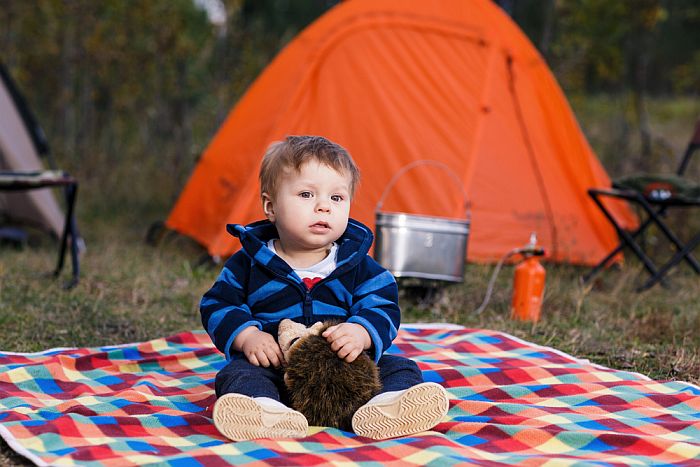
Camping with a toddler is a special kind of adventure. Half wholesome memory-making, half trying to keep a tiny human alive in the wilderness while they lick rocks and wander off like they’re auditioning for a missing-person poster. With the right prep and mindset, camping with a toddler can actually be fun — and even relaxing in those rare moments where they sit still for more than eight seconds.
This page may contain affiliate links; you can read our full disclosure.
Here are 15 practical tips that make the whole experience smoother, safer, and way less chaotic.
1. Do a Backyard Test Run First
Before you drop real money on gear and haul your toddler into the woods, do a backyard practice night. You’ll immediately learn what works, what doesn’t, and what items your toddler refuses to sleep without — even though they ignored them for the last six months.
2. Choose a Campsite Close to Home (At First)
Toddlers have no respect for your camping dreams. They might love it… or melt down like a solar flare. Being within an hour or two of home gives you an escape route if everything goes sideways.
3. Pick a Toddler-Friendly Campground
You want:
- Level ground
- Bathrooms nearby
- A safe layout (no cliffs or water hazards 20 feet from your tent)
- Some shade
- Easy trails
This is not the trip for rugged backcountry realism.
4. Bring a Playpen or Portable Yard
Toddlers wander constantly. A portable playpen or pop-up “baby corral” keeps them contained while you cook, build a fire, or just want two minutes of peace before someone eats a pinecone.
5. Layer Clothing Like You’re Dressing a Tiny Onion
Toddlers get cold, hot, sweaty, muddy, and wet — sometimes all within 15 minutes. Layers let you adjust without changing their entire outfit every hour.
6. Choose a High-Quality Sleep Setup
Comfort equals sleep. Sleep equals sanity.
A toddler sleep system should include:
- A warm, toddler-sized sleeping bag
- A small sleeping pad or inflatable mattress
- Their normal sleep items (stuffed animals, blankets, whatever prevents bedtime rebellion)
Cold toddlers don’t sleep. Cold toddlers make sure you don’t either.
7. Bring More Snacks Than Seems Physically Possible
Hiking builds appetite. Toddlers build appetite by existing. Keep easy snacks on hand:
- Crackers
- Fruit packs
- Cheese sticks
- Trail mix (minus choking hazards)
Hungry toddlers become feral fast.
8. Let Them “Help” With Everything
Toddlers love jobs. Give them simple tasks:
- Handing tent stakes
- Gathering small sticks
- “Supervising” water bottles
They feel included — and stay closer to you.
9. Pack a Full First Aid Kit
Toddlers trip, scrape, tumble, bonk, bump, and bruise. Bring:
- Bandages
- Antiseptic wipes
- Tweezers
- Kids’ pain reliever
- Hydrocortisone for bites
You will use it. Multiple times.
10. Keep Them Away From the Fire
Toddlers and campfires should never mix freely. Use chairs, playpens, rocks, and constant supervision to keep them from wandering into the flames.
11. Bring Activities for Downtime
Toddlers don’t understand “relaxing by the fire.” Pack:
- Buckets and shovels
- Bubbles
- Chunky crayons
- Board books
- Toy cars
Outdoor stimulation plus familiar toys equals fewer meltdowns.
12. Stick to a Loose Version of Their Routine
Naps may shift and bedtime might drift, but keeping familiar anchors — meals, quiet time, bedtime rituals — helps prevent chaos.
13. Accept the Dirt
Your toddler will get filthy. You can fight this reality, or accept it and declare them “one with nature.” Bring wipes and a towel. You’ll survive.
14. Have Wet-Weather Backup Plans
Even light rain can turn a toddler into a soggy gremlin. Pack:
- Rain boots
- Rain jacket
- Extra clothes
- A tarp or canopy
A dry toddler is a dramatically happier toddler.
15. Lower Your Expectations and Enjoy the Chaos
Your goal isn’t the perfect camping trip — it’s making memories. Slow down, let them explore, laugh at the ridiculous moments, and accept that camping with a toddler is part adventure, part comedy show.
Final Thoughts
Camping with a toddler isn’t about peace and quiet. It’s about introducing them to the outdoors in a safe, manageable way. With the right prep, gear, and mindset, it can absolutely work. They won’t remember every detail — but they’ll remember the feeling.