
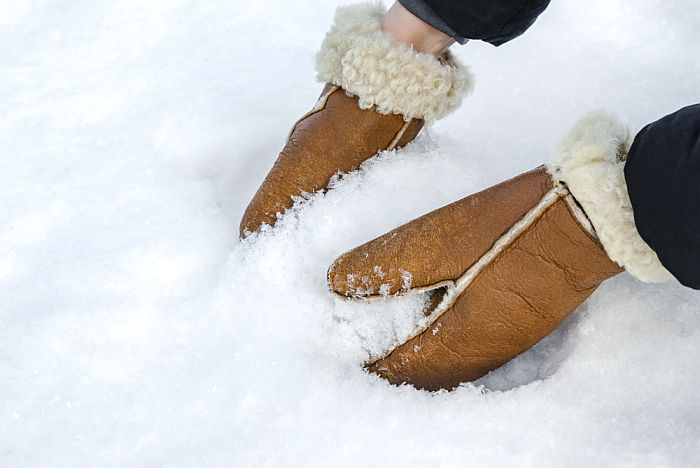
When you’re out in the cold, surrounded by endless white, it’s natural to look at snow and think, “Well… that’s basically water, right?” Technically yes — snow is frozen water. But eating it straight from the ground isn’t the hydration shortcut people imagine it to be. In fact, relying on snow as your main water source can backfire if you’re not careful, because your body has to work harder to process it.
This page may contain affiliate links; you can read our full disclosure.
Whether you’re winter camping, hiking in deep snow, or just curious about survival basics, the question comes up every year: Will eating snow actually dehydrate you? The short answer is that it can make you more dehydrated if you eat it in large amounts. The long answer is a little more interesting — and a lot more important if you ever find yourself outdoors without easy access to water.
Snow Is Mostly Air — Not Water in a Useful Form
Fresh, fluffy snow is about 90% air. It looks huge, but it melts into a tiny amount of liquid water. If you scoop up a pot full of snow and melt it, you’ll be surprised by how little water you end up with. Eating handful after handful feels like you’re taking in a lot of moisture, but your body isn’t actually getting much liquid from it.
That alone isn’t enough to dehydrate you — but it’s the next part that matters.
Your Body Has to Spend Heat to Melt It
When you put cold snow into a warm body, your internal furnace has to melt it. That takes energy. Your body burns calories and uses heat to bring frozen snow up to your core temperature. In extremely cold environments, this can create a small but real stress response: your body works harder, loses heat faster, and needs more fluid to maintain normal function.
This is why winter survival experts warn against eating snow straight. It’s not that snow “sucks water out of you.” It’s that the cooling effect taxes your body, increases your hydration needs, and forces you to burn through calories and warmth you may desperately need.
If you’re already dehydrated, calorie-deficient, or exhausted, the impact is even stronger.
Cold Stress Can Feel Like Dehydration
People often think they’re dehydrated in cold weather when they’re actually dealing with something else — loss of body heat. But dehydration and cold stress pair badly. Eating snow drops your internal temperature slightly, and your body has to warm itself back up, which pulls from your water reserves.
This is why winter hikers and mountaineers rarely eat snow directly even when water is everywhere around them. They melt it first to avoid stressing their system.
The Safer Way to Use Snow: Melt It
Snow is a fantastic water source if you melt it. Once it turns to liquid, it’s just water — and you can purify it the same way you would any other wild source. Melting snow takes patience, but it’s the safest way to hydrate in winter conditions.
Here’s the trick every winter camper learns the hard way: add a small amount of liquid water to the pot before you try to melt the snow. A pot filled only with snow can scorch, burn, or melt unevenly. A little bit of warm water jumpstarts the process and saves fuel.
Melted snow has no magical hydration benefit or risk — it’s just cold water. It hydrates you just as well as water from a stream once treated.
Clean Snow Usually Needs Minimal Treatment — But Don’t Assume
Fresh, untouched snow that falls directly from the sky is generally low-risk. But old snow, snow near campsites, snow around animal tracks, or snow sitting on top of dirty surfaces can contain microorganisms or debris you don’t want to drink.
If you’re melting snow for real hydration — not just a few sips — it’s smart to purify it. Boiling is the easiest method in winter, since you’re already heating it anyway.
If you’re collecting large amounts of melted snow, a gravity water purifier lets you pour it in the top and produce clean water without babysitting a pump or squeezing bags with frozen hands. You hang it from a branch or shelter pole and let it run while you set up camp or cook. No effort, no hassle, and you end up with clean water no matter how questionable your snow source looks.
Eating Small Amounts of Snow Is Fine — With Caveats
A few bites of snow on a warm trail won’t send your hydration into a death spiral. Your body can handle the cooling effect just fine. But if you rely on snow as your main water source without melting it, that’s when problems begin.
The more snow you eat, the more heat your body must burn. And if you’re already cold or physically taxed, you’re draining energy right when you need it most.
In extremely cold environments, eating snow directly is a last resort — not a hydration strategy.
Gear That Makes Winter Water Way Easier
You don’t need fancy equipment to melt snow, but certain tools make the process much faster and safer, especially when you’re trying to stay warm and conserve fuel.
One of the best upgrades for winter camping is a winter-rated stove with a wide pot system. These stoves burn hotter, handle wind better, and melt snow much more efficiently than tiny ultralight setups. Some models integrate the pot and burner into a wind-resistant system that boils water incredibly fast — a huge deal when you’re kneeling in snow trying to refill bottles before your gloves freeze stiff.
Pair that with the gravity purifier mentioned earlier, and you’ve got a streamlined setup: melt snow → run it through the purifier → store it in insulated bottles. It’s fast, safe, and keeps you from eating handfuls of ice like a desperate snow-cone enthusiast.
Final Thoughts
Snow won’t dehydrate you in some magical reverse-hydration way, but eating it in large amounts absolutely makes staying hydrated harder. Your body spends energy and heat melting it, which increases your water needs — the exact opposite of what you want in cold environments.
Small amounts? Fine. As a primary water source? Melt it.
Once turned into liquid and treated properly, snow becomes one of the most dependable water sources in winter. Melt it with patience, purify it if needed, and store it correctly. With the right habits and a couple helpful pieces of gear — like a winter-rated stove or gravity purifier — staying hydrated in snowy environments becomes simple and safe.
Handled wisely, snow is a resource. Handled carelessly, it’s a slow drain on your body’s energy when you need it most.