
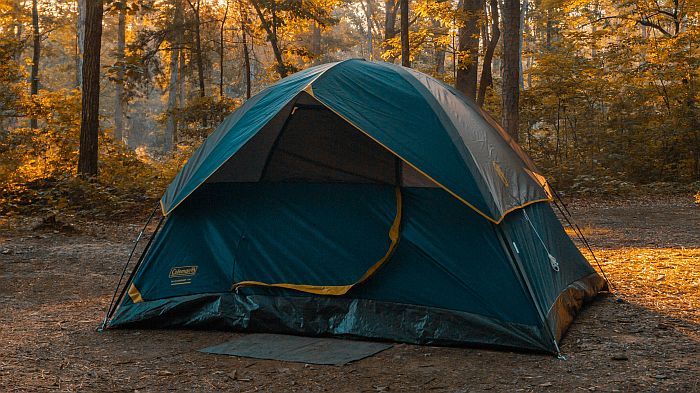
People love asking how long tents last — 5 years? 10 years? Until a bear uses it as a chew toy? The truth is that tent lifespan has less to do with the actual years and everything to do with how often it’s used, the conditions, and how well it’s stored. Some tents are destroyed after one windy festival weekend, while others survive a decade of backcountry trips with barely a complaint.
This page may contain affiliate links; you can read our full disclosure.
Instead of thinking in years, it’s better to think in use cycles. A well-built tent that only comes out for one family trip per year can last ages. A bargain tent exposed to UV light week after week? That thing is aging like milk.
So let’s break down what really determines a tent’s lifespan — and how long you can expect yours to last under normal conditions.
Average Lifespan for Most Tents
A standard camping tent typically lasts 5 to 10 years with moderate use and proper care. Higher-end backpacking tents can last longer because they’re made with better stitching, stronger poles, and higher-quality coatings. Budget tents often fall on the shorter end because the fabrics and zippers simply aren’t built to take repeated stress.
But again — that’s assuming normal usage: a few trips per year, mild weather, and decent maintenance.
If you camp constantly, leave your tent pitched for days at a time, or expose it to harsh weather, its lifespan drops fast.
The #1 Tent Killer: UV Damage
If tents had a natural enemy, it wouldn’t be wind, rain, or raccoons — it would be sunlight. UV rays break down the nylon or polyester fibers, causing the fabric to weaken, fade, and eventually tear like wet tissue paper.
You’ll see the signs:
- fabric loses color
- texture feels crispy
- small cracks or pinholes appear
- rainfly starts flaking
Even the toughest tent fabric can fail after too much UV exposure. Backpackers who set up camp late and leave early avoid this issue. Campers who leave a tent pitched for a week straight in the sun? They age their tent years in days.
The less sunlight your tent sees, the longer it lives.
How Often You Use Your Tent Matters More Than How Old It Is
A seven-year-old tent used twice a year can outlive a two-year-old tent that’s been through 30 trips.
Heavy use exposes a tent to:
- setup and teardown stress
- zippers being pulled constantly
- pole joints grinding
- repeated staking
- fabric stretching
- rain, wind, mud, and heat
Each trip puts miles on a tent just like miles on a car. Track your tent by use, not the calendar.
Weather Exposure: Another Secret Lifespan Killer
Tents aren’t fragile, but they’re not built to live outdoors permanently. Extended exposure to rain, humidity, and temperature swings breaks down waterproof coatings faster than anything else.
Once the waterproof coating starts peeling or getting tacky, the tent’s on borrowed time. Re-coating with a good waterproof spray can extend its life, but only for so long.
Snow loads, high winds, and repeated storms accelerate wear far faster than mild-weather camping.
Zippers and Poles: The First Parts to Fail
Most campers don’t lose their tents to dramatic rips — they lose them to zippers, poles, and seams.
Zippers
The zipper is the tent’s workhorse and one of the most abused components. Dirt, sand, and fabric tension all contribute to zipper failure. When a zipper stops tracking properly, a tent becomes unusable fast — especially in bug country.
Poles
Fiberglass poles splinter. Aluminum poles bend or develop hairline cracks. Pole shock-cord wears out. Good poles can last a decade. Cheap poles? Not so much.
Once poles start failing repeatedly, the hassle of fixing them outweighs the cost of replacing the tent.
Waterproof Coatings Break Down Over Time
Tents rely on PU (polyurethane) or silicone coatings for waterproofing. These coatings degrade naturally with:
- humidity
- heat
- folding and creasing
- age
Eventually, the coating peels, gets sticky, or stops repelling water. You can re-waterproof the fabric, but it’s temporary. When the coating reaches the “peel everywhere” stage, replacing the tent is often easier than restoring it.
How to Make Your Tent Last Longer
Tent lifespan isn’t luck — it’s maintenance. A tent that’s properly cared for can easily last twice as long as one that’s neglected.
Always Dry It Before Storing
Storing a wet tent is a fast-track to mold, mildew, and fabric rot. Even storing it slightly damp can ruin waterproof coatings. After every trip, pitch it at home or hang it until bone dry.
Store It Loose, Not Compressed
Long-term compression damages coatings and creates hard creases. Keep your tent in a large breathable bag, not its tight stuff sack.
Use a Footprint
A footprint (or even a tarp) protects your tent floor from punctures, moisture, abrasion, and dirt. Floors take more abuse than any other part of a tent. Protecting them dramatically extends lifespan.
Avoid Leaving It Pitched in Direct Sun
Even a few days straight of UV can shave years off a tent’s life. Set up in the shade when possible.
Clean Zippers and Fabric
Rinsing dirt from zippers, brushing sand out of seams, and wiping down the tent keeps friction low and hardware functioning longer.
Repair Early, Repair Often
Small seam separations, minor pole bends, and tiny fabric rips are easy to fix when caught early. Ignore them, and they grow into failure points.
Signs Your Tent’s Life Is Coming to an End
Even with good maintenance, tents eventually reach their final chapter. Watch for:
- peeling waterproof coating
- persistent leaks even after re-treating
- zippers failing repeatedly
- fabric tearing easily with light pressure
- poles cracking or bending often
- strong musty smells you can’t remove
- mesh coming apart at seams
A tent doesn’t have to be destroyed to be “worn out.” When reliability drops, it’s time for a replacement.
When It Makes Sense to Buy a New Tent
If you camp rarely, repairing an aging tent is often worth it. But if you camp heavily, rely on your tent for weather protection, or go on multi-day backcountry trips, tent failure becomes a real risk. That’s when upgrading makes more sense.
Modern tents are lighter, stronger, and more weather resistant. Even mid-range models offer better performance than older tents that have exhausted their coatings.
If your tent is constantly leaking, cracking, or failing, the peace of mind alone is worth the upgrade.
Do Expensive Tents Last Longer?
Price doesn’t guarantee lifespan — but quality materials do. High-end tents typically use:
- better zippers
- stronger poles
- more durable fabric
- superior stitching
- long-lasting coatings
These upgrades add years to the tent’s functional life. Cheap tents may last a few trips; premium tents often last hundreds of nights.
But the biggest determining factor is still how you treat the tent. A premium tent abused will die faster than a cheap tent that’s cared for.
How Long a Tent Lasts for Most Campers
For the average camper — a few weekends per year, moderate weather, basic care — expect:
- Budget tents: 3–5 years
- Mid-range tents: 5–10 years
- High-end tents: 10+ years
Backpackers who baby their gear often stretch this even longer.
The Bottom Line
Tents don’t have an expiration date stamped on the bag. Their lifespan is a mix of materials, usage, storage, and how much sun they’ve soaked up. For most campers, a good tent lasts five to ten years — but it can last far longer with proper care.
If you dry it, store it loose, avoid long UV exposure, fix small issues early, and protect the floor, your tent will hold up through countless nights in the woods. Ignore those things, and even an expensive tent will crumble long before its time.
Taking care of your tent isn’t about being fussy — it’s about keeping your shelter reliable when you’re counting on it most.