
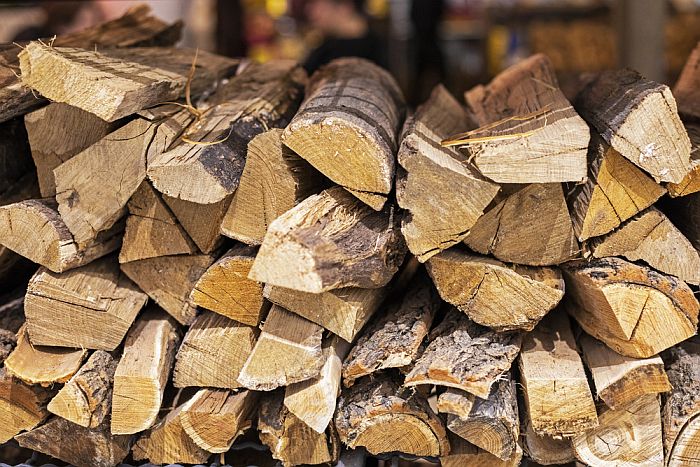
Heat-treated firewood is regular firewood that’s been heated in a kiln until the internal temperature of every log reaches about 140–160°F for a set amount of time. That controlled heat kills insects, larvae, eggs, fungal spores, and anything else that might be hiding inside the wood. There are no chemicals, no coatings, no additives — just heat. Once the pests are destroyed, the wood becomes safe to transport without risking the spread of invasive species.
This page may contain affiliate links; you can read our full disclosure.
Why Campgrounds Require It
If you’ve ever seen signs saying “Heat-Treated Firewood Only,” it’s not marketing fluff. Invasive insects like emerald ash borers and Asian longhorned beetles hitch rides inside untreated firewood. When people haul wood from home to a campground hours away, those pests come along for the trip, invade new forests, and cause serious damage. That’s why more state and national parks now outright ban outside firewood unless it’s certified heat-treated. It’s one of the simplest and most effective ways to protect forests.
How It Differs From Regular Kiln-Dried Wood
All heat-treated wood is kiln-dried, but not all kiln-dried wood meets the heat-treatment standard. Kiln-dried lumber for construction isn’t heated long enough or tested for pest elimination. Certified campfire wood will always have a label or stamp showing it passed heat-treatment requirements. Stores, gas stations, and campgrounds usually carry the certified stuff because it’s legal to move across regions.
Why Heat-Treated Wood Burns Better
One huge perk: it burns beautifully. The kiln process removes excess moisture, which means the wood catches more easily, burns hotter, and produces less smoke. If you’ve ever fought with damp, smoky logs that hiss and smolder for half an hour, you’ll notice the difference immediately. It also produces fewer sparks and leaves less half-charred residue behind, making cleanup easier for both campers and the campground.
Transport Rules You Should Know
Untreated firewood often can’t legally cross county or state lines. Some parks will even confiscate it at check-in. These rules aren’t random — they directly target pest spread. The safest move is simple: buy heat-treated wood near the place you’re camping, or grab a bundle from the campground store when you arrive. You’ll follow regulations, avoid spreading insects, and get better-burning wood at the same time.
Long-Term Storage Benefits
Heat-treated firewood is also ideal for home storage. Since all insects and larvae are already eliminated, you won’t bring hidden pests into your garage or shed. It lasts longer, stays cleaner, and doesn’t rot as quickly as untreated wood. For people who camp often or enjoy backyard fires, it’s the easiest wood to store without creating an insect hotel.
Why It Matters for Campers
In short: heat-treated firewood protects forests, burns better, and is easier to store and transport. When a campground requires it, they’re not being picky — they’re preventing real ecological problems. And since it lights faster and produces a hotter, cleaner flame, it actually improves your campfire experience too.