
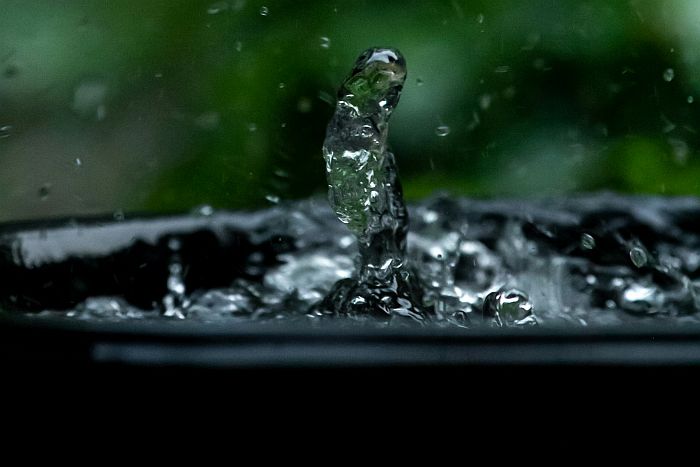
When you’re out in the rain, it’s tempting to think, “Hey… this is basically clean water, right?” Rainwater starts out clean when it forms in the atmosphere, but the moment it travels through air full of microscopic particles, hits surfaces, or lands in a dirty container, it can pick up contaminants you don’t want to drink.
This page may contain affiliate links; you can read our full disclosure.
That doesn’t mean you can’t drink rainwater — it just means you need to understand how to collect it safely, what affects its purity, and how to treat it before you rely on it for hydration outdoors.
If you’ve ever wondered whether you can just drink from the sky or scoop water off your tarp, here’s what actually matters.
Rainwater Isn’t Pure — But It Can Be Safe
Rain begins as distilled water created by evaporation. As it falls, it collects dust, spores, pollution, bacteria, and whatever else is floating in the air. The cleaner the region, the cleaner the rain — but it’s never completely sterile.
Once rain lands on a surface, the contamination risk grows fast. Leaves, dirt, bird droppings, tents, tarps, and roofs all introduce things you don’t want to ingest.
The real safety question isn’t “Is rain safe?” but “Is the way you collected it safe?”
Direct Collection Is the Safest Method
When rain falls straight into a clean bottle, pot, or container, that’s the best-case scenario. It hasn’t touched anything except the atmosphere, and contamination levels are generally low.
Even then, treat it:
- Boil it
- Filter it through a biological water filter
- Use a UV purifier
Properly treated, directly collected rainwater becomes very clean drinking water.
Problems arise when rainwater is collected after it hits a surface. Tarps, tents, and roofs collect debris, pollen, dust, and droppings, and all of that washes into your water.
Treat Rainwater Like Any Other Wild Water Source
Rainwater looks cleaner than river or lake water, but once it touches gear or the ground, the risks are the same. Treat it just as you would any natural water source.
Reliable treatment methods include:
- Boiling — the most dependable option
- Filtration — removes microorganisms and debris
- UV purification — fast and effective
- Chemical treatment — slower but works in a pinch
Gear That Makes Rainwater Collection Easier
You don’t need specialized gear, but a couple tools make the process smoother on multi-day trips:
Collapsible rainwater collection bag: Designed to gather water straight from the sky without touching dirty surfaces. Great during storms when you want volume fast.
Gravity-based water purifier: Pour rainwater into the top reservoir, hang it, and let gravity pull it through a purification membrane. No pumping or squeezing required.
Avoid Water From Surfaces — It’s Almost Always Contaminated
Rain that flows over a roof, tarp, branch, or the ground instantly picks up whatever was sitting there — dirt, droppings, insects, pollen, mold spores, and chemical residue.
If you must collect from a tarp, let the rain wash it clean for several minutes before capturing water. But the safest rule is simple:
Direct-from-the-sky or nothing.
Even Clean Rain Needs Safe Storage
After collecting and treating rainwater, store it properly. Use a clean, sealed bottle, keep it shaded, and use it within a reasonable timeframe. Leaving it uncovered invites dust, bugs, and airborne contaminants.
What About Drinking Rain Straight From the Sky?
In remote wilderness areas with clean air, catching rain in your mouth carries low risk. In cities or industrial areas, the rain may pick up enough airborne pollutants to irritate your system.
In a true emergency, do what you must. But for regular camping hydration, collect and treat it properly.
Final Thoughts
Rainwater isn’t the pristine wilderness drink people imagine, but it’s absolutely usable if you handle it correctly. Collect it directly, avoid dirty surfaces, treat it like any other wild water source, and store it safely.
Tools like collapsible collection bags and gravity purifiers simply make the process easier. What matters most is knowing how contamination happens and removing those risks before drinking.
Handled the right way, rainwater can become one of the easiest and safest water sources you’ll ever use outdoors.