
This page may contain affiliate links; you can read our full disclosure.
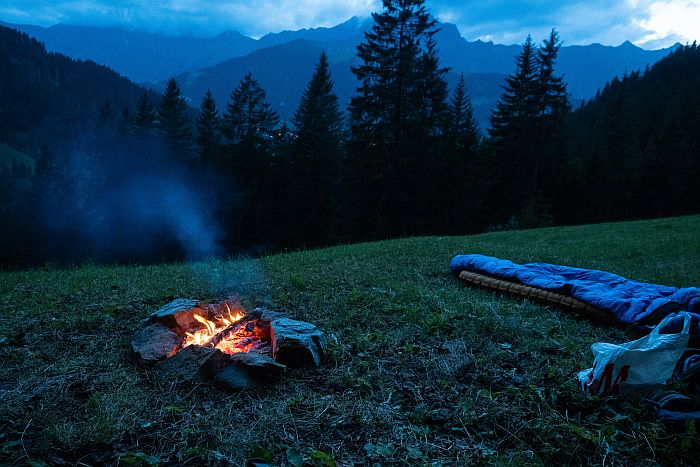
Cowboy camping is one of those outdoor experiences that either sounds thrilling or insane, depending on how much luxury a person expects from a night outside. No tent, no walls, no zippers, no rainfly — just you, your sleeping bag, the open sky, and whatever the night decides to throw at you. It’s the oldest form of camping we have, and it still delivers something modern shelters can’t: a direct, uninterrupted connection to the outdoors that feels raw, simple, and unforgettable.
The appeal isn’t complicated. Cowboy camping strips camping down to its backbone. There’s no setup, no extra weight, no worrying about which pole goes where. You lay out your pad and bag, settle under the stars, and let the world around you settle into place. Even people who love their tents — and let’s be honest, a tent is basically a portable bedroom — admit there’s something different about sleeping directly under the night sky.
But cowboy camping isn’t just “sleep outside and hope for the best.” There’s a right way to do it, a smart way to do it, and a few mistakes to avoid if you want your night to feel like an adventure instead of a chaotic regret. This guide walks you through everything you need to know before ditching the tent and going full minimalist.
What Cowboy Camping Feels Like
There’s a moment right after you lie down where everything goes quiet. You hear the wind move through the grass, you feel the temperature shift as the sun disappears, and the stars start showing up one after another until the sky looks like it was overfilled on purpose. Some nights, you’ll fall asleep staring at a sky so clear it feels impossible. Other nights, you’ll hear animals walking around, owls calling, branches cracking, or the distant rush of water.
Cowboy camping forces you to engage with the outdoors instead of walling yourself off from it. For a lot of campers, that’s exactly the point.
Choosing the Right Spot
Picking your sleeping spot is the most important part of cowboy camping. Unlike tent camping, you don’t have walls or a floor protecting you — so where you sleep matters more than anything.
Dry, flat ground is the first requirement. Avoid low pockets, depressions, and anywhere water might collect. Even a light mist or early-morning moisture can turn a comfortable night into a soggy one.
Wind exposure matters too. A light breeze helps with condensation and bugs, but strong gusts can make sleeping miserable. Look for natural windbreaks like shrubs, small trees, or rock formations. You’re not looking for total shelter — just enough to take the edge off.
Avoid sleeping under dead branches or unstable trees, especially in forests. Cowboy camping is supposed to be peaceful, not a “hope this tree limb doesn’t crush me at 3 a.m.” situation.
Most people prefer sleeping with at least a small view of open sky. It’s optional, but it’s part of the magic.
Staying Dry Without a Tent
Moisture is the number one enemy of cowboy campers. Rain obviously ends the adventure fast, but condensation and dew are the sneaky problems most beginners underestimate.
Airflow is your best defense. Open terrain with gentle movement keeps moisture from settling on your sleeping bag. A bivy sack or water-resistant shell adds insurance, but dew can still creep in if you camp in a low spot.
Cloudy nights often mean more moisture. Clear skies are ideal, which is why experienced cowboy campers obsess over weather forecasts.
If rain threatens, a minimalist backup like a quickly pitched tarp or a rain jacket over your upper body can save the night. True cowboy camping only happens when conditions look solid.
What to Bring
Cowboy camping is minimalist, not careless. You still need the right basics.
A sleeping pad is non-negotiable. It insulates you from the ground and prevents heat loss. A good pad often matters more than the sleeping bag itself.
A quality sleeping bag comes next. Temperature ratings matter more without tent walls trapping warm air, and open nights get colder than most people expect.
A groundsheet or lightweight bivy adds moisture protection and keeps dirt and bugs from getting too friendly.
Headlamp, knife, water, and basic layers still belong in your setup. The goal is removing shelter bulk, not abandoning common sense.
Bug protection matters. Depending on season and location, mosquitoes can ruin the experience fast. Head nets or lightweight hooded layers help keep you from becoming midnight protein.
Dealing With Wildlife and Night Sounds
You’ll hear everything. Every snap, rustle, and footstep. And your brain will immediately assume it’s a bear, a mountain lion, or a ghost with unfinished business.
In reality, most noises come from small animals — mice, raccoons, deer, birds shifting around, or bugs moving through leaves.
Food storage matters more without a tent. Keep food sealed and stored well away from where you sleep. Animals aren’t interested in you — they want your snacks.
In bear country, follow the same food storage rules you would when tent camping. Cowboy camping doesn’t change wildlife behavior.
Why People Love Cowboy Camping
There’s a freedom to it that tents can’t match. No setup, no extra weight, no barrier between you and the stars. You fall asleep under the sky and wake up with the sunrise warming your face.
It’s also a reset for people who want simplicity. Gear lists and setups have their place, but cowboy camping removes almost all logistics so you can just exist outside for the night.
Backpackers love the weight savings. Car campers love how memorable it feels. Kids think it’s adventurous. Adults feel nostalgic. Anyone who does it under the right conditions walks away with a story.
When Not to Cowboy Camp
Cowboy camping isn’t always the right call. Skip it when thunderstorms are possible, humidity is extreme, bugs are relentless, or high winds are expected. In unpredictable weather, bring at least a tarp.
Avoid areas near livestock, anthills, dense brush, or places where snakes shelter. Open ground, forest edges, and clear, dry nights are ideal.
Final Takeaway
Cowboy camping is one of the purest outdoor experiences you can have. It’s fast, lightweight, and deeply rewarding. You lay out your pad, slide into your bag, and the world feels bigger and quieter all at once.
It’s not for every night or every place, but when conditions line up, cowboy camping delivers something you’ll remember long after you pack up and head home.
