
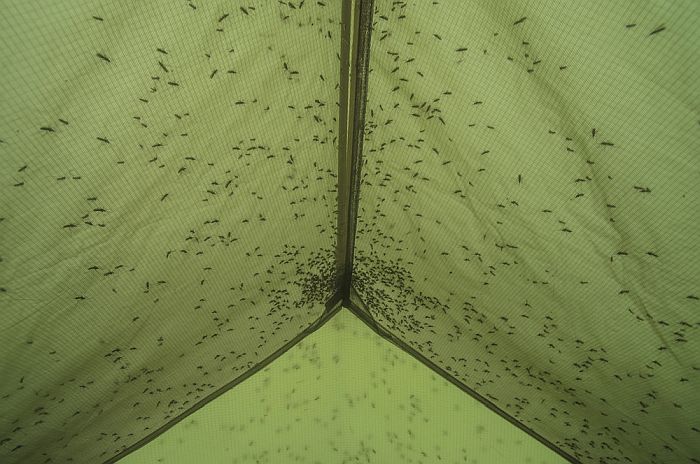
Few things ruin a good night outdoors faster than discovering a mosquito circling inside your tent. Once bugs get in, the whole vibe changes — suddenly every sound feels suspicious, every itch feels dramatic, and you spend half the night doing flashlight sweeps like a paranoid campground detective. But keeping insects outside isn’t complicated. It just takes a little strategy and a few habits that turn your tent into an actual refuge instead of part of the local bug ecosystem.
This page may contain affiliate links; you can read our full disclosure.
Keeping bugs out isn’t about gimmicks or complicated gear lists. Most of the work comes down to where you pitch your tent, how you treat your entryway, how you manage your lights, and how much scent you bring inside. Once those things fall into place, you’ve solved most of the problem before opening a bottle of bug spray.
Choose a Smarter Campsite
Your bug situation is heavily influenced by where you set up camp. Pitch your tent near stagnant water, swamps, puddles, thick brush, or low-shade areas, and you’re camping in the exact place where insects breed and swarm. Even ten feet away from better ground can make a big difference.
A slightly elevated, dry patch with a gentle breeze is ideal. Bugs struggle in moving air, and dry soil doesn’t pump humidity into your tent. You don’t need perfection — just avoid the obvious bug hotspots.
Bring the Bugs Somewhere Else (A Lantern That Does the Job)
Before you even get to the tent itself, one simple tool can shift the entire insect situation: a bug-repelling camping lantern. Unlike standard lanterns that attract every flying creature within eyesight, these create a small protective zone that encourages bugs to hover away from your tent instead of around it. Set one up where you cook or relax, about ten to fifteen feet from your sleeping area, and you’ll instantly notice fewer insects hovering around your tent door.
People tend to underestimate how big a difference this makes. It gives you a controlled space where bugs don’t swarm your headlamp or lantern — and it reduces how many slip inside when you enter the tent. It’s not mandatory, but once you use one, it becomes part of the ritual.
Keep the Door Closed at All Times
This is the #1 habit that separates bug-free campers from bug-battling ones. The tent door stays zipped unless someone is actively walking through it. Even a two-second gap is enough for a half-dozen mosquitoes to smell opportunity and dart inside.
This becomes especially important after dusk. If there’s light inside your tent and the door opens, you’ve basically announced “free entry.” Make it second nature: unzip, step in, zip. Same for getting out.
Manage Your Lights at Night
Bugs are drawn to light like it’s a grand opening. If you turn on an interior lantern before the tent is sealed, everything with wings will race toward it. The fix is simple: keep your tent lights off until the door is shut.
Sort gear outside with a headlamp, keep lanterns low or shielded, and only flip on interior lighting once you’re zipped up.
This is also where a Thermacell Radius quietly earns its keep. Instead of spraying chemicals or burning coils, it creates a low-key protective zone that makes bugs lose interest in the area around your tent.
Keep Food and Scents Out of the Tent
The tent should be a scent-free environment. Food, snacks, wrappers, lotions, flavored drinks, gum, and anything with smell stays outside. If bugs sense sweetness or leftover crumbs inside your tent, they will absolutely try to get inside. Even ants will follow a tiny sugar trail straight onto your sleeping bag if you give them a reason.
You sleep better, breathe better, and deal with fewer pests when you treat the tent like a clean zone.
Shake Out Every Piece of Gear Before Bringing It Inside
Bugs love crawling into boots, backpacks, and clothing resting on the ground. Before anything enters the tent, give it a quick shake. It’s a simple habit that prevents a lot of drama later.
Boots especially deserve attention — spiders and beetles treat them like rent-free condos. A two-second shake outside beats discovering a surprise guest at 3 a.m.
Keep Your Tent Sealed and Maintained
Even a good zipper won’t help you if the tent mesh has tiny holes or worn-out seams. Bugs don’t need much of an opening. If you’ve got an older tent, a quick inspection goes a long way. Look for tiny tears in the mesh or fraying spots around the door.
If there’s damage, patch it before the trip. A seal is a seal — and if your tent is airtight against insects, the battle is mostly won.
Maintain a Clean, Dry Tent Interior
Mess invites bugs. So does moisture. A tent with crumbs, wrappers, wet socks, and clutter gives insects everything they need: humidity, food smells, and hiding spots. Shake out the tent floor daily. Keep dirty gear in the vestibule. Hang wet clothes outside or on a line.
A clean tent is way less interesting to bugs — and way nicer to sleep in.
Ventilation Helps More Than You Think
Proper airflow keeps the tent from getting humid inside, which makes it less appealing to tiny insects. Crack vents where possible. Use the mesh areas on warm nights. A little airflow keeps condensation down and helps bugs stay uninterested in the interior.
Final Thoughts
Keeping bugs out of your tent comes down to smart setup, disciplined entry habits, and controlling light and scent. Those simple methods solve most problems on their own. But when conditions get buggy enough that you feel like the air itself wants to bite you, tools like a bug-repelling lantern or a Thermacell Radius give you an edge that makes the whole campsite calmer.
When the tent is zipped, clean, sealed, and surrounded by smart habits, it becomes the peaceful place it should be — a quiet, comfortable retreat where the only buzzing you hear is the zipper.