
This page may contain affiliate links; you can read our full disclosure.
If you ever find yourself short on food while camping, hiking, or dealing with a real survival situation, cattails are one of the most valuable wild plants you can come across. They’re widespread, easy to identify, and—unlike many wild edibles—multiple parts of the plant are actually useful as food.
Cattails won’t taste like a five-star meal, but survival isn’t about flavor. It’s about calories, reliability, and not poisoning yourself. On all three counts, cattails do surprisingly well.
This article explains what parts of cattails you can eat, how to prepare them safely, and when they’re worth the effort—without romanticizing the process or pretending you’re going to live off them forever.
What Are Cattails?
Cattails (Typha species) are tall wetland plants found throughout most of North America. You’ll usually see them growing in:
- Marshes
- Pond edges
- Lake shorelines
- Slow-moving creeks
- Swamps and wetlands
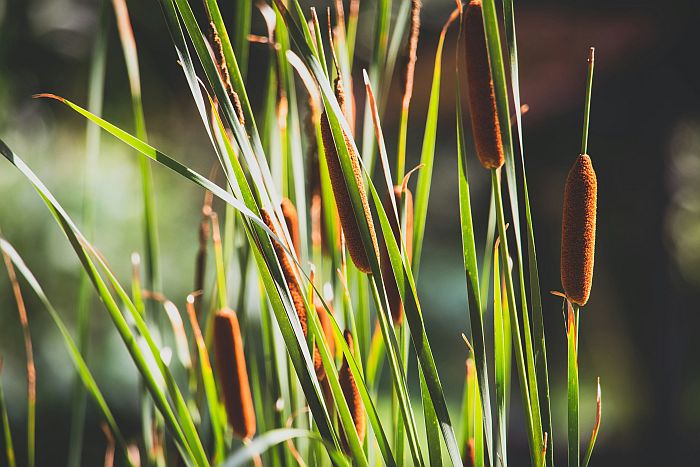
They’re easy to recognize. Long, flat green leaves grow upward from the base, and a thick brown seed head—often compared to a corndog or hotdog—forms near the top of the stalk.
That clear identification is one of the reasons cattails are so valuable in survival situations. When food is scarce, confidence matters. Guessing wrong with wild plants can end badly.
Are Cattails Safe to Eat?
Yes—when harvested from clean water and prepared correctly.
Cattails themselves are not poisonous. The main risk comes from where they grow, not the plant itself. Wetlands can collect runoff, chemicals, and heavy metals, especially near:
- Roads
- Industrial areas
- Agricultural fields
- Urban drainage ditches
If the water smells foul, looks oily, or is downstream from obvious pollution, do not harvest there. In a survival situation, contaminated food can cause more problems than hunger.
Which Parts of a Cattail Are Edible?
Cattails are sometimes called the “supermarket of the swamp” because several different parts of the plant can be eaten at different times of the year.
Young Shoots (Early Spring)
In early spring, cattails send up new shoots from the base. These shoots are white and tender near the bottom.
To eat them:
- Pull the shoot from the muddy base
- Peel away the tough green outer layers
- Eat the white inner core
They can be eaten raw or lightly cooked.
The taste is mild—slightly sweet, similar to cucumber or hearts of palm. They won’t fill you up on their own, but they’re quick calories with minimal effort.
Rhizomes (Roots) – The Most Important Part
The rhizomes are the underground horizontal roots, and they’re the most valuable food source the plant provides.
This is where cattails shine in survival scenarios.
Rhizomes contain a significant amount of starch, which means real energy, not just fiber. However, they aren’t eaten like carrots or potatoes.
To use cattail rhizomes:
- Dig them up from the muddy soil
- Rinse off as much mud as possible
- Crush or pound them in water
- Strain the liquid
- Let the starch settle at the bottom
- Pour off the water and keep the starch
The starch can be dried and used like flour or cooked into a paste or porridge.
This process takes effort, but in a long-term survival situation, it’s one of the few plant-based calorie sources that’s actually worth the work.
Immature Flower Spikes (Late Spring / Early Summer)
Before the familiar brown seed head forms, the flower spike is green and soft.
- Boiled
- Steamed
- Eaten like corn on the cob
They don’t taste like much, but they provide fiber and some nutrients. Think of them as filler food rather than a primary calorie source.
Pollen (Mid to Late Summer)
When cattails release bright yellow pollen, it can be collected by shaking the flower head into a container.
The pollen can be mixed with other flours or added to foods as a thickener. It’s not a complete flour replacement, but it does provide additional nutrients.
This is more useful in planned foraging than emergency survival, but it’s another example of how versatile the plant is.
What You Should NOT Eat
- The brown fluffy seed head is not edible
- Old, woody stalks provide no nutrition
- Any part of the plant from contaminated water should be avoided
Also, do not confuse cattails with similar-looking plants like iris. Some wetland plants are toxic, and positive identification matters.
Are Cattails Worth Eating in a Survival Situation?
Yes—but with realistic expectations.
Cattails are not:
- A quick meal replacement
- A high-protein food
- A one-plant survival solution
They are:
- Reliable
- Widely available
- Calorie-positive (especially the roots)
- Easy to identify
- Useful beyond food
In addition to being edible, cattails can be used for:
- Shelter insulation
- Cordage
- Fire tinder
- Bedding material
That multi-use value is what makes them especially useful when resources are limited.
The Bottom Line
So—can you eat cattails for survival?
Absolutely.
They won’t be delicious, and they won’t make survival easy, but they can keep you fueled when options are limited. If you understand which parts to harvest, how to prepare them, and when they’re worth the effort, cattails are one of the safest and most dependable wild food sources available to campers and outdoorsmen.
They’re not glamorous.
They’re not trendy.
But they work—and in survival, that’s what matters.
