
Backpacking Packs for Multi-Day Hiking & Camping
Backpacking packs for multi-day hiking and camping are designed to carry everything you need for overnight and extended trips. Built for heavier loads, long distances, and all-day comfort, these packs use internal frames and supportive hip belts to handle real backcountry travel without breaking you down.
This page may contain affiliate links; you can read our full disclosure.
Showing all 16 results
-
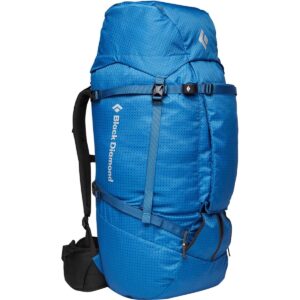
Black Diamond Mission 55L Backpack
Check Price On Backcountry -
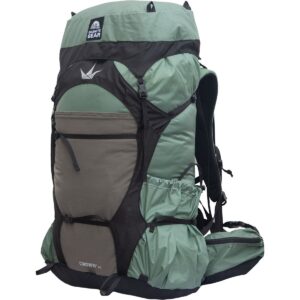
Granite Gear Crown 3 60L Backpack – Women’s
Check Price On Backcountry -
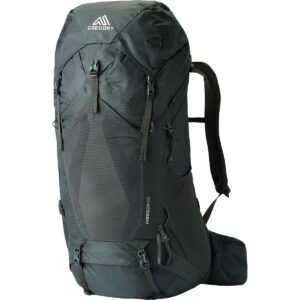
Gregory Paragon 60L Backpack
Check Price On Backcountry -
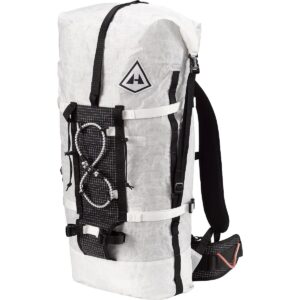
Hyperlite Mountain Gear Ice 55L Backpack
Check Price On Backcountry -
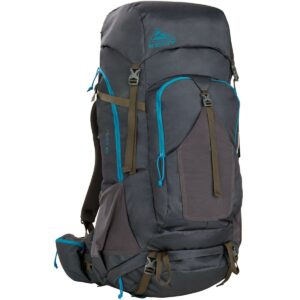
Kelty Asher 85L Backpack
Check Price On Backcountry -
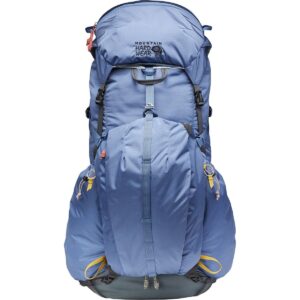
Mountain Hardwear PCT 50L Backpack – Women’s
Check Price On Backcountry -
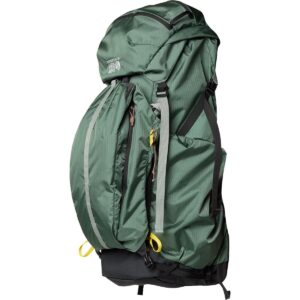
Mountain Hardwear PCT 55L Backpack
Check Price On Backcountry -
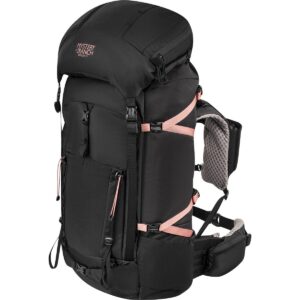
Mystery Ranch Bridger 55L Backpack – Women’s
Check Price On Backcountry -
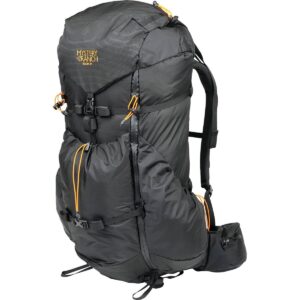
Mystery Ranch Radix 47L Backpack
Check Price On Backcountry -
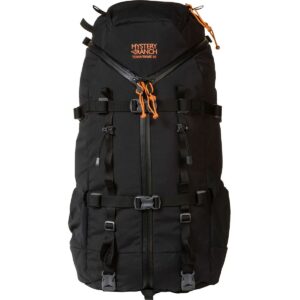
Mystery Ranch Terraframe 3-Zip 50L Backpack
Check Price On Backcountry -
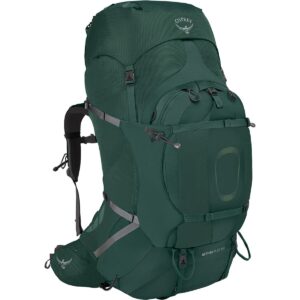
Osprey Aether Plus 100L Backpack
Check Price On Backcountry -
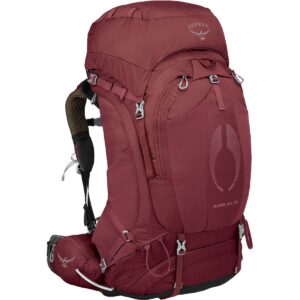
Osprey Aura AG 65L Backpack – Women’s
Check Price On Backcountry -
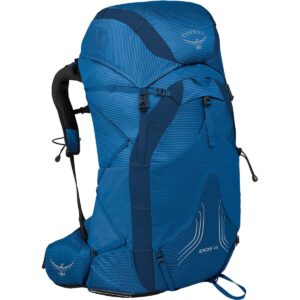
Osprey Exos 48L Backpack
Check Price On Backcountry -
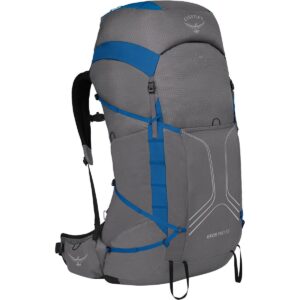
Osprey Exos Pro 55L Backpack
Check Price On Backcountry -
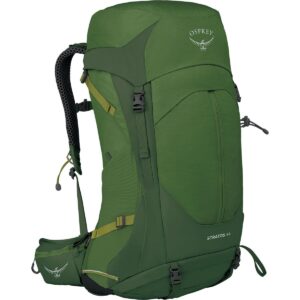
Osprey Stratos 44L Backpack
Check Price On Backcountry -
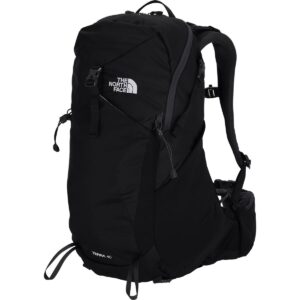
The North Face Terra 40L Backpack
Check Price On Backcountry
Read more
Backpacking packs for multi-day hiking and camping are built to carry everything you need when you’re spending one or more nights on the trail. These packs are designed for heavier loads, longer distances, and sustained comfort — not quick hikes or daily use. If you’re hauling a tent, sleeping system, food, water, and extra layers, a true backpacking pack isn’t optional. It’s mandatory.
Unlike daypacks or everyday backpacks, multi-day backpacking packs are engineered to transfer weight to your hips, stabilize bulky gear, and stay comfortable after hours of movement. Choosing the right one can mean the difference between finishing a trip strong or counting the miles until misery ends.
What Defines a Backpacking Pack?
A backpacking pack is purpose-built for overnight and extended trips, typically ranging from one night to multiple weeks. These packs prioritize load management, durability, and fit over simplicity or style.
Most backpacking packs share a few non-negotiable traits:
- Higher capacity to carry full camping setups
- Internal frame systems to support heavier loads
- Structured hip belts to shift weight off the shoulders
- Adjustable suspension to fit different torso lengths
- Durable materials that hold up to abrasion and weather
If a pack doesn’t do these things well, it’s not a true backpacking pack — no matter how it’s marketed.
Backpacking Pack Capacity Explained
Capacity is one of the first things to get right. Too small, and you’ll be strapping gear to the outside. Too large, and you’ll carry extra weight you don’t need.
For most backpackers:
- 40–50L: Ultralight or minimalist multi-day trips
- 55–65L: The sweet spot for most backpackers
- 70–80L: Cold weather, longer trips, or bulky gear
Your ideal capacity depends on your gear volume, trip length, and conditions. Winter trips, bear canisters, or group gear usually push people toward larger packs.
Internal Frame and Load Support
Multi-day backpacking packs almost always use an internal frame, typically made from aluminum stays, plastic framesheets, or a combination of both. The frame keeps the pack rigid under load and helps transfer weight to the hip belt instead of your shoulders.
This matters more than most people realize. A pack that lacks proper structure might feel fine at 20 pounds, but once you cross 35–40 pounds, poor load transfer becomes painfully obvious.
Look for packs with:
- Defined frame structure
- Load lifter straps
- Reinforced hip belt anchoring
These features work together to keep the pack stable and comfortable over long distances.
Fit and Comfort for Long Days on the Trail
Fit is more important than brand, price, or features. A well-fitting backpacking pack carries weight efficiently and minimizes fatigue.
Key fit considerations include:
- Torso length adjustment for proper frame alignment
- Hip belt fit that wraps securely around your hips
- Shoulder straps that contour without digging in
- Back panel ventilation to reduce heat buildup
A pack should feel balanced and stable, not top-heavy or loose. If the hip belt isn’t carrying most of the load, the pack isn’t adjusted — or it isn’t the right size.
Storage, Access, and Organization
Backpacking packs are designed to carry a lot of gear, but good organization makes that load manageable.
Common storage features include:
- Top-loading main compartments
- Bottom sleeping bag compartments
- Stretch mesh front pockets
- Side water bottle pockets
- Lid pockets for quick-access items
Some packs also include side zips or front panel access, which can be helpful for retrieving gear without unloading everything.
The goal isn’t maximum pockets — it’s smart access to the gear you actually use during the day.
Durability and Trail Readiness
Multi-day hiking puts serious stress on gear. Backpacking packs are built with tougher fabrics, reinforced stitching, and stronger zippers than casual backpacks.
Durability matters when your pack is:
- Scraped against rocks
- Set down on rough ground
- Exposed to rain, dirt, and UV
- Loaded repeatedly over long trips
Lightweight packs exist, but they still need to survive real trail use. Striking the right balance between weight and durability is key.
Choosing the Right Backpacking Pack
The best backpacking pack is the one that fits your body, matches your gear volume, and stays comfortable for the length of your trip. Ignore marketing buzzwords and focus on fundamentals: fit, capacity, frame support, and comfort under load.
Whether you’re planning weekend overnighters or extended backcountry trips, a properly chosen backpacking pack becomes part of your system — not something you fight against mile after mile.
Browse our selection of backpacking packs for multi-day hiking and camping to find options built for real trail use, heavy loads, and long-distance comfort.