
Day Packs for Camping, Hiking, and Travel
Day packs for camping, hiking, and travel are built for short trips, light loads, and all-day comfort. Designed to carry essentials like water, food, and extra layers, these versatile packs balance mobility and storage, making them ideal for day hikes, campground exploring, and everyday travel use.
This page may contain affiliate links; you can read our full disclosure.
Showing all 16 results
-
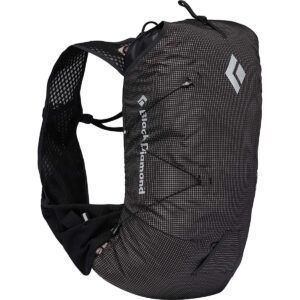
Black Diamond Distance 15L Backpack
Check Price On Backcountry -
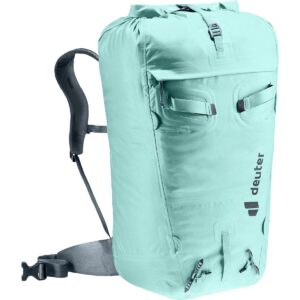
Deuter Durascent SL 28L Backpack – Women’s
Check Price On Backcountry -
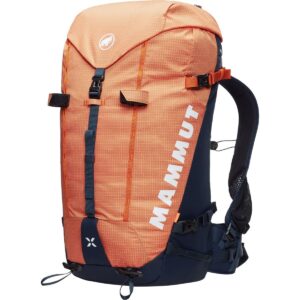
Mammut Trion 38L Backpack
Check Price On Backcountry -
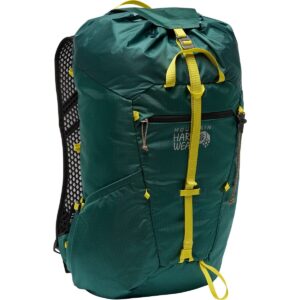
Mountain Hardwear UL 20L Backpack
Check Price On Backcountry -
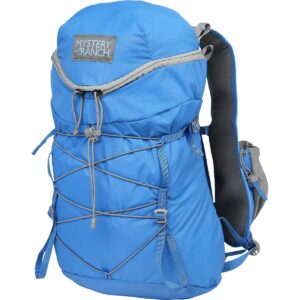
Mystery Ranch Gallagator 15L Backpack
Check Price On Backcountry -
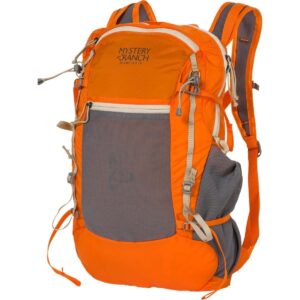
Mystery Ranch In & Out 19L Backpack
Check Price On Backcountry -
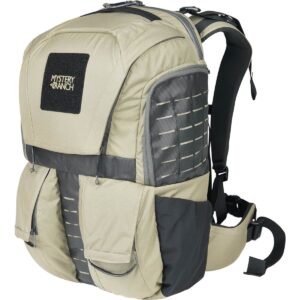
Mystery Ranch Rip Ruck 32L Daypack
Check Price On Backcountry -
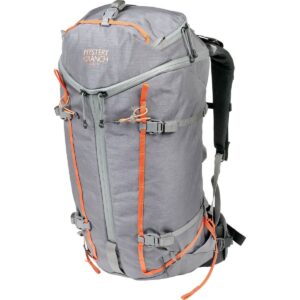
Mystery Ranch Scree 33L Backpack – Women’s
Check Price On Backcountry -
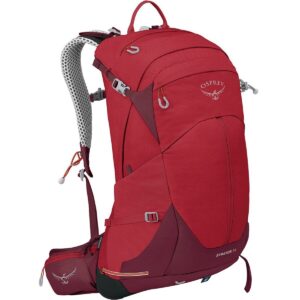
Osprey Stratos 24L Backpack
Check Price On Backcountry -
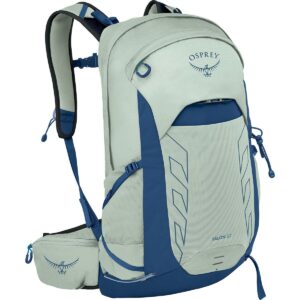
Osprey Talon 22L Backpack
Check Price On Backcountry -
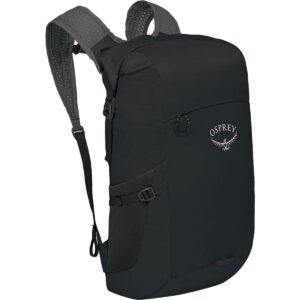
Osprey Ultralight 20L Dry Pack
Check Price On Backcountry -
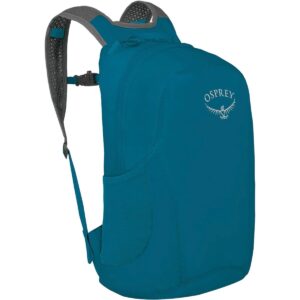
Osprey Ultralight Stuff Pack
Check Price On Backcountry -
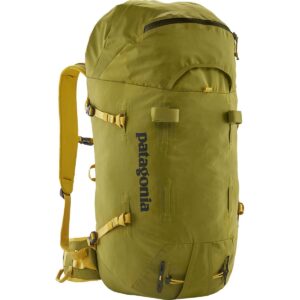
Patagonia Ascensionist 55L Backpack
Check Price On Backcountry -
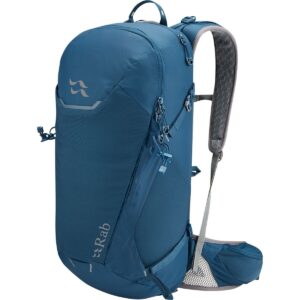
Rab Aeon 27L Backpack
Check Price On Backcountry -
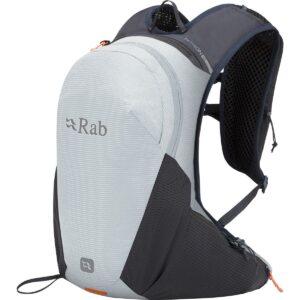
Rab Nitron 12 Backpack
Check Price On Backcountry -
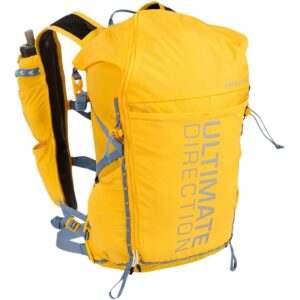
Ultimate Direction Fastpack 20L Backpack
Check Price On Backcountry
Read more
Day packs for camping, hiking, and travel are designed for short trips, light loads, and all-day comfort. These packs are built to carry essentials like water, food, extra layers, and personal gear without the bulk or structure of a full backpacking pack. Whether you’re heading out for a day hike, exploring a campground, or navigating airports and cities, a good day pack keeps things simple and efficient.
Unlike larger backpacking packs, day packs prioritize mobility, lightweight construction, and quick access. They’re meant to move with you, not slow you down.
What Is a Day Pack?
A day pack is a smaller backpack intended for single-day use across a variety of activities. While designs vary, most day packs fall into the 15–35 liter range and are built for comfort during several hours of wear.
Day packs are commonly used for:
- Day hiking and short trail outings
- Camping trips where base camp is established
- Travel, sightseeing, and carry-on use
- Daily outdoor or hybrid use
They sit between technical performance and everyday practicality, making them one of the most versatile pack categories.
Day Pack Capacity and Typical Load
Choosing the right capacity depends on what you plan to carry and how long you’ll be out.
Common capacity ranges include:
- 15–20L: Minimalist day hikes, travel essentials
- 20–25L: Standard day hikes and casual travel
- 25–35L: Longer days, extra layers, or bulkier gear
A properly sized day pack should comfortably hold water, food, weather layers, navigation tools, and personal items without feeling overstuffed or sagging under weight.
Comfort and Carry Design
Comfort matters even with lighter loads. A well-designed day pack should feel balanced, stable, and easy to wear for hours at a time.
Key comfort features to look for include:
- Contoured shoulder straps
- Breathable back panels
- Lightweight padding in high-contact areas
- Sternum straps for added stability
Some day packs also include simple hip belts or waist straps. These don’t carry weight like backpacking packs, but they help reduce bounce during active movement.
Day Packs for Hiking
For hiking, day packs are built to handle uneven terrain and continuous movement. Hiking-focused models often feature streamlined shapes that stay close to the body, preventing shifting or snagging on brush.
Common hiking-oriented features include:
- Hydration bladder compatibility
- External attachment points for trekking poles
- Durable fabrics for trail use
- Weather-resistant materials or coatings
These packs are designed to be worn while moving, climbing, and navigating varied terrain without getting in the way.
Day Packs for Camping
When camping, day packs are typically used for short hikes, supply runs, or exploring the area around camp. Comfort and convenience matter more than technical performance.
Camping-friendly day packs often prioritize:
- Easy-access pockets
- Room for extra layers or snacks
- Comfortable carry over shorter distances
- Simple organization
They’re ideal for day excursions when you don’t need to haul your entire camp setup.
Day Packs for Travel
Travel day packs focus on versatility and organization. They’re commonly used as carry-ons, personal bags, or walking packs once you reach your destination.
Travel-oriented features may include:
- Streamlined designs that fit under seats
- Internal organization for documents and electronics
- Secure zippered pockets
- Lightweight construction for all-day wear
Many people choose one day pack that can transition from trail to travel without looking out of place.
Durability and Everyday Use
Day packs still take abuse, especially when used across multiple activities. Quality construction, reinforced stitching, and reliable zippers make a big difference over time.
Even lightweight day packs should be able to handle:
- Regular loading and unloading
- Contact with rough surfaces
- Exposure to weather and dirt
- Frequent use across seasons
Durability doesn’t mean heavy — it means well-built.
Choosing the Right Day Pack
The right day pack depends on how you plan to use it. Focus on capacity, comfort, and versatility rather than chasing unnecessary features. A good day pack should disappear on your back while still keeping everything you need within easy reach.
Browse our selection of day packs for camping, hiking, and travel to find options designed for comfort, mobility, and everyday outdoor use.