
Headlamps For Tent Camping And Night Use
Headlamps for tent camping and night use are essential when you’re working inside a tent or moving around camp after dark. The right headlamp provides controlled, hands-free light without blinding others or ruining night vision. This guide focuses on practical features that actually matter for tent camping and short nighttime walks.
This page may contain affiliate links; you can read our full disclosure.
Showing all 8 results
-
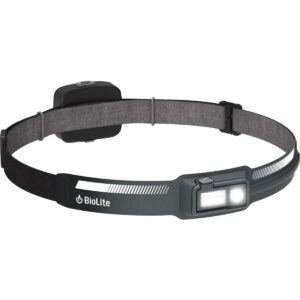
BioLite Dash 450 Rechargeable HeadLamp
Check Price On Backcountry -
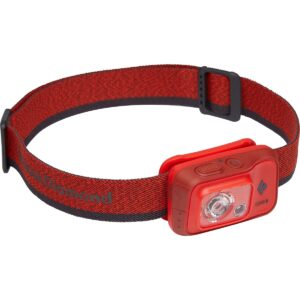
Black Diamond Cosmo 350-R Headlamp
Check Price On Backcountry -
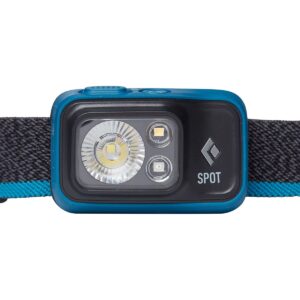
Black Diamond Spot 400 Headlamp
Check Price On Backcountry -
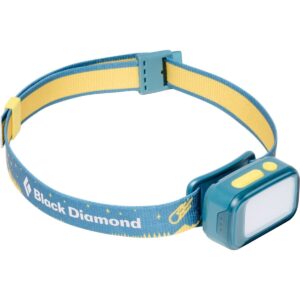
Black Diamond Wiz Kid Headlamp – Kids’
Check Price On Backcountry -
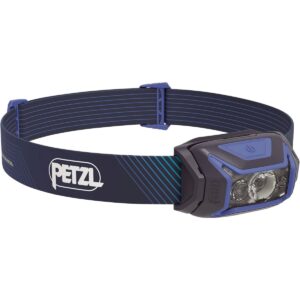
Petzl Actik Core Headlamp
Check Price On Backcountry -
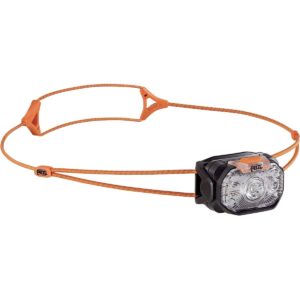
Petzl Swift LT Headlamp
Check Price On Backcountry -
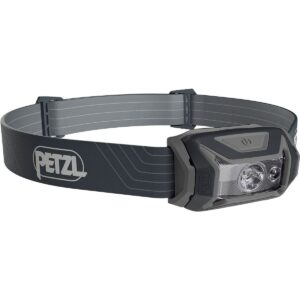
Petzl Tikka Headlamp
Check Price On Backcountry -
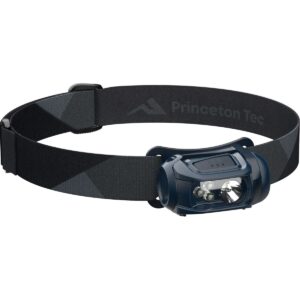
Princeton Tec Remix Headlamp
Check Price On Backcountry
Read more
A good headlamp is one of the most useful pieces of camping gear you can own, especially when you’re tent camping at night. Inside a tent, around camp, or during short nighttime walks, the right headlamp makes everything easier without blinding everyone around you.
This guide focuses specifically on headlamps for tent camping and night use, where close-range lighting, comfort, and battery life matter more than extreme brightness.
Why Headlamps Matter More at Night While Tent Camping
Tent camping puts you in close quarters. You’re working inside a small space, often with other people nearby, and usually after dark. A headlamp works better than a flashlight in these situations because it provides hands-free lighting that follows where you’re looking.
At night, campers use headlamps for things like:
- Organizing gear inside the tent
- Cooking or cleaning up around camp
- Bathroom trips and short walks after dark
- Reading, packing, or adjusting equipment
In these scenarios, controlled light is far more important than raw power. The wrong headlamp can be uncomfortable, distracting, or downright annoying to use inside a tent.
What to Look for in a Headlamp for Tent Camping
Brightness Levels That Make Sense at Night
More lumens does not mean a better camping headlamp. Inside a tent, high brightness often creates glare, harsh reflections, and eye strain.
For tent camping:
- Low and medium brightness modes get used the most
- High output is rarely needed indoors
- Adjustable brightness is more useful than maximum output
A headlamp that lets you start on a low setting is far more practical at night than one that defaults to full brightness.
Beam Pattern for Inside Tents and Campsites
Beam shape matters more than people realize.
- Wide, even beams work best inside tents and around camp
- Narrow or tightly focused beams are better for distance but can be irritating in close spaces
For tent use, a smooth flood beam makes it easier to see without constantly adjusting your head or blinding others nearby.
Red Light Mode and Night Vision
Red light mode is one of the most useful features for night camping.
It helps by:
- Preserving night vision
- Reducing eye strain
- Being less disruptive to others
- Drawing less attention in quiet campsites
While not mandatory, a red light mode is especially helpful late at night or early in the morning when you want just enough light to see without fully waking yourself up.
Battery Life for Overnight and Multi-Night Trips
Battery life claims can be misleading because they’re often based on the lowest brightness setting.
For camping, what matters is:
- How long the headlamp lasts on low and medium modes
- Whether it can get through an evening and nighttime use
- How easy it is to recharge or replace batteries
A headlamp that lasts all night on a realistic brightness level is far more useful than one with impressive specs that drain quickly in real-world use.
Comfort for Long Wear Inside a Tent
When you’re wearing a headlamp for extended periods, comfort matters.
Look for:
- Lightweight designs
- Adjustable headbands that don’t pinch
- Low-profile housings that don’t bounce or shift
Inside a tent, even small discomforts become noticeable quickly.
Using a Headlamp Around Camp After Dark
Tent camping doesn’t stop at the tent door. Around camp, headlamps are used for cooking, walking between sites, gathering gear, and cleaning up after dark.
A good camping headlamp should:
- Provide enough light for short distances
- Offer stable brightness without flickering
- Be easy to adjust while wearing gloves or cold hands
Again, extreme brightness is rarely needed. Controlled, consistent light works better in camp environments.
Headlamps for Night Hiking and Walking Around Camp
While this page focuses on tent camping, many campers also walk trails, roads, or campground loops at night.
When a Tent Camping Headlamp Is Enough
A standard camping headlamp works well for:
- Short walks around camp
- Flat or familiar terrain
- Campground paths and roads
In these situations, a wide beam and moderate brightness are usually sufficient.
When You’ll Want a More Hiking-Focused Headlamp
For longer or more technical night hiking, you may want:
- Higher brightness capability
- A more focused beam
- Longer sustained runtime at higher output
If night hiking is a regular activity, it’s worth choosing a headlamp designed specifically for movement rather than close-range camp tasks.
Common Mistakes Campers Make With Headlamps at Night
Many camping frustrations come from simple mistakes.
Common issues include:
- Using high brightness inside the tent by default
- Shining headlamps directly at other people
- Forgetting to lock the power button during storage
- Draining batteries unnecessarily with high modes
Starting on low brightness and adjusting only when needed solves most of these problems.
Frequently Asked Questions
Are headlamps better than flashlights for tent camping at night?
Yes. Headlamps provide hands-free lighting, which is far more practical inside a tent and around camp. They make it easier to cook, organize gear, and move safely without juggling a flashlight.
How many lumens do you actually need for tent camping at night?
Inside a tent, low to medium brightness is usually enough. High-lumen modes are rarely needed indoors and often create glare. Around camp, moderate brightness works well for most tasks.
Is red light mode useful for camping?
Yes. Red light helps preserve night vision and is less disruptive in shared campsites. It’s especially helpful late at night or early in the morning.
Should I choose a rechargeable or battery-powered headlamp?
Rechargeable headlamps are convenient for short trips or when charging is available. Battery-powered headlamps are often easier to manage on longer trips where swapping batteries is more practical.
Do headlamps attract bugs at night?
Bright white light can attract insects, especially in warm weather. Using lower brightness levels or red light mode can help reduce bug attraction.
Can I use a tent camping headlamp for hiking at night?
Yes, for short walks or easy terrain. For longer or more technical night hikes, a headlamp with higher brightness and a focused beam is usually a better option.
How long should a headlamp battery last for camping?
A good camping headlamp should last through an evening and nighttime use on low or medium settings. Battery life depends heavily on brightness level, not just advertised runtime.
Are waterproof headlamps necessary for camping?
Water resistance is useful, especially in wet conditions. You don’t need full submersion protection, but a headlamp that handles rain and moisture is a safer choice.
What’s the most common mistake campers make with headlamps at night?
Using the highest brightness setting by default. Starting on low brightness and increasing only when needed works better and preserves night vision.
Final Thoughts on Headlamps for Tent Camping and Night Use
The best headlamp for tent camping isn’t the brightest one on the shelf. It’s the one that provides comfortable, controlled light where and when you actually need it.
Focus on:
- Adjustable brightness
- Comfortable fit
- Practical beam pattern
- Reliable battery life
When chosen with real-world use in mind, a headlamp becomes one of the most useful tools in your camping kit — without turning your tent into a spotlight.