
Winter Tents With A Stove Jack
Winter camping pushes gear harder than any other season. Winter tents with a stove jack allow the safe use of a wood stove, making cold-weather trips warmer, drier, and more realistic. This collection focuses on tents built to handle sustained heat, snow load, and demanding winter conditions.

This page may contain affiliate links; you can read our full disclosure.
Showing all 4 results
-
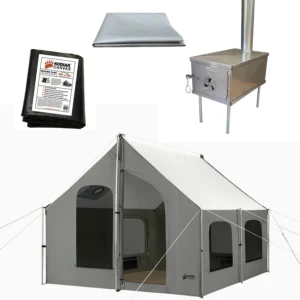
10×10 Cabin Lodge and Panel-Lock Stove Bundle
Check Price on Kodiak Canvas -
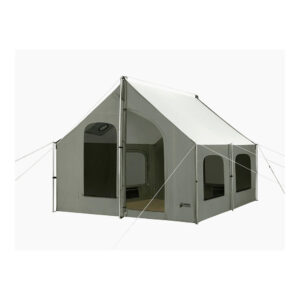
10×10 Cabin Lodge Tent SR (Stove Ready)
Check Price on Kodiak Canvas -
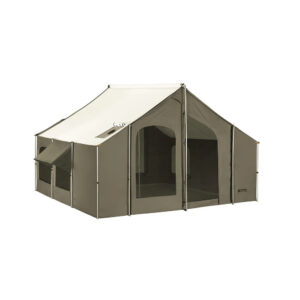
12×12 Cabin Lodge (Stove Ready)
Check Price on Kodiak Canvas -
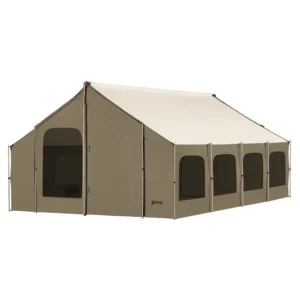
12×16 Cabin Lodge (Stove Ready)
Check Price on Kodiak Canvas
Read more
Winter Tents With a Stove Jack: What They Are and Why They Matter
Winter tents with a stove jack are designed to safely vent a wood-burning stove through the tent wall or roof without damaging the fabric or creating a fire hazard. A stove jack is a heat-resistant port built into the tent that allows a chimney pipe to pass through while maintaining proper clearance and airflow. Without a purpose-built stove jack, running a wood stove inside a tent is unsafe and unreliable in cold-weather conditions.
In winter camping, a stove jack fundamentally changes how a tent performs. Instead of relying solely on heavy sleep systems or condensation-prone heaters, a wood stove provides dry, controllable heat that warms the interior, dries wet gear, and makes extended cold-weather stays far more livable.
What Makes a Tent Truly Winter-Ready
Not every tent with a stove jack is automatically suitable for winter use, and not every four-season tent is safe to pair with a wood stove. A winter-ready tent must handle cold temperatures, wind, snow load, and sustained heat at the same time.
Fabric Weight and Construction
Winter tents use heavier materials than typical backpacking tents. Canvas and heavy-denier synthetic fabrics retain heat better, resist abrasion, and tolerate repeated heating and cooling cycles. Thin fabrics marketed as four-season often prioritize wind resistance rather than heat tolerance.
Structural Strength and Snow Load
A winter tent must support snow accumulation without collapsing or deforming. This depends on pole geometry, wall angles, and reinforced stress points—not marketing labels.
Cold-Weather Ventilation
Proper airflow is essential when running a stove. Winter tents balance high vents for exhaust with low intake points to supply oxygen without creating drafts that strip heat from the interior.
Peak Height and Stove Clearance
Adequate ceiling height is critical. Tents designed for stove use provide enough vertical space to maintain safe chimney clearance and allow heat to circulate naturally.
Stove Jack Materials and Construction
Stove jacks are made from heat-resistant materials, not fireproof fabric. Their purpose is to manage heat at the chimney exit—not to contain open flame.
Common materials include:
- Silicone-coated fiberglass
- High-temperature aramid fabrics
A quality stove jack is reinforced and securely stitched into the tent panel. Inferior designs rely on thin material or minimal stitching, which can degrade over time with repeated heating cycles.
Placement also matters. Well-designed tents position the stove jack to reduce chimney sway, maintain draft efficiency, and minimize stress on surrounding fabric.
Wood Stove Compatibility and Sizing
A stove jack tent is only as effective as the stove used inside it. Stove size should match tent volume, not just outside temperature.
Stove Size
Oversized stoves overheat small tents and increase fire risk. Undersized stoves struggle to maintain warmth in large shelters and burn inefficiently.
Stove Materials
- Titanium stoves heat quickly and pack small but cool faster
- Steel stoves retain heat longer and offer steadier burns
Chimney Diameter and Height
The stove pipe must match the stove jack opening and extend high enough above the tent to create proper draft. Poor draft leads to smoke buildup and inefficient combustion.
Spark Arrestors
Spark arrestors are essential. Burning wood produces embers that can exit the chimney, and arrestors help protect both tent fabric and surrounding ground.
Safety Considerations and Common Mistakes
Running a wood stove inside a tent requires attention and discipline. Most problems come from setup errors rather than equipment failure.
Insufficient Clearance
Stoves must be positioned far enough from tent walls, gear, and sleeping areas. Heat radiates outward, not just upward.
Poor Chimney Support
Unsecured chimneys can sway in wind, stressing the stove jack and increasing the risk of fabric damage.
Ignoring Wind Direction
Tents should be pitched so prevailing winds assist chimney draft rather than forcing smoke back inside.
Carbon Monoxide Risk
Even with proper venting, airflow must be maintained. Never seal a tent completely while a stove is operating.
Leaving the Stove Unattended
Wood stoves require monitoring. Overnight burns should only be attempted with experience and proper setup.
Types of Tents With Stove Jacks
Stove-compatible winter tents, also called hot tents, fall into several broad categories, each suited to different camping styles.
Canvas Wall Tents
Heavy-duty shelters built for extended stays. They offer excellent heat retention and interior comfort but require vehicle access.
Tipi-Style Tents
Single-pole or multi-pole designs that shed snow efficiently and create strong upward draft for chimney exhaust.
Family or Basecamp Tents
Larger winter tents designed to house multiple occupants, gear storage, and longer cold-weather trips.
When a Stove Jack Tent Makes Sense — and When It Doesn’t
Stove jack tents excel in sustained cold, wet winter conditions and on trips where drying gear and maintaining livable space is important. They are ideal for hunters, winter campers, and basecamp setups.
They are less necessary for short trips, mild winter weather, or fast-moving routes where weight and setup time matter more than interior comfort.
Understanding when you actually need a stove jack helps prevent overbuying and improves overall safety.
Condensation, Moisture, and Cold-Weather Comfort
One of the biggest advantages of stove jack tents is dry heat. Unlike propane heaters, wood stoves reduce condensation by warming surfaces and allowing moisture to escape through controlled venting.
Dry heat improves sleep comfort, gear longevity, and overall livability—especially during multi-day winter trips where moisture management becomes critical.
Frequently Asked Questions
Are stove jack tents safe?
Yes, when used correctly. Proper stove placement, ventilation, chimney height, and awareness are essential for safe operation.
Can you add a stove jack to an existing tent?
Some tents can be modified, but this carries risk unless the fabric and structure are suitable. Purpose-built stove jack tents are safer and more reliable.
Do you need a spark arrestor with a tent stove?
Yes. Spark arrestors help prevent embers from landing on the tent or surrounding area and are considered essential for stove use.
Can stove jack tents be used in mild weather?
Yes. Many campers use them in shoulder seasons without running a stove, benefiting from increased space and ventilation.
What size wood stove works best for a tent?
The best size depends on tent volume. Larger tents require larger fireboxes, while small tents need compact stoves to avoid overheating.
Are stove jack tents considered four-season tents?
Many are, but not all four-season tents support stove use. Stove compatibility depends on materials, design, and reinforcement.
Do stove jack tents come with a stove included?
Most do not. Stoves are typically sold separately so users can choose the size and material that fits their setup.
Can you use a stove jack tent on snow?
Yes. Many winter campers pitch stove jack tents directly on snow using proper anchoring techniques and heat-safe stove bases.
Final Thoughts
Winter tents with a stove jack open up a different level of cold-weather camping, but they are not casual gear. When used correctly, they provide dry heat, better moisture control, and a livable shelter that makes extended winter trips realistic instead of miserable. When used incorrectly, they can introduce safety risks that no amount of insulation can fix.
The key is choosing a tent that is genuinely designed for stove use, pairing it with an appropriately sized wood stove, and respecting the realities of heat, airflow, and clearance in cold conditions. Not every winter trip requires a stove jack, but for sustained cold, wet weather or basecamp-style camping, it can be the single most important upgrade you make.
If you understand when these tents make sense—and how to use them properly—they become one of the most effective tools for comfortable and safe winter camping.