
Wood Burning Camping Stoves
Wood burning camping stoves provide dependable heat and cooking power for cold-weather and off-grid camping. Designed for hot tents, winter trips, and extended stays, these stoves run on natural fuel you can gather at camp, offering reliable warmth without relying on propane or electricity.
This page may contain affiliate links; you can read our full disclosure.
Showing all 5 results
-
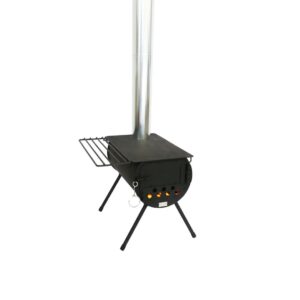
Colorado Stove Cylinder Stove
Check Price on Kodiak Canvas -
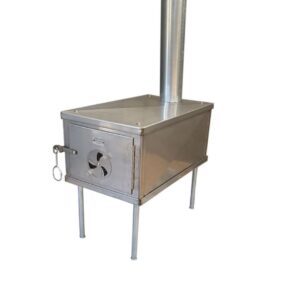
Colorado Stove Panel-Lock™ Stove
Check Price on Kodiak Canvas -
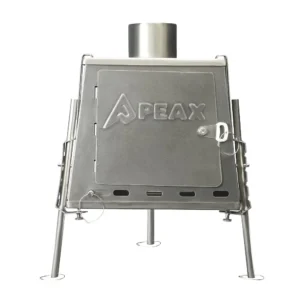
Torrid Hot Tent Stove
Check Price on Peax -
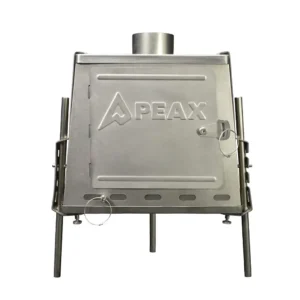
Torrid XL Hot Tent Stove
Check Price on Peax -
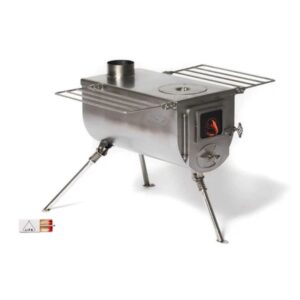
Winnerwell Woodlander Tent Stove
Check Price On Life inTents
Read more
Wood Burning Camping Stoves
Wood burning camping stoves are designed for campers who need dependable heat, long burn capability, and fuel independence in environments where propane and electricity either fail or make no sense. These stoves are most commonly used in cold-weather camping, hot tent setups, hunting camps, and extended base camps where warmth, cooking capability, and reliability matter more than convenience.
Unlike gas stoves, wood burning stoves rely on natural fuel sources you can gather at camp—sticks, split logs, and deadfall. That makes them especially valuable in remote areas, winter conditions, and long stays where carrying consumable fuel becomes impractical or impossible.
A properly sized and well-managed wood burning stove can heat a tent, dry wet gear, melt snow for water, and cook full meals—all from the same firebox.
How Wood Burning Camping Stoves Work
At their core, wood burning camping stoves are compact fireboxes with controlled airflow and a chimney system that directs smoke safely outside a shelter. Most models use a front-loading door, adjustable air intake vents, and a vertical stovepipe with a damper to regulate burn rate and heat output.
Once lit, the stove draws air through the intake vents, feeds combustion inside the firebox, and exhausts smoke upward through the chimney. Managing airflow is key—more air produces higher heat and faster burns, while restricted airflow allows longer, slower burns.
Unlike open fires, enclosed stoves concentrate heat efficiently and safely. The stove body radiates warmth into the surrounding space, while the chimney removes smoke and sparks through a stove jack in the tent.
Why Campers Choose Wood Burning Stoves
Wood burning camping stoves excel in situations where standard backpacking stoves fall short.
Reliable Heat in Cold Conditions
In cold or snowy environments, gas stoves lose efficiency and propane canisters struggle to maintain pressure. Wood stoves don’t care about temperature. If you can light a fire, you can generate heat.
For winter campers and hunters, this reliability is often the deciding factor.
Fuel Independence
Wood stoves eliminate the need to carry fuel canisters. Instead of planning burn time around what you packed, you use what’s available around camp. This makes wood stoves ideal for:
- Long stays
- Remote locations
- Emergency preparedness
- Snow camping
As long as local regulations allow wood fires, fuel is rarely an issue.
Cooking and Heating in One System
Most wood burning camping stoves feature flat cooktops capable of boiling water, frying food, and simmering meals. Some models support oven attachments or side shelves for added cooking flexibility.
This dual-purpose design reduces the amount of gear needed at camp and simplifies meal preparation in harsh conditions.
Common Types of Wood Burning Camping Stoves
Not all wood stoves are built the same. The best option depends on how you camp and how often you move.
Ultralight Titanium Stoves
Titanium stoves are designed for portability. They pack flat, weigh very little, and are favored by mobile winter campers and hunters who hike into camp.
Pros:
- Extremely lightweight
- Packs down small
- Heats quickly
Cons:
- Shorter burn times
- Requires frequent feeding
- Less forgiving heat control
Steel Wood Stoves
Steel stoves are heavier but more durable and easier to manage. They hold heat longer, burn more evenly, and are better suited for base camps.
Pros:
- Longer burn times
- Better heat retention
- More stable cooking surface
Cons:
- Heavier
- Takes up more space
Many experienced campers prefer steel stoves for comfort and consistency, especially when weight is less of a concern.
Stove Size and Heat Output
Choosing the correct stove size is critical. An undersized stove won’t keep up with cold temperatures, while an oversized stove can overheat a small tent.
When selecting a stove, consider:
- Tent size and ceiling height
- Expected outside temperatures
- Whether the stove will be used primarily for heat, cooking, or both
Manufacturers like Winnerwell and Pomoly offer multiple sizes designed for different shelter volumes, from small solo tents to large group hot tents.
Chimney Systems and Draft Control
The chimney is as important as the stove itself. A proper chimney setup ensures efficient draft, clean burns, and safe smoke removal.
Key chimney components include:
- Stovepipe sections
- Spark arrestor
- Damper for airflow control
A taller chimney generally creates better draft, which improves combustion and reduces smoke buildup inside the tent. Dampers allow you to control burn speed and heat output without opening the stove door.
Poor chimney setup is the most common cause of smoke issues, not the stove itself.
Using a Wood Stove Safely in a Tent
Wood stoves are safe when used correctly, but they demand respect.
Always follow these safety principles:
- Use a tent designed for stove use with a proper stove jack
- Maintain clearance between the stove and tent walls
- Use a spark arrestor at the chimney top
- Never leave the stove unattended while burning
Carbon monoxide detectors are strongly recommended for enclosed shelters. Ventilation matters, even in cold weather.
Wood Fuel and Burn Management
Burn quality depends on fuel choice and preparation.
Best fuel types:
- Dry hardwood splits for long burns
- Small sticks and kindling for startup
- Avoid green or wet wood
Split wood burns more predictably than round logs. Smaller pieces ignite faster, while thicker splits provide longer heat output. Managing fuel size and airflow together allows you to control temperature without constant adjustments.
Maintenance and Longevity
Wood burning camping stoves require minimal maintenance, but neglect shortens their lifespan.
Basic care includes:
- Emptying ash regularly
- Cleaning soot from stovepipes
- Inspecting seams and door seals
Steel stoves benefit from occasional seasoning burns to protect the metal. Titanium stoves should be handled carefully to avoid warping during high-heat burns.
FAQs About Wood Burning Camping Stoves
Are wood burning camping stoves safe to use in tents?
Yes—when used with a stove-compatible tent, proper chimney setup, and basic safety precautions. The tent must have a stove jack, and clearance guidelines must be followed.
Do wood stoves keep tents warm all night?
They can, but burn time depends on stove size, fuel type, and airflow control. Larger steel stoves with hardwood fuel provide the longest overnight heat.
Can you cook real meals on a wood burning stove?
Absolutely. Most wood stoves support boiling, frying, and simmering. Cooking performance improves once you learn heat control through airflow and fuel size.
Are wood burning stoves allowed everywhere?
No. Fire regulations vary by location and season. Always check local rules before using a wood stove, especially in dry or restricted areas.
How much wood do you need per night?
This varies widely, but a moderate overnight burn typically requires a small armload of split wood. Cold conditions increase fuel needs.
Final Thoughts
Wood burning camping stoves aren’t for everyone—but for the right camper, they’re unmatched.
If you camp in cold weather, stay out for multiple days, or want true fuel independence, a wood stove delivers heat, cooking capability, and reliability that gas stoves simply can’t match. They reward preparation, patience, and experience—and once dialed in, they transform harsh conditions into comfortable camps.
Browse the collection below to compare sizes, materials, and designs, and choose a stove that matches how you actually camp—not how gear catalogs imagine you should.
This is real heat, real fire, and real control—exactly the way camping was meant to be.