
Camping Lanterns for Tent Camping & Camp Use
Camping lanterns are essential for tent camping and everyday camp use. They provide wide, reliable light for tents, picnic tables, and campsites without the harsh glare of flashlights. The right lantern makes camp safer, easier, and more comfortable after dark.
This page may contain affiliate links; you can read our full disclosure.
Showing all 10 results
-
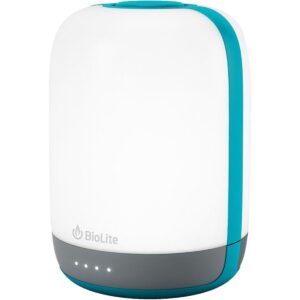
BioLite Alpenglow 500 Lantern
Check Price On Backcountry -
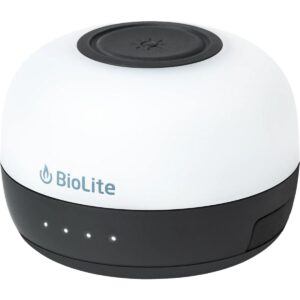
BioLite AlpenGlow Mini Lantern
Check Price On Backcountry -
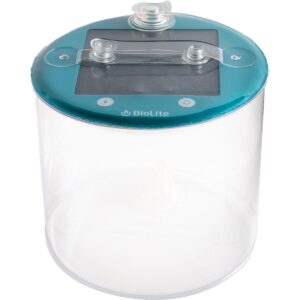
BioLite Luci Original Clear
Check Price On Backcountry -
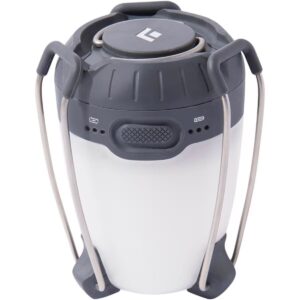
Black Diamond Apollo Lantern
Check Price On Backcountry -
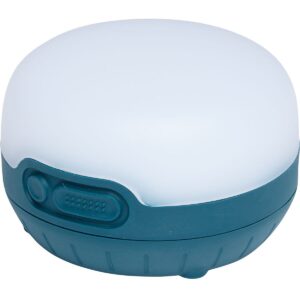
Black Diamond Moji+ Lantern
Check Price On Backcountry -
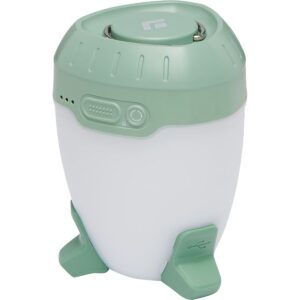
Black Diamond Orbiter 450 Lantern
https://alnk.to/74y3LHj -
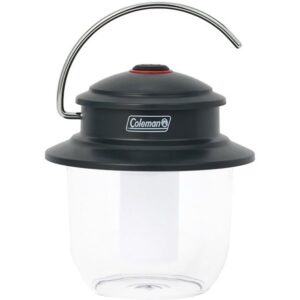
Coleman Classic Recharge 400 Lumen Lantern
Check Price On Backcountry -
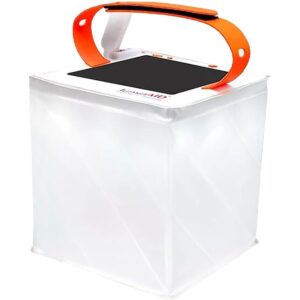
LuminAID PackLite Titan 2-in-1 Power Lantern
Check Price On Backcountry -
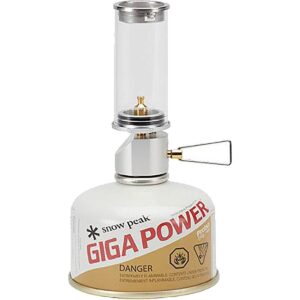
Snow Peak Mini Flame Lantern
Check Price On Backcountry -
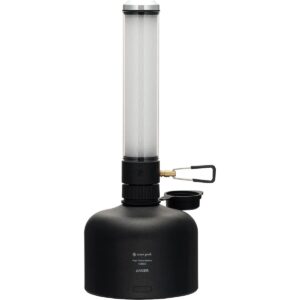
Snow Peak Tabletop GigaPower Lantern
Check Price On Backcountry
Read more
Camping lanterns are one of those pieces of gear you don’t fully appreciate until you don’t have one. Whether you’re lighting up a tent, cooking at a picnic table, or moving around camp after dark, a good camping lantern provides steady, reliable light without blinding everyone in a five-mile radius.
This category focuses on camping lanterns designed for tent camping and general camp use — not emergency-only lights, not decorative junk, and not high-powered spotlights meant to signal aircraft. These are practical lanterns meant to make camp life easier, safer, and more comfortable.
What Makes a Good Camping Lantern?
Camping lanterns are built differently than flashlights or headlamps. Instead of a focused beam, they provide wide, ambient light that fills a space. That’s exactly what you want when you’re inside a tent, sitting around camp, or cooking after sunset.
The best camping lanterns balance brightness, runtime, durability, and ease of use. Too dim and they’re useless. Too bright and they become annoying — or worse, ruin your night vision.
Brightness: How Much Light Do You Actually Need?
For most camping situations, more lumens isn’t always better.
- Inside a tent: Low to moderate brightness is ideal. You want enough light to see gear and move around without turning your tent into a glowing beacon.
- Around camp: Medium brightness works best for cooking, eating, or organizing gear.
- Group or family camping: Higher-output lanterns can light up a picnic table or common area without needing multiple lights.
Many modern lanterns offer adjustable brightness levels, which is far more useful than a single max-output setting.
Power Options: Battery, Rechargeable, or Fuel
Camping lanterns come in a few main power styles, each with pros and cons.
Battery-powered lanterns
These are simple and reliable. If you carry spare batteries, you’re never stuck in the dark. They’re a solid choice for longer trips where recharging isn’t an option.
Rechargeable lanterns
Rechargeable models are popular for car camping and short trips. Many recharge via USB and some even double as power banks. Just remember — once the battery is dead, it’s dead unless you have a way to recharge it.
Fuel lanterns
Classic fuel lanterns still exist, but they’re less common for tent camping. They produce strong light but require ventilation, careful handling, and more setup. Most campers today prefer LED lanterns for safety and convenience.
Lantern Size and Portability
Camping lanterns range from compact, packable models to larger lanterns designed to stay at camp.
- Small lanterns are great for tents and minimal setups.
- Medium-sized lanterns work well for picnic tables and camp kitchens.
- Larger lanterns are better suited for base camps or family camping where lighting a bigger area matters.
If you’re backpacking, weight and size matter more. For car camping, comfort usually wins.
Mounting and Placement Options
A lantern is only useful if you can put it where you need it.
Look for features like:
- Built-in hooks for hanging inside tents
- Flat bases for tables and ground use
- Magnetic bases for vehicles or metal surfaces
Versatility here makes a big difference in real-world use.
Durability and Weather Resistance
Camping lanterns get dropped, knocked over, and exposed to weather. A good one should handle all of that without drama.
Key things to look for:
- Water resistance for rain and damp conditions
- Impact-resistant housings
- Stable bases that won’t tip easily
If a lantern can’t survive a campsite, it’s not a camping lantern — it’s a liability.
Why Lanterns Matter for Tent Camping
Inside a tent, lanterns beat flashlights every time. They provide even, comfortable light, making it easier to organize gear, read, or get ready for bed. Many campers hang a lantern from the ceiling loop of the tent to create soft, overhead lighting that feels almost like home.
Outside the tent, lanterns keep campsites functional after dark. Cooking, cleaning up, and just relaxing around camp is far easier when the light isn’t constantly moving or blinding.
Choosing the Right Lantern for Your Camping Style
There’s no single “best” camping lantern for everyone. The right choice depends on how you camp.
- Solo or minimalist campers may prefer compact, lightweight lanterns.
- Families often benefit from brighter lanterns with long runtimes.
- Frequent campers may want rechargeable options to reduce battery waste.
- Occasional campers might prioritize simplicity and affordability.
The key is choosing a lantern that fits how you actually camp, not how a marketing photo says you should.