
Synthetic Sleeping Bags
Synthetic sleeping bags are a reliable choice for camping in damp or unpredictable conditions. They retain warmth even when wet, dry quickly, and are easy to care for after long trips. This collection features synthetic sleeping bags designed for dependable insulation, comfort, and consistent performance across a wide range of camping environments.
This page may contain affiliate links; you can read our full disclosure.
Showing all 5 results
-
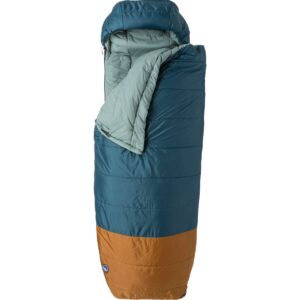
Big Agnes Echo Park Sleeping Bag: 20F
Check Price On Backcountry -
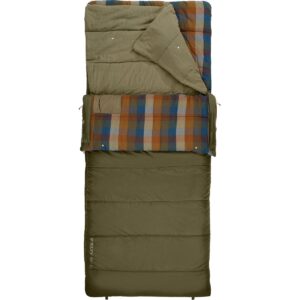
Kelty Wayback Sleeping Bag: 20F
Check Price On Backcountry -
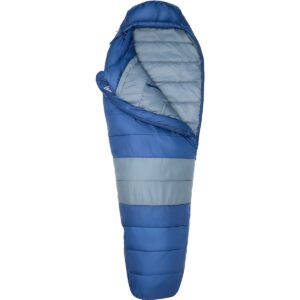
Marmot Trestles Elite Eco 20 Sleeping Bag: 20F
Check Price On Backcountry -
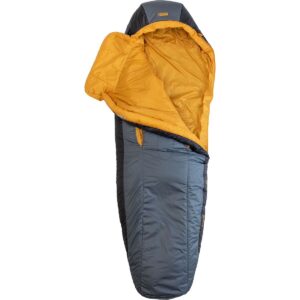
NEMO Forte Endless Promise Sleeping Bag: 35F
Check Price On Backcountry -
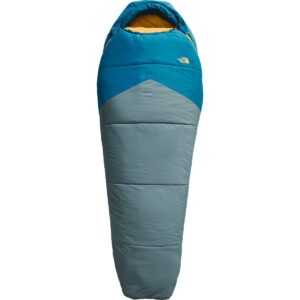
The North Face Wasatch Pro 20 Sleeping Bag: 20F
Check Price On Backcountry
Read more
Synthetic Sleeping Bags: Reliable Warmth Without the Hassle
Synthetic sleeping bags are a go-to choice for campers who want dependable warmth, easy care, and consistent performance in real-world conditions. Whether you’re dealing with damp weather, unpredictable temperatures, or frequent trips that put gear through hard use, synthetic insulation offers advantages that natural down simply can’t match in certain environments.
This category brings together synthetic sleeping bags designed for car camping, backpacking, and cold-weather trips where reliability matters more than shaving off the last ounce of weight.
What Makes Synthetic Insulation Different
Synthetic sleeping bags use man-made insulation fibers engineered to trap heat while resisting moisture. Unlike down, which relies on lofted feathers, synthetic insulation maintains much of its insulating ability even when wet.
That single trait makes synthetic bags especially valuable for camping in humid climates, shoulder seasons, and areas where condensation, rain, or snow are part of the experience. If your bag gets damp overnight, synthetic insulation won’t collapse and leave you shivering.
Why Synthetic Sleeping Bags Are a Smart Choice
Better Performance in Wet Conditions
Synthetic insulation continues to retain warmth when exposed to moisture. This makes these bags ideal for:
- Rain-prone trips
- High-humidity environments
- Snow camping with melt and condensation
- Beginner setups where moisture management isn’t dialed in yet
For many campers, this alone outweighs the benefits of down.
Easier Care and Maintenance
Synthetic sleeping bags are far more forgiving when it comes to cleaning and storage. Most can be machine-washed without special detergents, and they don’t require the same careful drying process that down bags demand.
They also tolerate long-term storage better, making them a solid option for campers who don’t want to baby their gear between trips.
Consistent Insulation Over Time
While down can lose loft if mishandled, modern synthetic insulation is designed to maintain its structure after repeated use. For frequent campers or families sharing gear, this durability matters.
Understanding Temperature Ratings
Synthetic sleeping bags are available across a wide range of temperature ratings, from warm-weather summer bags to cold-rated winter options. When choosing a bag, keep these points in mind:
- Temperature ratings are typically based on survival, not comfort
- Cold sleepers should size up to a warmer rating
- Using a sleeping pad is essential to achieving the bag’s full warmth potential
For most three-season camping, a synthetic bag rated between 20°F and 30°F provides a versatile balance of warmth and usability.
Weight and Packability Considerations
Synthetic insulation generally weighs more and packs larger than down. That tradeoff is the price paid for moisture resistance and durability.
For car camping, this extra bulk is rarely an issue. For backpacking, many modern synthetic designs use advanced fiber structures that reduce size while still offering dependable warmth. While they may not compress as small as down, the peace of mind they offer in wet conditions is often worth it.
Who Should Choose a Synthetic Sleeping Bag
Synthetic sleeping bags are an excellent choice for:
- Beginner campers learning the basics
- Families sharing sleeping bags
- Campers in wet or humid regions
- Those who want low-maintenance gear
- Budget-conscious buyers seeking strong performance
They are especially well-suited for trips where gear might get dirty, damp, or used frequently without meticulous care.
Choosing the Right Synthetic Sleeping Bag
When browsing synthetic sleeping bags, focus on:
- Temperature rating appropriate for your climate
- Shape (mummy vs. rectangular) for warmth and comfort
- Shell fabric durability and water resistance
- Zipper quality and draft protection
The right bag should match how and where you camp, not just the numbers on a spec sheet.
Dependable Warmth for Real-World Camping
Synthetic sleeping bags are built for campers who value reliability over perfection. They may not be the lightest or smallest option, but they excel where conditions are unpredictable and gear needs to perform without constant attention.
If your camping style includes moisture, variable weather, or frequent trips that demand durability, a synthetic sleeping bag is a practical, confidence-boosting choice that won’t let you down when conditions turn less than ideal.