
This page may contain affiliate links; you can read our full disclosure.
Winter camping can be incredible — quiet trails, empty campgrounds, no bugs, and scenery that looks like a postcard somebody forgot to turn off. But when nighttime temperatures drop into the “Why am I doing this to myself?” range, staying warm becomes more than comfort. It becomes survival.
A safe tent heater can change the entire experience. You wake up feeling human instead of brittle. You get dressed without dancing around like you’re barefoot on ice. You can cook, organize gear, or just hang out before bed without freezing your face off.
But here’s the deal: tent heaters are only safe when they’re the right type and used the right way.
Propane heaters require ventilation. Electric heaters require power and proper clearance. Fuel-burning heaters should never run while you sleep.
This guide walks you through seven of the safest tent heaters, how they work, when to use each one, and how to stay warm without putting yourself or your tent at risk.
What Is a BTU (and How Many You Need for a Tent)
A BTU (British Thermal Unit) measures heat output. In simple terms, higher BTUs mean more heat.
More is not always better. Too much heat in a small space increases fire risk, condensation, and discomfort.
General tent BTU guidelines:
- Small tents (1–2 person): 3,000–5,000 BTUs
- Medium tents (3–4 person): 4,000–9,000 BTUs
- Large or canvas tents: 9,000–18,000 BTUs
Always choose the lowest BTU output that keeps you comfortable, and ventilate properly.
Why Tent Heater Safety Matters
Before we dive into the heaters themselves, it’s important to understand the risks.
Carbon Monoxide (CO)
Any fuel-burning heater produces CO. In a poorly ventilated tent, CO can build up fast — and you won’t smell it coming.
Oxygen Depletion
Propane heaters consume oxygen to burn. In tight tents, levels can drop faster than you expect.
Fire Hazard
Tents are basically giant fabric envelopes. A tipped heater or exposed flame can turn one into a bonfire.
Condensation
Propane creates water vapor. Without ventilation, that moisture coats everything, making you colder.
So we choose heaters with:
- Oxygen Depletion Sensors
- Tip-over shutoffs
- Indoor-safe certification
- Controlled heat output
- No exposed flame
- Dependable cold-weather performance
And we use ventilation properly — even in winter.
1. Mr. Heater Portable Buddy — Best All-Around Tent Heater
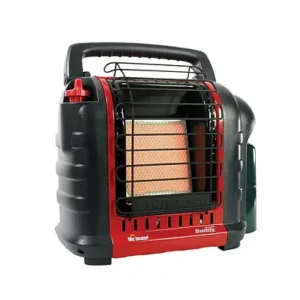
The Portable Buddy is the gold standard for tent-safe propane heaters. It’s one of the only units specifically certified for indoor use, and thousands of winter campers rely on it every year.
Why it’s safe
- Indoor-safe design
- Oxygen Depletion Sensor
- Tip-over shutoff
- Enclosed ceramic burner
- Stable footprint
- Adjustable 4,000–9,000 BTU output
This heater warms small and medium tents quickly and is easy to operate even with gloves on.
Ventilation Required: Yes — crack a top vent and a low vent.
Best For: Most winter campers and mid-sized tents.
2. Mr. Heater Little Buddy — Best for Small Tents
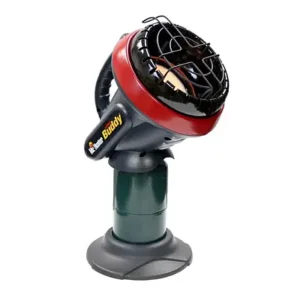
The Little Buddy provides clean indoor-safe heat in a compact package. It’s ideal for smaller tents where space is tight.
Why it’s safe
- Indoor-safe certification
- Built-in ODS
- Tip-over protection
- Simple, stable base
It produces 3,800 BTUs — enough to warm a small tent without overpowering it.
Ventilation Required: Yes.
Best For: Solo campers or two-person tents.
3. Mr. Heater Big Buddy — Best for Large Tents and Canvas Shelters
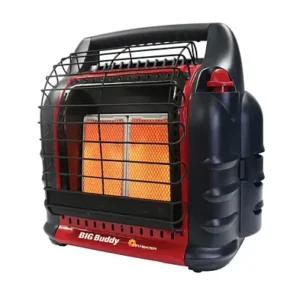
If you’re heating a large family tent or canvas hunting tent, the Big Buddy delivers serious heat with up to 18,000 BTUs.
Why it’s safe
- Indoor-safe certification
- Dual heating elements
- ODS + tip-over shutoff
- High-output warming for large spaces
With big power comes responsibility — ventilation is mandatory.
Ventilation Required: Yes — strong airflow recommended.
Best For: Family tents, canvas wall tents, and group winter camping.
4. Naturehike Portable 3-in-1 Camping Heater
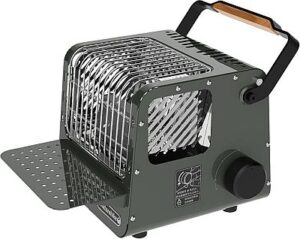
This compact catalytic-style butane heater functions as a heater, stove, and warming shelf. It delivers gentle, controlled heat without the aggressive output of propane. Produces heat around 2000-3000 BTUs.
Why it’s safe
- Lower output reduces burn risk
- No exposed flame
- Stable metal frame
- Controlled ignition
- Ideal for small spaces
Best for warming the tent before bed or heating while getting dressed.
Ventilation Required: Yes.
Best For: Small to medium tents and minimalist setups.
5. Honeywell 360 Surround Heater — Best Electric Option
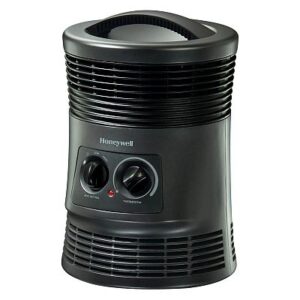
If your campsite has electricity, electric heaters are the safest option available. No combustion, no CO, no oxygen depletion. Produces heat up to about 5120 BTUs.
Why it’s safe
- No fuel
- No fumes
- Tip-over shutoff
- Overheat protection
- Cool-touch housing
Ventilation Required: No — maintain clearance.
Best For: Campgrounds with electrical hookups.
6. Camplux Portable Propane Heater — Best for Outdoor & Well-Ventilated Shelters
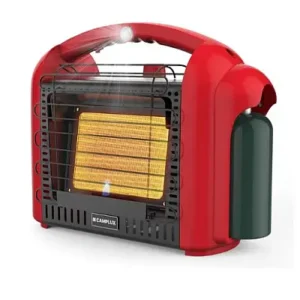
When electric power isn’t an option and you need fast, reliable heat, the Camplux Portable Propane Heater delivers strong warmth in a compact, easy-to-carry design. With output up to 12,000 BTUs, it’s capable of quickly taking the edge off cold conditions during setup, cooking, or early mornings at camp.
This heater is designed for outdoor use or very well-ventilated shelters, not sealed tents. Used correctly, it’s a solid option for campers who need portable heat without relying on electricity.
Why it’s safe
- Oxygen Depletion Sensor (ODS)
- Tip-over shutoff protection
- Stable, low-profile base
- Enclosed burner design
- Controlled heat output
- Simple, reliable ignition
These safety features help reduce risk when the heater is used as intended — in open or well-ventilated environments.
Ventilation Required:
Yes — outdoor use or strong airflow is mandatory.
Best For:
Open campsites, screened shelters, cooking areas, early-morning warmth, and situations where electric heaters aren’t an option.
7. KingCamp Heated Sleeping Bag Insert — Safe Overnight Warmth (No Combustion)
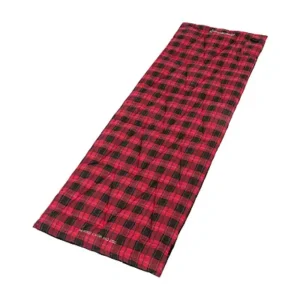
Instead of heating the tent air, this heated sleeping bag insert warms you directly — which is the safest way to stay warm overnight in cold weather camping. The KingCamp Heated Sleeping Bag Insert plugs into a compatible power source (like a USB power bank or portable power station) to deliver gentle, controlled heat inside your sleeping bag without fuel, open flame, or carbon monoxide.
The focus here is on body warmth, not heating your entire shelter. That reduces the biggest risks associated with traditional tent heaters while still keeping you comfortable through the night.
Why it’s safe
- No oxygen depletion
- No carbon monoxide
- No open flame or combustion
- Low, regulated heat output
- Designed for sleeping bag use
- Works with safe USB or portable power sources
Because it’s powered by electricity and designed specifically for sleeping bag use, it avoids the dangers of propane or fuel-burning heaters and is safe for overnight warmth when used as directed.
Ventilation Required:
No.
Best For:
Deep-winter camping, backpacking with power banks, and campers who want warmth focused on the body instead of the tent.
Tent Heating Safety Rules (Non-Negotiable)
- Never sleep with a propane heater running.
- Ventilate properly.
- Maintain clearance from fabric.
- Use a portable CO detector.
- Never run generators inside tents.
- Stabilize heaters on solid ground.
- Inspect equipment before every trip.
Extension Cord Safety for Electric Tent Heaters
If you’re running an electric heater at a powered campsite:
- Use outdoor-rated extension cords only
- Use 14-gauge wire or thicker (12-gauge preferred)
- Keep cords as short as possible
- Fully uncoil cords to prevent heat buildup
- Never run cords under sleeping bags or rugs
- Plug into GFCI-protected outlets when available
Thin or overloaded extension cords are a serious fire risk.
Final Takeaway
A safe tent heater turns winter camping from suffering into enjoyment. Choose the right heater, use it responsibly, ventilate properly, and you’ll wake up warm and wondering why you didn’t try winter camping sooner.
