
This page may contain affiliate links; you can read our full disclosure.
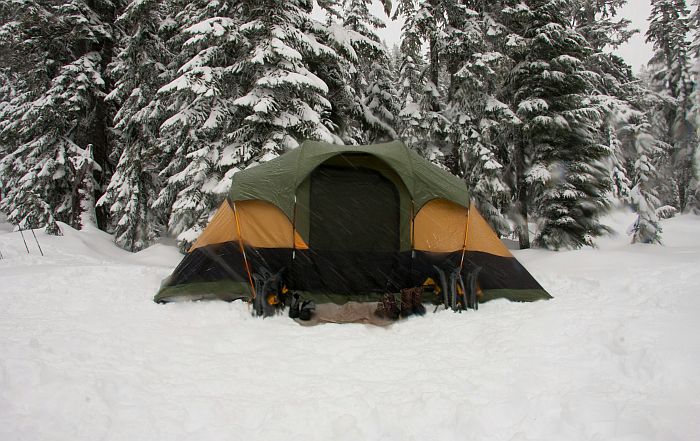
Staying warm in a tent without electricity is all about working with heat, not fighting the cold. Whether you’re winter camping or dealing with a surprise temperature drop, you can warm your tent safely using natural heat sources, proper insulation, and smart techniques that don’t require power or complicated gear.
Use a Tent Heater Designed for Camping
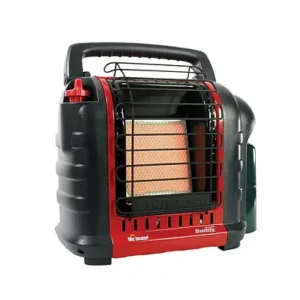
Some heaters are made specifically for tent use and include safety features like tip-over protection and low-oxygen shutoffs. They still require ventilation, but they provide the most direct, effective heat when electricity isn’t available.
When Tent Heaters Make Sense
These are ideal for cold-weather camping, basecamps, and situations where you want consistent warmth across the entire tent.
Safety Considerations
- Provide ventilation
- Never sleep with the heater running unattended
- Keep away from fabric and gear
- Place on a stable surface
Read the full article on tent heater safety.
Insulate Your Tent to Retain Heat
Heating is only half the battle. Insulation keeps the warmth inside instead of letting it escape through the tent walls and floor.
Add Ground Insulation
The ground absorbs heat quickly. Add layers such as:
- Foam mats
- Reflective insulation
- Thick blankets
- Carpet pieces
Use an Inner Tent or Thermal Liner
A second layer creates a microclimate that holds heat better. Even hanging a reflective blanket inside can improve warmth.
Block Wind Exposure
Set up near natural windbreaks like bushes, hills, or boulders to reduce heat loss.
Heat Stones With a Campfire
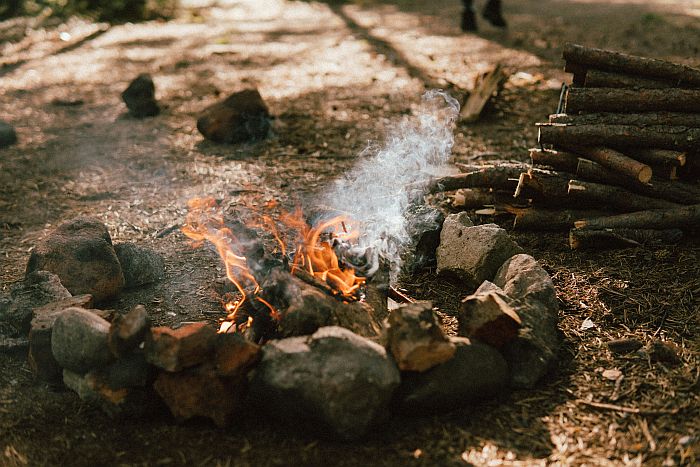
Hot stones act as a slow, steady heat source.
How to Use Hot Stones
- Select dry, non-river rocks
- Heat near the fire, not directly in it
- Wrap them in cloth or place them in a metal container
- Set them safely inside the tent (not on flammable surfaces)
When Hot Stones Work Best
This method is ideal when you already have a fire going and want residual heat to carry into the night.
Use Boiling Water Bottles
Boiling water inside a durable metal or hard plastic bottle creates a safe, portable heat source.
How to Use
- Fill a heat-safe bottle with boiling water
- Wrap it in fabric
- Place it inside your sleeping bag or at your feet
Warm Yourself With Proper Sleeping Gear
Sometimes the simplest approach is warming your body instead of the air around you.
Choose a Cold-Rated Sleeping Bag
A mummy-style bag with a hood traps heat efficiently.
Add a Sleeping Bag Liner
A liner can add noticeable warmth and reduces heat loss.
Layer Clothing Properly
Thermal baselayers, wool socks, and a hat keep your core warm throughout the night.
Stay Dry
Moisture kills warmth. Always change into dry clothes before bed.
Use Mylar Blankets to Reflect Heat
Mylar blankets reflect body heat and any heat source inside the tent.
Ways to Use Mylar
- Hang one from the ceiling to reflect heat downward
- Place behind your sleeping position
- Wrap loosely around yourself or your sleeping bag
Heat the Tent With a Candle Lantern
A small candle lantern can raise the temperature inside a tent by a few degrees.
Candle Lantern Safety Tips
- Use only lanterns designed for camping
- Hang them away from fabric
- Ventilate the tent
- Never leave unattended
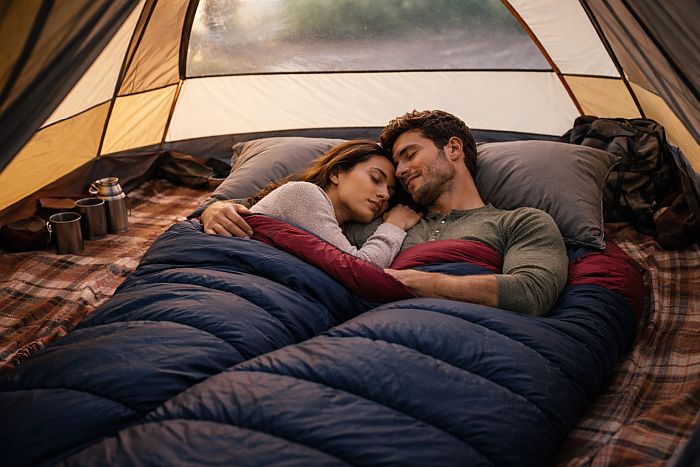
Body heat is a reliable heating source when temperatures drop.
- Double sleeping bags
- Two-person sleep systems
- Insulated sleeping pads to reduce heat loss to the ground
Use a Cook Stove Carefully
A backpacking stove generates heat quickly, but should only be used with strict caution.
Safety Precautions
- Use only for brief warm-ups
- Ventilate aggressively
- Keep clear of flammable materials
- Never sleep with a stove running
Pre-Warm Yourself by the Fire
Before entering your tent, warm your body thoroughly by the campfire. A warm core temperature carries over into your sleeping setup and helps maintain heat longer.
Keep Your Tent Organized for Better Heat Flow
A tidy tent makes it easier to maintain warmth.
Tips for Better Heat Management
- Remove cold items from your sleeping area
- Keep electronics insulated
- Shake out your sleeping bag to restore loft
Final Thoughts
Heating a tent without electricity is completely doable with the right combination of insulation, heat sources, and preparation. Hot stones, boiling water bottles, tent heaters, proper sleeping gear, and smart positioning all help manage cold weather safely. With these methods, you can handle cold nights comfortably without depending on a power source while camping off-grid.
