
This page may contain affiliate links; you can read our full disclosure.
Most camping trips don’t fall apart because someone forgot the tent.
They fall apart because of small, overlooked gear that no one thought mattered — until it absolutely did.
This isn’t another camping essentials checklist. You already know the basics. This is about the gear people forget because it feels optional, unnecessary, or “nice to have.” The kind of stuff you don’t think about while packing at home — but can’t stop thinking about once you’re cold, uncomfortable, or stuck improvising at camp.
If you’ve ever said, “We’ll be fine without it,” this article is probably going to hit a little too close to home.
Small Items That Prevent Big Problems
The most regretted camping gear is rarely big or expensive. It’s usually the small, boring stuff that quietly prevents everything else from becoming harder than it needs to be.
Think about the moment a strap snaps, a zipper jams, or a stove refuses to light. None of those issues feel catastrophic — until you realize you don’t have the simple tools or backup items needed to fix them. Suddenly, cooking is delayed, gear is compromised, and tasks that should take five minutes turn into ongoing annoyances.
At home, missing a small tool is a mild inconvenience. At camp, it can stall your entire setup. These are the moments where people realize that preparation isn’t about big gear — it’s about preventing friction.
Most of these items don’t add meaningful weight or bulk. They’re forgotten not because they’re impractical, but because nothing has gone wrong yet.
Gear You Don’t Miss Until the Weather Turns
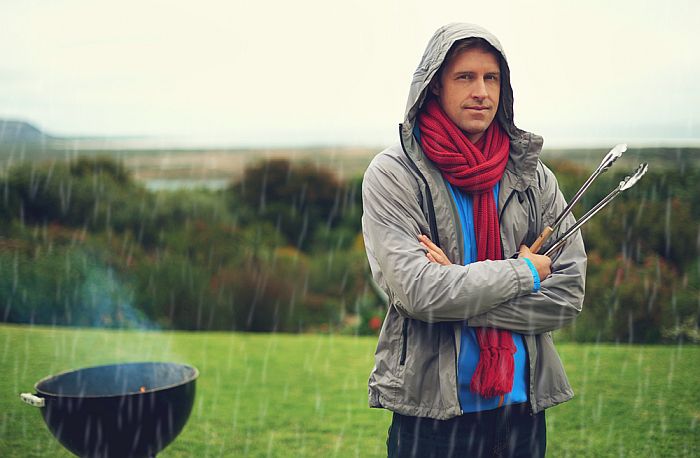
Weather doesn’t need to be extreme to expose weak packing decisions. A slight temperature drop, a breeze after sunset, or overnight moisture is more than enough.
That extra insulating layer you almost left behind?
The rain protection you assumed you wouldn’t need?
The moisture control you thought was overkill?
Once daylight fades, reality changes quickly. The ground pulls heat faster than expected. Condensation forms inside shelters. Wind finds gaps you didn’t notice during setup. This is when forgotten gear stops being theoretical and starts being personal.
Experienced campers don’t pack for the forecast — they pack for variation. Forecasts are guesses. Conditions change faster than apps update. Gear that feels unnecessary during setup often becomes essential twelve hours later.
Most weather-related regret doesn’t come from storms. It comes from almost bad conditions that last longer than expected.
Comfort Items People Dismiss (Then Obsess Over)
Comfort gear gets mislabeled as luxury, especially by people trying to “pack light.” That mindset usually disappears sometime between midnight and sunrise.
Sleep quality affects everything. Mood, patience, energy, and decision-making all degrade when rest suffers. A long day outdoors followed by poor sleep doesn’t just make you tired — it makes the entire trip feel harder.
Seating, sleep insulation, pressure relief, and basic body support don’t feel critical until your body starts keeping score. Then they dominate your thoughts.
Most campers don’t regret bringing comfort-focused gear. They regret assuming they wouldn’t need it. Comfort isn’t indulgence — it’s recovery, and recovery determines how much you actually enjoy the next day.
Backup Gear You Hope You Won’t Need
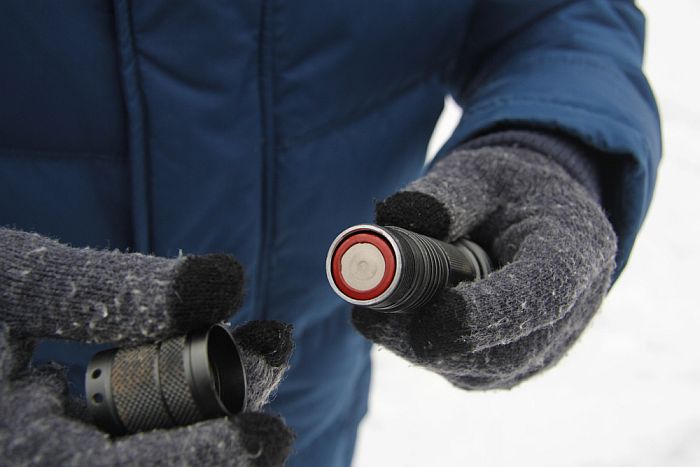
Backup gear feels unnecessary because it’s designed for failure — and nobody likes planning for things to fail.
But failure is normal. Batteries drain faster in cold temperatures. Headlamps get left on. Electronics die at inconvenient times. Buckles snap. Zippers fail. These aren’t rare events — they’re predictable ones.
When there’s no redundancy, small failures become big problems. When there is, they barely register.
Backup gear doesn’t exist because you expect things to go wrong. It exists because they eventually do. The regret doesn’t come from carrying backup gear — it comes from needing it and realizing you left it behind.
Gear That’s Hard to Replace Once You’re Out There
Some forgotten gear is annoying. Other forgotten gear is nearly impossible to replace once you’re already at camp.
Remote locations, closed stores, limited cell service, and long drives mean that missing items often stay missing. This is especially true for specialized gear that isn’t available at general stores or gas stations.
When packing, it helps to ask:
- Can I realistically replace this nearby?
- Would replacing it cost time, fuel, or part of the trip?
- Would the trip still function without it?
Items that are difficult to replace deserve more attention during packing — even if they feel optional. The farther you are from easy resupply, the higher the regret factor becomes.
Gear That Causes the Most Regret on Short Trips
Ironically, the most regret often happens on short trips.
Weekend trips and overnight stays create a false sense of security. Familiar locations feel forgiving. Short timelines make people assume they can “just deal with it.” That confidence leads to shortcuts.
Short trips are where people say, “It’s only one night,” or “We won’t need that.” And short trips are where those decisions come back to bite hardest — because there’s no margin for error.
Most regret doesn’t come from ignorance. It comes from overconfidence based on past success. The trip feels easy, so preparation gets lazy.
Easy trips are often the ones that expose bad habits.
The Decision That Causes the Most Regret
Every group trip has this moment. Someone suggests packing something. Someone else shrugs and says, “We probably won’t need it.”
That sentence is responsible for more camping regret than bad weather.
It’s rarely about weight or space. It’s about assumptions. Familiar trips feel safe. Experience breeds confidence. Confidence creates shortcuts.
Most camping mistakes don’t come from being unprepared. They come from assuming nothing will go wrong this time.
How to Pack Smarter Without Overpacking
Avoiding regret doesn’t mean bringing everything. It means packing with intention.
Instead of asking, “Do we need this?” ask:
- What fails first?
- What affects sleep the most?
- What becomes a problem if conditions change?
- What’s hardest to replace once we’re out there?
This shifts packing away from optimism and toward realism. You’re not preparing for disaster — you’re preparing for inconvenience.
When you pack based on failure points instead of ideal conditions, you naturally avoid overpacking while still covering the gaps that cause regret.
Learn From Regret — Not the Hard Way
Every experienced camper carries lessons learned the uncomfortable way. Forgotten items, long nights, and unnecessary frustration all leave an impression.
You don’t need more gear. You need better judgment about what actually matters when things don’t go perfectly — because they rarely do.
If you can learn from other people’s regret, you don’t have to create your own.
