
This page may contain affiliate links; you can read our full disclosure.
Solo camping is one of those ideas that sounds intimidating until you actually do it. The thought of heading out alone, setting up camp by yourself, and spending the night in the great outdoors can raise a lot of questions—especially if it’s your first solo camping trip.
But solo camping isn’t about being reckless or “hardcore.” It’s about preparation, awareness, and choosing the right kind of camping experience for your comfort level. Whether you’re tent camping at a campground, car camping in state parks, or considering backcountry camping, knowing what to expect makes all the difference.
This guide walks through what solo camping really means, what to plan for, and how to set yourself up for a calm, confident first solo camping experience.
What Solo Camping Really Means
Solo camping simply means going camping alone—no partner, no group, no backup camper at the next site. That doesn’t automatically mean wilderness camping or heading deep into the backcountry. Many solo campers start by camping at established campgrounds, national parks, or state parks where help is nearby if needed.
You might:
- Car camp at a campground
- Go tent camping close to home
- Try RV camping on your own
- Eventually move into backcountry camping or backpacking trips
Camping means different things depending on where you go. A solo camping trip can be as simple or as remote as you choose. For beginners, starting small is smart.
Choosing the Right Type of Solo Camping
Campgrounds and State Parks
For a first solo camping trip, campgrounds are often the best option. They offer:
- Designated campsites
- Nearby campers
- Potable water
- Bathrooms
- Clear rules and ranger presence
State parks and national parks are especially good for solo campers who want peace of mind without sacrificing solitude.
Car Camping vs Backcountry
Car camping gives you flexibility. If something feels off, you can leave. You also have more room for camping gear, food, and comfort items.
Backcountry camping and wilderness camping require more planning and basic skills. If you’re heading out alone into the backcountry, experience matters. Many outdoor adventurers recommend building confidence through shorter trips before going solo in remote areas.
Solo Camping for Women: Extra Considerations
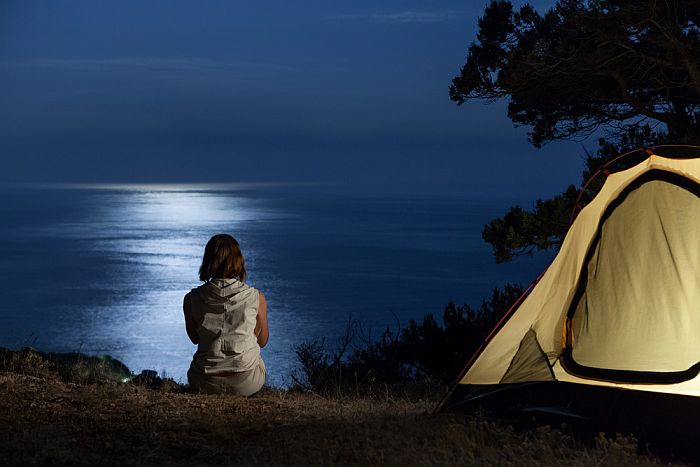
Solo camping for women—and especially solo female camping—comes with a few extra considerations, but it’s absolutely doable. Many solo female campers camp alone regularly and find it empowering rather than scary.
Key points:
- Trust your instincts
- Choose well-reviewed camping areas
- Let someone know where you’re going
- Keep your campsite tidy and organized
- Be confident and aware, not fearful
Being alone as a woman doesn’t mean being unsafe—it means being prepared. Your comfort level matters more than anyone else’s opinion.
Planning Your First Solo Camping Trip
Start Close to Home
Your first solo camping experience doesn’t need to be epic. A short car camping trip close to home builds confidence fast.
Check Weather Forecasts
Weather affects everything—from pitching a tent to managing camp comfort. Always check weather forecasts before going camping, especially if you’re heading into the backcountry.
Know the Rules
National parks, state parks, and campgrounds all have different rules. Check official park websites or campground listings so you know what’s allowed.
Gear That Matters When You Camp Alone
You don’t need ultralight gear or expensive setups, but you do need reliable equipment.
Shelter
Your tent is your home. Practice setting it up before your trip so you know how to pitch a tent calmly, even in bad weather. Some campers prefer a hammock, but tents offer better protection for beginners.
Sleeping System
A proper sleeping bag rated for the season is essential, especially when sleeping alone. Cold nights feel colder when you’re solo.
Lighting
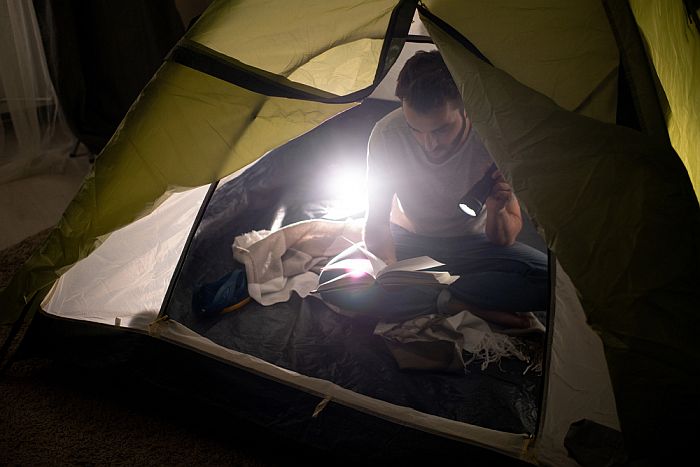
A headlamp is more useful than a lantern when you’re alone. It keeps your hands free while cooking, organizing, or moving around camp.
Cooking Setup
Simple is best. Many solo campers rely on a Jetboil or compact stove. Cooking alone doesn’t need to be fancy—hot meals boost morale.
First Aid and Safety
A first aid kit is non-negotiable. Add personal items you actually know how to use.
The Ten Essentials (Yes, They Matter)
The ten essentials exist for a reason, especially for solo campers. Your checklist should include:
- Navigation
- Headlamp
- First aid kit
- Fire starter
- Repair tools
- Extra food (non-perishable)
- Extra water or filtration
- Extra clothing
- Sun protection
- Emergency shelter
When camping requires self-reliance, the ten essentials provide peace of mind.
Staying Safe While Solo Camping
Tell Someone Your Plan
Always let someone know where you’re going and when you plan to return.
Communication Devices
Cell service isn’t guaranteed. A personal locator beacon (PLB) or satellite phone can be lifesaving in remote areas. Devices like a Garmin inReach offer messaging and SOS capabilities.
Wildlife Awareness
Know the area. In some regions, carrying bear spray is smart. In others, it’s unnecessary. Learn before you go.
Campsite Awareness
Choose a campsite with good visibility. Trust your instincts. If something feels off, move or leave.
Mental Side of Camping Alone
The quiet hits differently when you camp solo. Solitude can feel uncomfortable at first, especially when sleeping alone, but many people find it deeply rewarding.
- Slow down
- Connect with nature
- Build confidence
- Reset mentally
That first night might feel strange. By morning, most solo campers feel calmer and more capable.
Backcountry Camping Alone: When You’re Ready
Backcountry camping alone isn’t something to rush into. It requires:
- Strong navigation skills
- Comfort being alone in remote areas
- Experience with changing weather
- Confidence in basic outdoor skills
Some people work up to it through short backpacking trips. Others stick to campgrounds and are perfectly happy there. Both are valid.
Final Thoughts: Go Solo, But Go Smart
Solo camping isn’t about proving anything. It’s about creating a camping experience that fits your comfort level and goals. Whether you’re tent camping at a campground, car camping in state parks, or planning future backcountry camping trips, preparation makes all the difference.
Start small. Build skills. Trust yourself.
Your first solo camping trip doesn’t need to be perfect—it just needs to be thoughtful.
When you’re ready, heading out alone can be one of the most rewarding ways to experience the great outdoors.
