
This page may contain affiliate links; you can read our full disclosure.
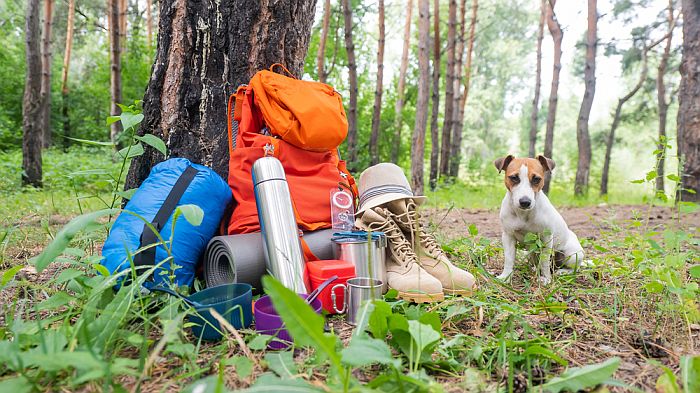
Camping sounds simple on paper. Pack some gear, pitch a tent, make food, sleep outside. In reality, small preparation mistakes compound quickly. A forgotten item, a poor gear choice, or unrealistic expectations can turn an otherwise good trip into a cold, wet, frustrating experience.
This Camping Essentials checklist exists to prevent that.
It is not a gear flex. It is not an aesthetic checklist. It is a practical breakdown of the camping gear that actually matters — the items that protect you from weather, help you sleep properly, allow you to eat and hydrate, and keep small problems from turning into emergencies.
If you’ve ever overpacked and still felt unprepared, this guide is for you.
What Truly Qualifies as a Camping Essential
The word “essential” gets abused constantly in outdoor content. An essential is not something that makes camping look cool or feel luxurious. An essential is something that prevents one of the following:
- Exposure to rain, wind, heat, or cold
- Inability to sleep or recover overnight
- Lack of safe food or drinking water
- Minor issues escalating into dangerous situations
If an item doesn’t solve one of those problems, it’s optional.
This guide is built around function, not trends. Each category exists because something reliably goes wrong when it’s missing.
Shelter & Sleep Essentials: Where Trips Are Won or Lost
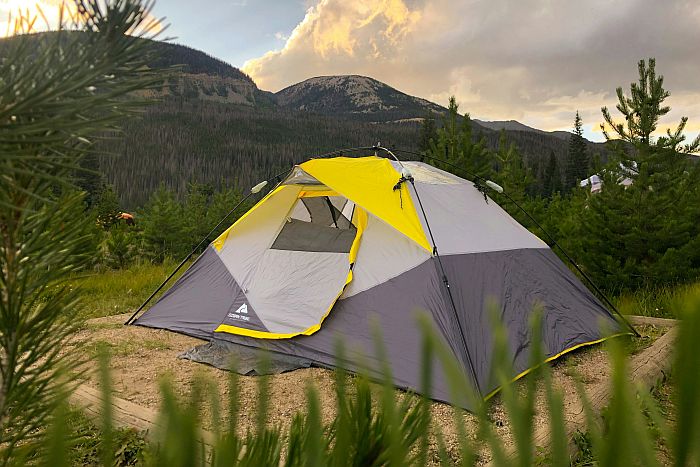
Shelter and sleep are the foundation of camping. When these fail, morale collapses fast.
Choosing the Right Tent
A tent is more than a sleeping enclosure. It is protection from wind, rain, insects, temperature swings, and ground moisture. Many campers choose tents based on size or price alone and ignore the factors that actually affect comfort.
Key tent considerations include:
- Season rating appropriate for your climate
- Full rainfly coverage instead of partial canopies
- Ventilation to manage condensation
- Interior space for people and gear, not just sleepers
A tent that feels “fine” during setup can feel claustrophobic during a storm when you’re stuck inside for hours.
Ground Protection Is Not Optional
A tent footprint or groundsheet protects the tent floor from abrasion and moisture. Even dry ground releases moisture overnight, and sharp debris can damage tent floors over time.
Skipping ground protection often leads to:
- Damp sleeping areas
- Increased condensation
- Premature tent wear
This is one of the cheapest ways to extend tent life and improve comfort.
Sleeping Bags: Understanding Temperature Ratings
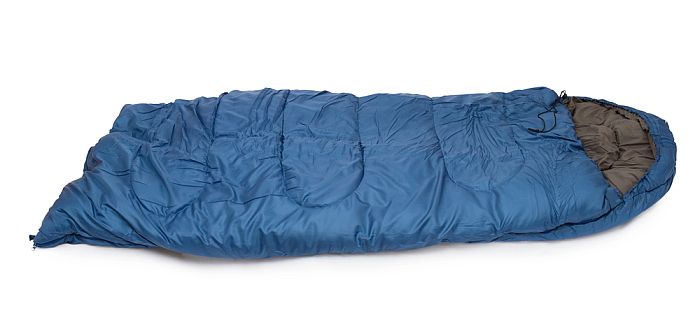
Sleeping bag ratings are commonly misunderstood. Most manufacturers list a survival rating, not a comfort rating. Sleeping at that temperature usually means being cold but not hypothermic.
A realistic rule is choosing a sleeping bag rated 10–15°F colder than expected conditions. Cold sleepers may need additional buffer.
Down bags compress smaller and weigh less, making them ideal for backpacking. Synthetic bags perform better when wet and are often more forgiving for beginners.
Sleeping Pads: Insulation Comes First
Sleeping pads are often mistaken as luxury items. In reality, they are critical insulation layers. Cold ground drains body heat faster than cold air.
Even the warmest sleeping bag loses effectiveness without insulation underneath. For shoulder-season or cold-weather camping, insulation rating matters far more than pad thickness.
Skipping a pad entirely is one of the most common beginner mistakes.
Cooking & Food Essentials: Consistency Beats Creativity
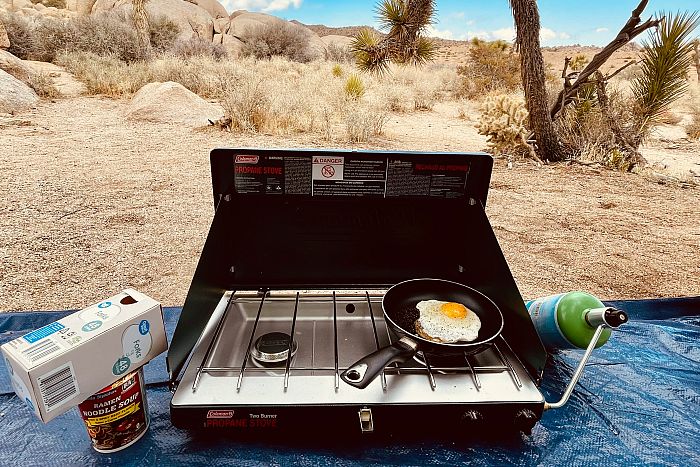
Camp cooking does not need to be elaborate. It needs to be reliable, efficient, and safe.
Camp Stoves and Fuel Planning
Camp stoves provide controlled heat regardless of fire bans or wet conditions. While campfires are enjoyable, they should never be relied on as the sole cooking method.
Important stove considerations:
- Fuel availability at your destination
- Stability on uneven surfaces
- Ease of ignition in wind or cold
- Cold-weather fuel efficiency
Fuel consumption increases dramatically in cold temperatures. Always bring more fuel than you think you’ll need.
Cookware That Actually Gets Used
As far as cookware, you do not need a full kitchen. One pot and one pan handle most camping meals. Lids improve efficiency and reduce fuel use.
Overpacking cookware leads to clutter and wasted space. Pack for the meals you plan to cook — nothing more.
Food Storage and Wildlife Awareness
Food storage is about safety as much as convenience. Improper storage attracts animals and can result in damaged gear, dangerous encounters, or campsite closures.
Coolers work well for short trips and car camping. Dry food should be sealed and stored securely. In some regions, bear-resistant storage is required by law.
Even crumbs matter in wildlife-heavy areas.
Water: The One Essential You Cannot Replace
Water is the most critical camping essential. Even campgrounds with spigots can experience outages.
- Large water jugs for base camps
- Filtration systems for natural sources
- Backup purification methods
Plan for more water than expected, especially in heat, at elevation, or with physical activity.
Clothing & Weather Protection: The Quiet Trip Killer
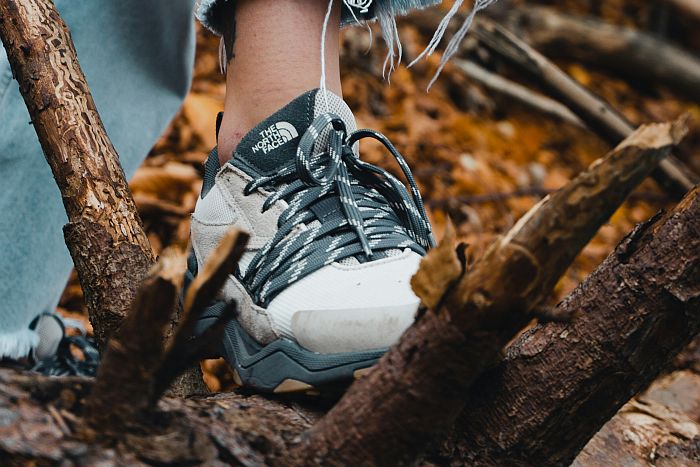
Bad clothing choices ruin more trips than bad campsites.
Layering for Real Conditions
Outdoor temperatures change rapidly. Layering allows you to adapt without bulky clothing.
- Moisture-wicking base layer
- Insulating mid-layer
- Windproof or waterproof outer layer
Cotton absorbs moisture and loses insulation when wet. In cool conditions, wet cotton accelerates heat loss.
Footwear and End-of-Day Comfort
Footwear should match terrain and activity. Blisters, wet feet, or poor traction can end hikes early or create safety risks.
Camp shoes provide relief after long days and help keep primary footwear dry.
Safety & Emergency Essentials: Gear You Hope to Ignore
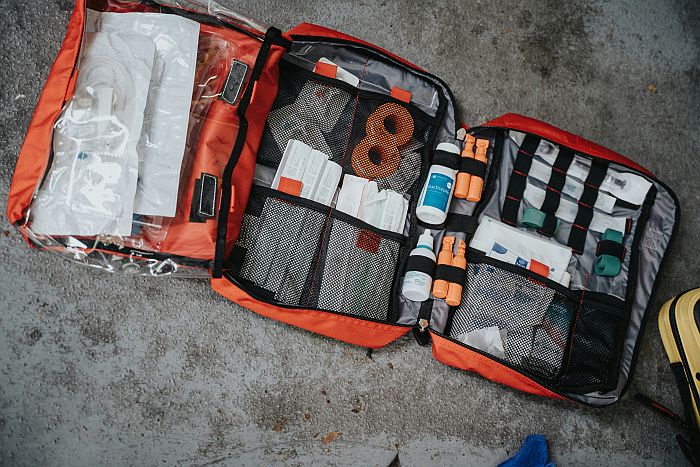
These items rarely get used — until they’re the most important things you packed.
Lighting and Visibility
Headlamps outperform flashlights for most tasks by keeping hands free. Darkness arrives quickly outdoors, especially in wooded areas.
Always carry spare batteries or a backup light source.
First Aid and Repairs
A basic first aid kit should handle:
- Cuts and scrapes
- Burns
- Blisters
- Minor sprains
Personal medications and trip-specific supplies should be added.
A small repair kit can fix torn tents, broken straps, and loose poles — issues that would otherwise end trips early.
Phones are helpful but unreliable without signal or battery life. Offline maps, GPS units, or paper backups provide redundancy.
Emergency whistles and locator devices add additional safety in remote areas.
Hygiene & Camp Cleanliness Essentials
Hygiene impacts comfort, health, and campsite sustainability.
- Toothbrush and minimal toiletries
- Hand sanitizer or biodegradable soap
- Small towel or wipes
- Toilet paper (even at developed sites)
Clean camps reduce illness, improve comfort, and minimize wildlife attraction.
Optional but Smart Camping Essentials
These items improve comfort without being critical for survival.
Camp chairs reduce fatigue. Lanterns provide ambient light. Power banks keep devices operational longer. Organization tools save time and reduce clutter.
Optional gear should earn its place by improving the experience — not just adding weight.
Camping Essentials by Camping Style
Beginners
Beginners benefit from forgiving gear and redundancy. Easy-setup tents, pre-packed kits, and extra layers reduce stress and mistakes.
Simple gear builds confidence.
Families
Families require space, flexibility, and backups. Larger shelters, extra lighting, spare clothing, and additional food prevent small issues from becoming meltdowns.
Cold Weather
Cold camping requires better insulation, more fuel, and careful moisture management. Cutting corners here can become dangerous quickly.
Car Camping
Car camping allows heavier, more comfortable gear. The challenge is avoiding overpacking and campsite clutter.
Camping Essentials Checklist (Quick Reference)
- Weather-appropriate shelter with ground protection
- Insulated sleep system
- Reliable cooking method and fuel
- Food and clean water
- Layered clothing system
- Lighting and first aid
Everything else supports these core needs.
Common Camping Packing Mistakes
- Overpacking non-essential gear
- Underestimating weather changes
- Skipping insulation
- Bringing too little water
- Relying solely on phones for navigation
Avoiding these mistakes improves comfort more than buying new gear.
Downloadable Checklist
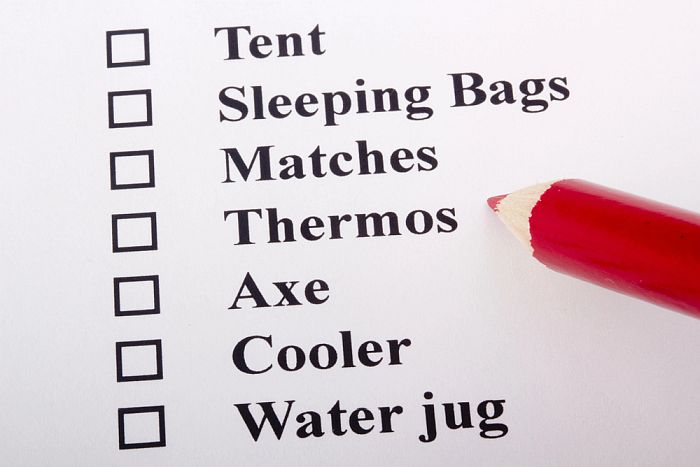
You don’t need to camp the same way everywhere, and you don’t need to overthink gear that doesn’t matter where you are. What actually makes a trip go smoothly is covering the basics, understanding the local context, and not creating problems for yourself or anyone else. Most camping headaches come from forgetting something simple — not from lacking the latest gadget.
That’s why a checklist still matters. Not as a rulebook, but as a quick sanity check before you leave. It helps make sure the essentials are covered so you can adapt the rest based on where you’re camping, who you’re with, and what conditions you expect.
If you want an easy way to double-check your setup before each trip, download the camping essentials checklist below. It’s designed to be practical, flexible, and usable to make sure you cover all the bases before you head out.

Camping Essentials Checklist
